Opinion Articles & News Commentary
Please Update your browser
Your browser is out of date, and may not be compatible with our website. A list of the most popular web browsers can be found below.
Just click on the icons to get to the download page.


Popular Reads
Top Results
No results found. Please check your search term and try again
Can't find what you're looking for?
View all search results
Popular Reads
Top Results
No results found. Please check your search term and try again
Can't find what you're looking for?
View all search results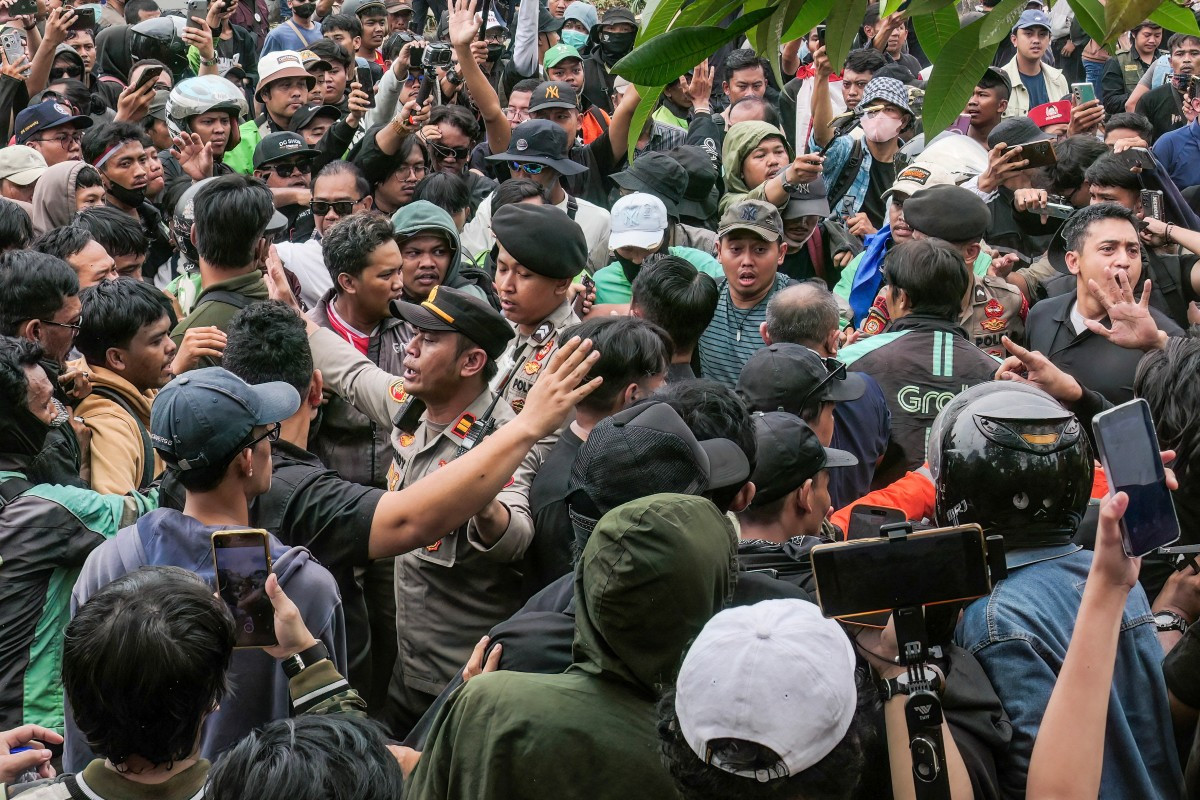
Academia
premium
The shield, the weapon, the decoy: Indonesia’s architecture of elite protection
The public has been handed a reform that was quietly rendered toothless months before its scheduled arrival.
1 day ago
Academia
premium
100 GW: new electrons for a new economy
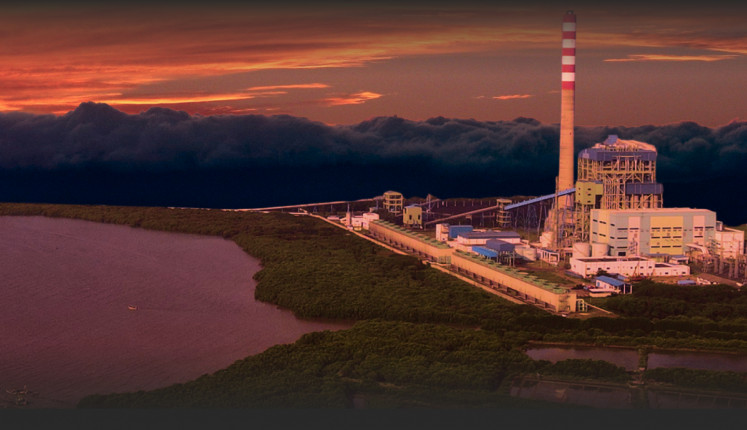
The 100-gigawatt solar ambition is no longer about hitting a target, it is about turning homegrown clean power into our next great economic engine. ...
1 day ago
Academia
premium
Calling drivers entrepreneurs won’t create better jobs
Rebranding gig drivers as "entrepreneurs" might polish government employment data, but no administrative label can turn precarious, low-productivity survival into a genuine path to prosperity. ...
1 day agoThe Latest
Academia
premium
Indonesia and China: Toward a more honest conversation
Closer relations present a moment to revisit whether the partnership has mutually benefited our peoples and contributed to the greater global public good amid such an unpredictable international environment.
2 days ago
Academia
premium
The UN cannot, and need not, wait for consensus
At the United Nations' 81st General Assembly, member states will be close to choosing the next secretary-general, who will immediately be confronted not only by many global crises, but also by the UN’s diminished finances.
2 days ago
Academia
premium
From arsenic to acid: Impunity and the retreat of civilian supremacy
From the poisoning of Munir to an acid attack left unpunished, Indonesia’s military justice system reveals a chilling truth: impunity isn’t a breakdown of the law, but a calculated display of power.
2 days ago
Academia
How obscure yttrium became a global flashpoint
This obscure member of the rare earths family is going to be high on the agenda when China's President Xi Jinping meets with United States President Donald Trump later this month in Washington.
1 day ago
Academia
premium
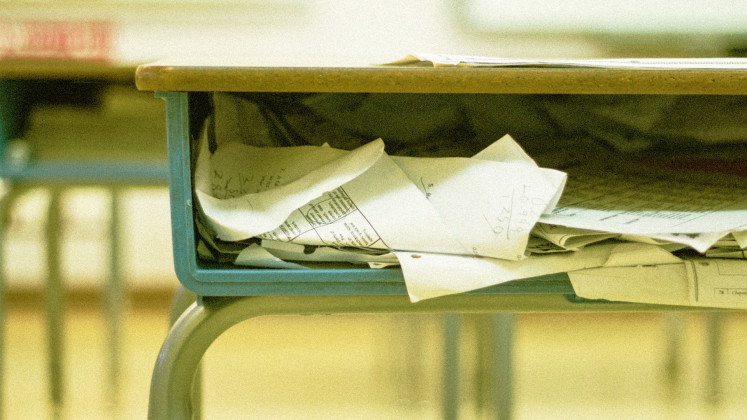
Reading the PISA scores and what should follow
The more useful question for Indonesia is why its students fall behind, and what can be done about it.
1 day ago
Academia
premium
Is Indonesia returning to fiscal orthodoxy?
The new finance minister may reassure nervous markets, but the real test begins when fiscal discipline inevitably collides with President Prabowo’s expansive political ambitions.
1 day ago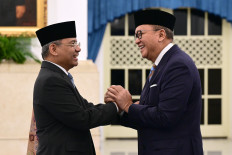
Academia
premium
Indonesia’s fiscal ambitions are too big for its finance ministers
Three finance ministers in less than two years proves Indonesia’s fiscal challenge isn’t about who manages the budget, but whether political ambition has finally outpaced economic reality.
3 days ago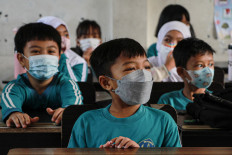
Academia
premium
Beyond arrests: Who is really responsible for the haze?
Smoke doesn’t stop at national borders, and accountability shouldn’t stop at the person holding the match.
3 days ago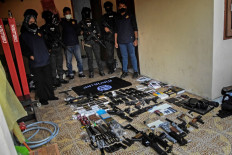
Academia
premium
When violence falls between the cracks
As youth violence shifts from organized terrorist dogma to decentralized digital subcultures, Southeast Asia must confront a new reality: how do you stop an impending attack when there is no ideology to deradicalize and no network to map?
3 days ago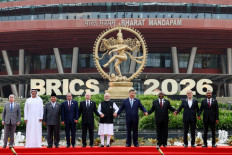
Academia
Why Russia is deepening ties across the Global South
The Ukraine war certainly featured in conversations. Tellingly, however, Putin steered many talks with leaders towards fuel, trade and transit.
2 days ago
Academia
premium
We know how to bring degraded land back to life
Restoring our degraded lands is no longer optional: It is a proven, high-return investment in our climate, economies and survival.
2 days ago
Academia
premium
Indonesia–Australia: Neighbors by geography, allies by necessity
Once built, trust has to be continuously nurtured to enable the two countries to contribute fully to the maintenance of peace and security in the region.
2 days ago
Academia
premium
Suahasil can restore budget credibility, but challenges remain
The new finance minister brings steady hands and deep institutional memory, but restoring fiscal credibility will mean making the hard choices his predecessor avoided.
4 days ago
Academia
premium
Chinese SMEs in Malaysia and ASEAN: Coming in fast and furious
As agile Chinese SMEs rapidly plant roots across Southeast Asia, Malaysia faces a high-stakes choice: harness their momentum to build a regional powerhouse, or watch its own businesses get crowded out.
4 days ago
Academia
premium
Democratic dilemma: Communist Vietnam outpaces Indonesia, Philippines
As Communist-led Vietnam laps Southeast Asia's sluggish democracies in growth and foreign capital, ordinary citizens in Jakarta and Manila are left asking an uncomfortable question: Does democracy actually hinder prosperity?
4 days ago
Academia
premium
A fractured world tests the limits of multilateralism
From Central Asia to the Pacific, sovereign states are proving that global rules cannot remain the exclusive playground of great powers.
3 days ago
Academia
The Red Sea crisis exposes BRICS’ deep divisions
Rapid expansion of the bloc means that its 21 members have deeply divergent interests, particularly in the Middle East.
3 days ago
Academia
premium
Twenty years on, BRICS faces a defining choice
Amid shifting global power dynamics and emerging economies seeking a stronger voice, a central issue for BRICS today is whether it should continue as an informal group or take steps toward becoming a formal organization.
3 days ago
Academia
premium
The Bayan valuation mystery: When markets need answers, not speculation
When a $26 billion giant is targeted for $4.8 billion, the real casualty isn’t price—it’s trust.
5 days ago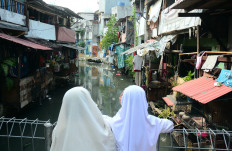
Academia
premium
Global development's missing ingredient
Faith-based institutions committed to human dignity and pluralism can play an instrumental role in building the infrastructure required for grassroots organizing at scale.
5 days ago
Academia
premium
Delhi's BRICS moment: A bite without teeth
New Delhi Declaration holds an 11-nation bloc together, but ducks the Middle East, and Washington breathes easy.
5 days ago
Academia
Malaysia’s election drums, political sums
Can Malaysia's UMNO pressure Prime Minister Anwar Ibrahim into calling for an early election?
4 days ago
Academia
Oil markets survived the Iran war sprint. Now comes the marathon
The Iran war is no longer a short-lived energy supply shock, but a prolonged, unpredictable test of global economic endurance.
4 days ago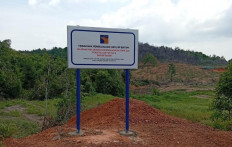
Academia
premium
The Land Bank paradox: For profit or justice?
Masked as agrarian reform, the national Land Bank is quietly dispossessing the rural poor to serve corporate profit, and a rushed new bill is about to make it permanent.
4 days ago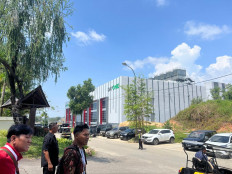
Academia
premium
Cyber resilience requires fixing Indonesia’s old tech
But a law that responds to cyber-attacks without addressing the governance conditions that made it so damaging will leave the country just as exposed.
6 days ago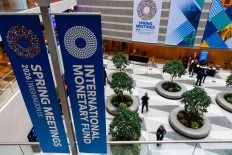
Academia
premium
The program redesign the IMF needs
As the IMF undertakes the first major evaluation of its guidelines for program design since 2019, it should focus on three features of its lending toward reform, given widespread debt distress in developing countries.
6 days ago
Academia
premium
The benefit of the doubt has expired
The government must urgently start turning its authority into results to fulfill the promises made to the people in 1945.
6 days agoPopular
- Not the Ministry of Magic
- PISA gains belie Indonesia’s persistent education crisis
- The benefit of the doubt has expired
- Suahasil seen to prioritize fiscal discipline, continuity
- Osama the gamer: A list of Bin Laden’s video games from his hard drive
- Saudi civil defense sends all-clear after alerts issued for capital Riyadh
- Indonesian Navy welcomes former Italian warship as its first aircraft carrier
- Prabowo skips UNGA as RI seeks to bridge divides
- Another 150 Indonesians deported from Malaysia to Batam
- Ed Sheeran struggles against Gaza tide