The Jakarta Post
Please Update your browser
Your browser is out of date, and may not be compatible with our website. A list of the most popular web browsers can be found below.
Just click on the icons to get to the download page.


Popular Reads
Top Results
No results found. Please check your search term and try again
Can't find what you're looking for?
View all search results
Popular Reads
Top Results
No results found. Please check your search term and try again
Can't find what you're looking for?
View all search resultsThe narratives for smart livable cities in post-COVID-19 era
For individual smart technologies to add up to smart city, innovations must be on a citywide scale.
Change text size
Gift Premium Articles
to Anyone
Share the best of The Jakarta Post with friends, family, or colleagues. As a subscriber, you can gift 3 to 5 articles each month that anyone can read—no subscription needed!
C
ities are home to most of the world population and where problems and solutions meet. They are centers of economic growth and innovation. However, the high concentration of people and economic activities in cities make them most vulnerable to various disasters, epidemics and pandemics.
In several countries, the COVID-19 pandemic emerged from the cities and spread to rural areas via periurban and transport corridors. In Southeast and South Asia, around 70 percent of all reported infections are in urban areas.
Further, cities consume much of the national electricity and account for more than 60 percent of global carbon emissions. National efforts to successfully limit global warming hinges on cities. As a result, the decisions made by the city mayors can have direct and immediate impact on the health of people and the planet – perhaps more than national or international policies.
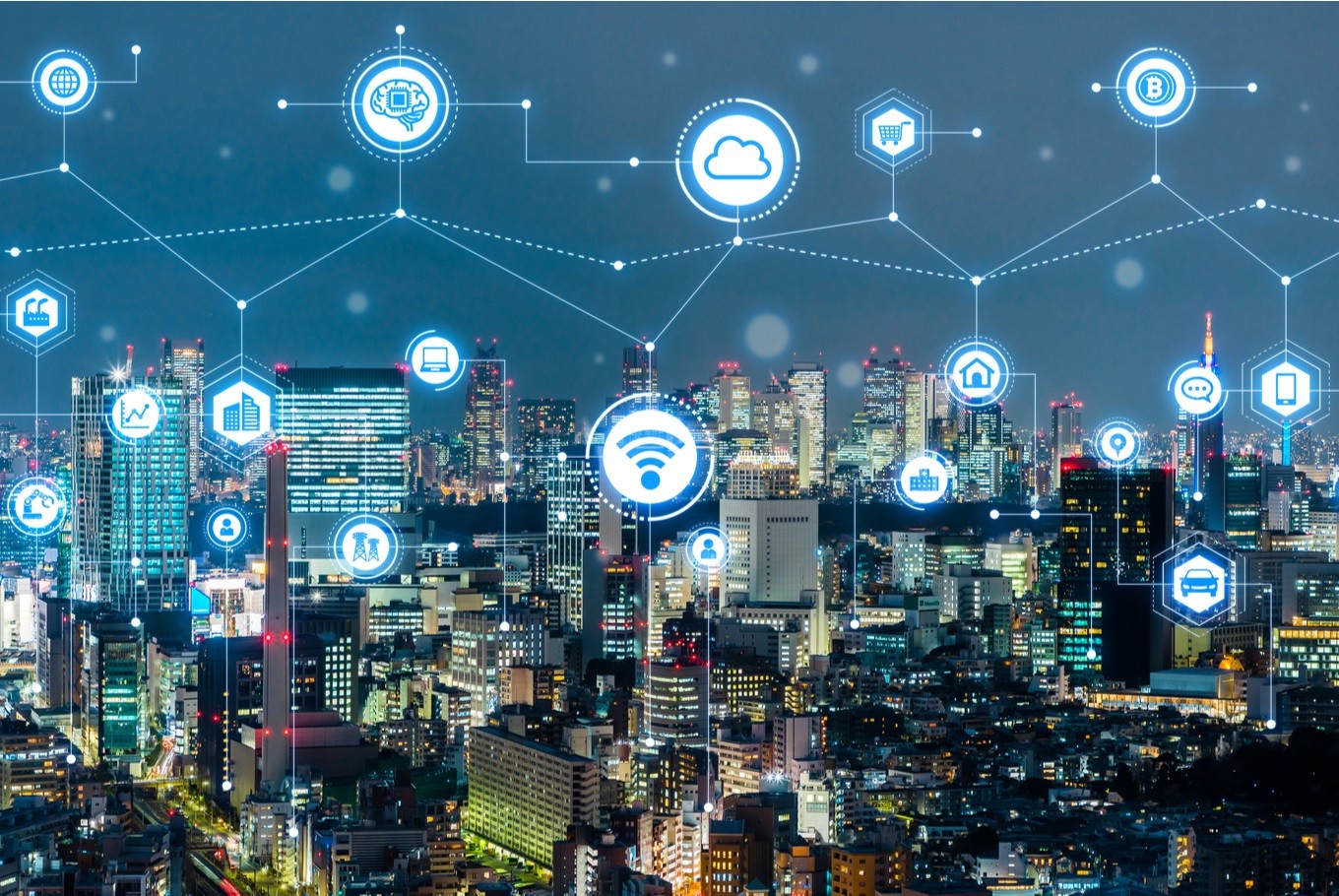
Around the world, smart cities have already demonstrated how a pro-active, coordinated response to the pandemic yields immediate results in terms of containing the virus and laying the foundations for long-term resilience and sustainability. A “smart city” is often defined as an innovative city that uses information and communication (ICT) technologies and other means to improve quality of life, efficiency of urban operation and services, and competitiveness, while ensuring that it meets the needs of present and future generations with respect to economic, social, and environmental aspects.
The ASEAN Smart City Network (ASCN) has been a platform with 26 cities collaborating with the private sector to apply the use of technology across public infrastructures. The pandemic has brought about opportunities for smart cities worldwide to adopt an agile approach.
While evidence of sustained impacts of national policies on economic resilience during the pandemic remain elusive, the role of smart cities in pandemic response has been three-fold. First, smart cities have been actively deploying a glut of digital technological solutions and innovative bottom-up approaches to drive greater economic resilience. For example, in Singapore, the government has recognized the importance of speeding up national level digitalization.
Smart facility management, internet of things, and surveillance have become the symbols of smart nation as they create advanced, safe, and livable urban environments despite times of pandemic. These smart city solutions have also doubled as preventive efforts to curb the viral contagion.