TheJakartaPost
Please Update your browser
Your browser is out of date, and may not be compatible with our website. A list of the most popular web browsers can be found below.
Just click on the icons to get to the download page.

Please Update your browser
Your browser is out of date, and may not be compatible with our website. A list of the most popular web browsers can be found below.
Just click on the icons to get to the download page.
Can't find what you're looking for?
View all search resultsCan't find what you're looking for?
View all search results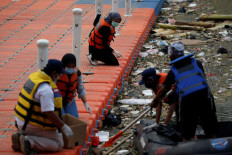
Indonesia is grappling with what health authorities have described as a “significant increase” in medical waste during the COVID-19 outbreak, with a shortage in processing facilities forcing the government to allow hospitals to burn their waste without license in times of emergency.
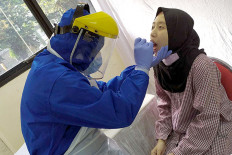
The rate of COVID-19 testing in Indonesia has dropped after the long weekend in late October, an occasion of increased mobility that many fear will lead to a case spike, while positivity rates remain persistently high despite Health Minister Terawan Agus Putranto's claims of expanded monitoring efforts.
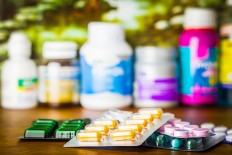
President Joko “Jokowi” Widodo has called for a total reform of the national health system that will include self-sufficiency in the pharmaceutical industry in a bid to build national resilience against the health and economic crisis caused by the COVID-19 pandemic.
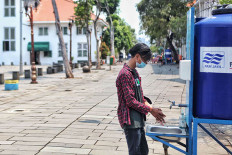
A survey by the United Nations International Children’s Fund (UNICEF) and Nielsen has found that only 31 percent of people in some big cities across Indonesia have thoroughly implemented the “3M” health protocols of mask-wearing, handwashing and physical distancing.