TheJakartaPost
Please Update your browser
Your browser is out of date, and may not be compatible with our website. A list of the most popular web browsers can be found below.
Just click on the icons to get to the download page.

Please Update your browser
Your browser is out of date, and may not be compatible with our website. A list of the most popular web browsers can be found below.
Just click on the icons to get to the download page.
Can't find what you're looking for?
View all search resultsCan't find what you're looking for?
View all search results
The newly passed Criminal Code (KUHP) has faced a groundswell of criticism at home and abroad, with the United States and Australia warning that some clauses could frighten off investors and tourists and the United Nations condemning elements of the law as “incompatible with fundamental freedoms and human rights”.

Ostensibly, even though the Indonesian criminal-reform bill is radical and goes against many of the values of freedom of speech and liberty venerated by many Indonesians, it is still not enough for the extremists, who want more and harsher punishments for immorality/deviant behavior.
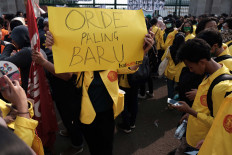
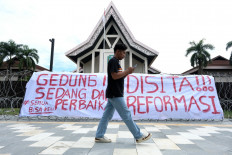
Civil society groups are planning street protests and considering civil disobedience to compel policymakers to repeal the newly passed Criminal Code (KUHP) amid dwindling trust in the Constitutional Court, currently the only legal avenue to alter the highly controversial legislation.
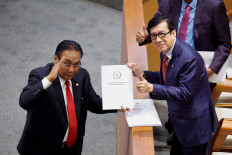
Lawmakers passed a revised Criminal Code on Tuesday morning that critics say dilutes antigraft rules and civil liberties, after insisting that they had taken public opinion into account despite civil society protests to the contrary.
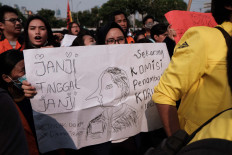
Among the most controversial revisions to the code are articles that would penalise sex outside of marriage with up to one year in jail andprohibit cohabitation between unmarried couples. Insulting the president and spreading views counter to the secular national ideology, the Pancasila, will also be outlawed.
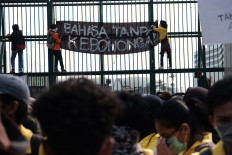
Lawmakers are pressing ahead with plans to pass a revised Criminal Code on Tuesday that would dilute antigraft rules and civil liberties, insisting that they have taken public opinion into account despite civil society protests to the contrary.