The Jakarta Post
Please Update your browser
Your browser is out of date, and may not be compatible with our website. A list of the most popular web browsers can be found below.
Just click on the icons to get to the download page.


Popular Reads
Top Results
No results found. Please check your search term and try again
Can't find what you're looking for?
View all search results
Popular Reads
Top Results
No results found. Please check your search term and try again
Can't find what you're looking for?
View all search resultsair-pollution
Environment 1 year ago
PREMIUM
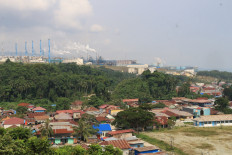
Choking hazard: How North Maluku nickel industry suffocates local villagers
Widely hailed as a critical mineral that helps push the energy transition, the mining and processing of nickel in Central Halmahera regency, North Maluku, brings distress to people living around the mineral’s industrial park.
Jakarta 1 year ago
PREMIUM
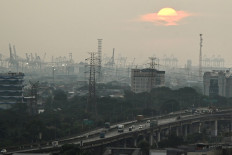
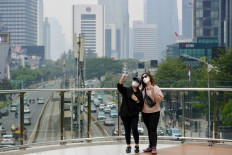
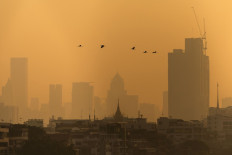
Air quality worsens in Greater Jakarta as govt yet to curb pollution
Worsening air quality in Greater Jakarta has brought to light the government’s unfulfilled responsibility to ensure citizens’ right to clean air and to curb emissions from coal-fired power plants and motor vehicles.
Jakarta 1 year ago
PREMIUM
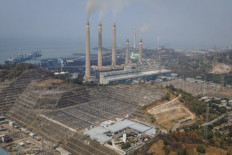
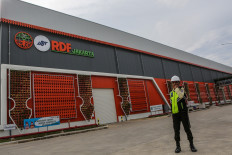
Pressure piles on North Jakarta waste-to-fuel following release of foul fumes
The Jakarta administration and the operator of the refuse-derived fuel (RDF) plant in Rorotan, North Jakarta, will install facilities such as deodorizers and air quality monitoring stations to prevent foul odors coming from the plant.
Society 1 year ago
PREMIUM
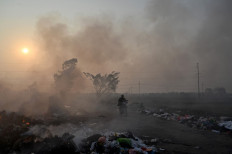
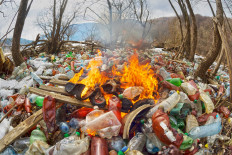
Illicit waste burning reaches alarming rate of 48% Indonesian households
A global report on household waste management has singled out Indonesia, where nearly half of all households nationwide burn their garbage, with lack of public waste services compounding the sanitation, health and environmental issue.
Academia 2 years ago
PREMIUM
A call for Indonesia to take action on ground-level ozone
A recent study highlighting the transboundary nature of ozone pollution shows that this is a global environemntal and health issue, and Indonesia is in a unique position to take the lead in this collective endeavor to ensure cleaner air and better health for all.
Editor's Picks
Popular
- Much ado about asset forfeiture
- Mass poisonings cast doubt on free meals reforms
- New data rules could unlock cross-border data flows
- The benefit of the doubt has expired
- Children are no longer the priority, were they ever?
- Rescuers searching for 140 people from passenger ship in Java Sea
- Three more volcanoes erupt following Sinabung, Anak Krakatau
- SOE dividend grab tests Danantara’s mandate
- BRICS nations call for 'maximum restraint' in Middle East war
- Indonesia, China eye cooperation to boost 3 million homes program


