The Jakarta Post
Please Update your browser
Your browser is out of date, and may not be compatible with our website. A list of the most popular web browsers can be found below.
Just click on the icons to get to the download page.


Popular Reads
Top Results
No results found. Please check your search term and try again
Can't find what you're looking for?
View all search results
Popular Reads
Top Results
No results found. Please check your search term and try again
Can't find what you're looking for?
View all search resultsbiodiversity

Academia 2 years ago
PREMIUM
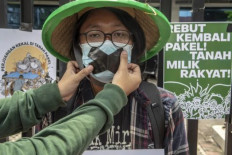
Southeast Asia, an unfriendly region for environmental defenders
Defending the environment is a precarious occupation in Southeast Asia, where kidnapping and abuse against human rights activists across all fields is as commonplace as businesses flouting environmental protections, often in cahoots with law enforcement.

Companies 2 years ago
PREMIUM
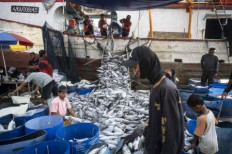
Unlocking potential of nature-based solutions in Indonesia
Adopting nature-based solutions in a holistic, collaborative manner among government, businesses and communities across the archipelago will unlock a whole host of economic, social and environmental benefits toward Indonesia's future resilience and sustainability.

Academia 2 years ago
PREMIUM
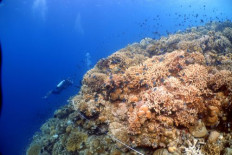
End the financial system that fuels the planet's destruction
Governments subsidize and incentivize environmental destruction through direct payments, tax breaks, and cheap loans to corporations that clear-cut, overfish, pollute and destabilize the climate through fossil fuel emissions.

Academia 2 years ago
PREMIUM
Ocean biodiversity: The writing's on the wall and we need to act fast
As an archipelagic state, Indonesia needs to take a direct lead in protecting marine areas in the high seas by ratifying the United Nation’s BBNJ Agreement and incorporating its management as part of its Vision 2045.
Academia 2 years ago
Asia-Pacific’s alarming loss of biodiversity – a hidden threat to food security, habitat
We all need to wake up to this urgent need to better protect Asia-Pacific’s biodiversity, for the good of ourselves, our food security and nutritional health, our environment, and to safeguard those of our future generations.
Editor's Picks
Popular
- PISA gains belie Indonesia’s persistent education crisis
- Not the Ministry of Magic
- Suahasil seen to prioritize fiscal discipline, continuity
- The benefit of the doubt has expired
- Hundreds of flights cancelled as Typhoon Dujuan nears Japan
- Court decision tightens House oversight on free meals funding
- 3% deficit cap revision puts Indonesia’s fiscal credibility at risk
- Saudi-led coalition says Houthis fired ballistic missile at Riyadh
- Osama the gamer: A list of Bin Laden’s video games from his hard drive
- Police probe kidnapping, murder of Ukrainian tourist in Bali


