The Jakarta Post
Please Update your browser
Your browser is out of date, and may not be compatible with our website. A list of the most popular web browsers can be found below.
Just click on the icons to get to the download page.


Popular Reads
Top Results
No results found. Please check your search term and try again
Can't find what you're looking for?
View all search results
Popular Reads
Top Results
No results found. Please check your search term and try again
Can't find what you're looking for?
View all search resultsgreen-space
City 6 years ago
PREMIUM
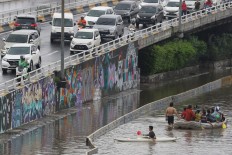
City of concrete: Jakarta’s green space turned into malls, offices, apartments
Now, traces of their green past are only reflected in the names of such places, such as Rawa Belong (rawa literally means swamp), Rawamangun, Taman Anggrek (Orchid Park) and so on, rather than their actual condition today.
City 6 years ago
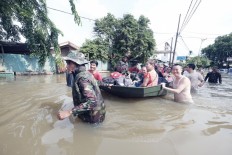
Despite regulations, Jakarta homeowners concrete over green spaces
Jakarta is a concrete jungle with almost 90 percent of its area built over, leaving only 10 percent for green space, a leading cause of flooding in the capital. While the blame is often put on skyscrapers and business districts, residential areas are not entirely free from the problem.
City 6 years ago
PREMIUM
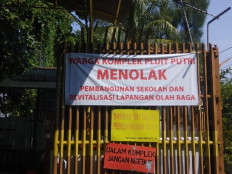
Private school reports residents in land dispute to police
PT Jakarta Utilitas Propertindo (JUP), a subsidiary of city-owned developer Jakarta Propertindo (Jakpro), plans to build a three-story building for the private Bina Tunas Bangsa (BTB) school on the 3,999-square-meter lot, which Jakpro claims to legally own.
City 6 years ago
PREMIUM
Rapid development in Depok takes heavy toll on green space
This year, Depok recorded 3,732 hectares of designated green space, or 18.63 percent of the city’s total 20,029 ha of land. The area has decreased significantly from the 10,106 hectares recorded in 2005 due to the city’s rapid development.

City 6 years ago
PREMIUM
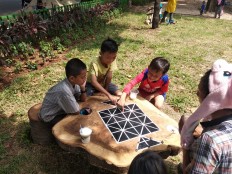
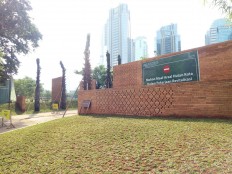
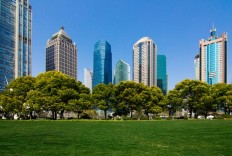
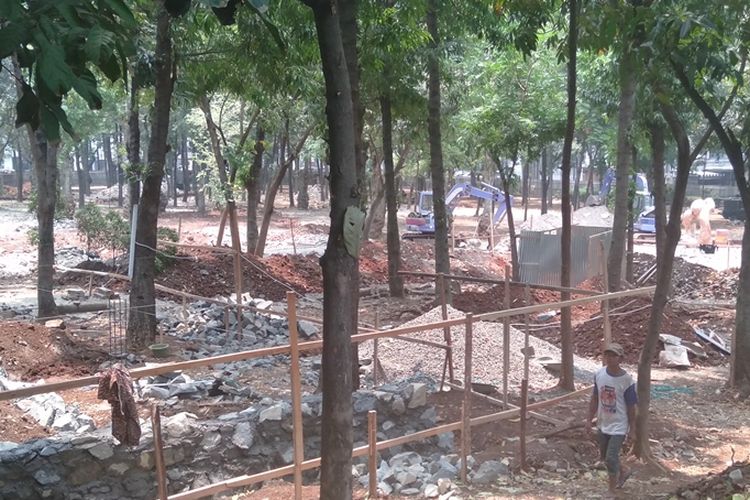
Amid shortage of land, Jakarta eyes more green spaces
A lack of available land has long been a stumbling block for the administration as it works to meet a stipulation set in the 2007 Spatial Planning Law that requires the city to reserve 30 percent of its total area for green spaces.
Editor's Picks
Popular
- Much ado about asset forfeiture
- Mass poisonings cast doubt on free meals reforms
- New data rules could unlock cross-border data flows
- Children are no longer the priority, were they ever?
- Three more volcanoes erupt following Sinabung, Anak Krakatau
- Indonesia, Hong Kong to host new 14-team FIFA ASEAN Cup
- Haze drives surge in respiratory illnesses in Indonesia
- Trump says he would be OK with China building cars in US
- Assessing the merit of the strategic commodities bill
- Modi, Putin seek stronger ties as Russia calls for BRICS to counter West


