TheJakartaPost
Please Update your browser
Your browser is out of date, and may not be compatible with our website. A list of the most popular web browsers can be found below.
Just click on the icons to get to the download page.


Popular Reads
Top Results
No results found. Please check your search term and try again
Can't find what you're looking for?
View all search results
Popular Reads
Top Results
No results found. Please check your search term and try again
Can't find what you're looking for?
View all search resultsPrice rises expected ahead of Christmas: Official
Prices of food and other basic needs will likely rise ahead of the Christmas and New Year holidays, but the increases are expected not to exceed 10 percent on average, a trade official says
Change text size
Gift Premium Articles
to Anyone
Share the best of The Jakarta Post with friends, family, or colleagues. As a subscriber, you can gift 3 to 5 articles each month that anyone can read—no subscription needed!

P
rices of food and other basic needs will likely rise ahead of the Christmas and New Year holidays, but the increases are expected not to exceed 10 percent on average, a trade official says.
"During Idul Fitri we saw an average price increase of 10 percent. We hope (the rise of prices ahead of) Christmas won't be more than that, but still, it will depend on supply and demand," director general for domestic trade at the Trade Ministry, Subagyo, said Friday.
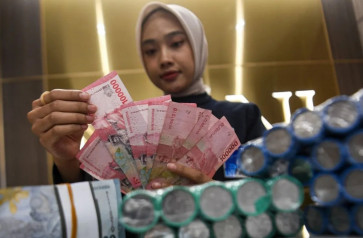
Traditionally, private consumption in Indonesia rises as people spend more during the Islamic fasting month of Ramadan, the Idul Fitri holidays and the lead up to Christmas and the New Year.
During those periods, it is common for the prices of rice, vegetables, flour, meat and cooking oil to increase as people buy the commodities in larger quantities.
Inflation, which measures consumer price index, in September reached a higher-than-forecast rate of 0.97 percent, with consumer prices rising on high demand during the fasting month and ahead of the Idul Fitri holiday.
In anticipation of increased demand, the ministry requested producers and distributors to increase their stockpiles of basic goods before the holiday period.
"A month before Ramadan, we requested that they (producers and suppliers) prepare their stocks for increased consumption during the consecutive holidays of Idul Fitri, Christmas and the New Year," he said.
The ministry will carry out regular market inspections to survey prices.
With the inflation rate for the first 10 months of the year at 10.96 percent, the Central Statistics Agency (BPS) estimates full-year inflation will not exceed 12 percent, regardless of estimated price spikes in the holiday period.
The central bank has predicted inflation will reach between 11.5 and 12.5 percent by the end of the year.
A low rate of inflation would benefit the country as it would prompt the central bank to lower its interest rate, thus encouraging borrowing and other economic activities. (hwa)