TheJakartaPost
Please Update your browser
Your browser is out of date, and may not be compatible with our website. A list of the most popular web browsers can be found below.
Just click on the icons to get to the download page.


Popular Reads
Top Results
No results found. Please check your search term and try again
Can't find what you're looking for?
View all search results
Popular Reads
Top Results
No results found. Please check your search term and try again
Can't find what you're looking for?
View all search resultsArchaeologists find Neolithic remains in Nile Delta
Change text size
Gift Premium Articles
to Anyone
Share the best of The Jakarta Post with friends, family, or colleagues. As a subscriber, you can gift 3 to 5 articles each month that anyone can read—no subscription needed!
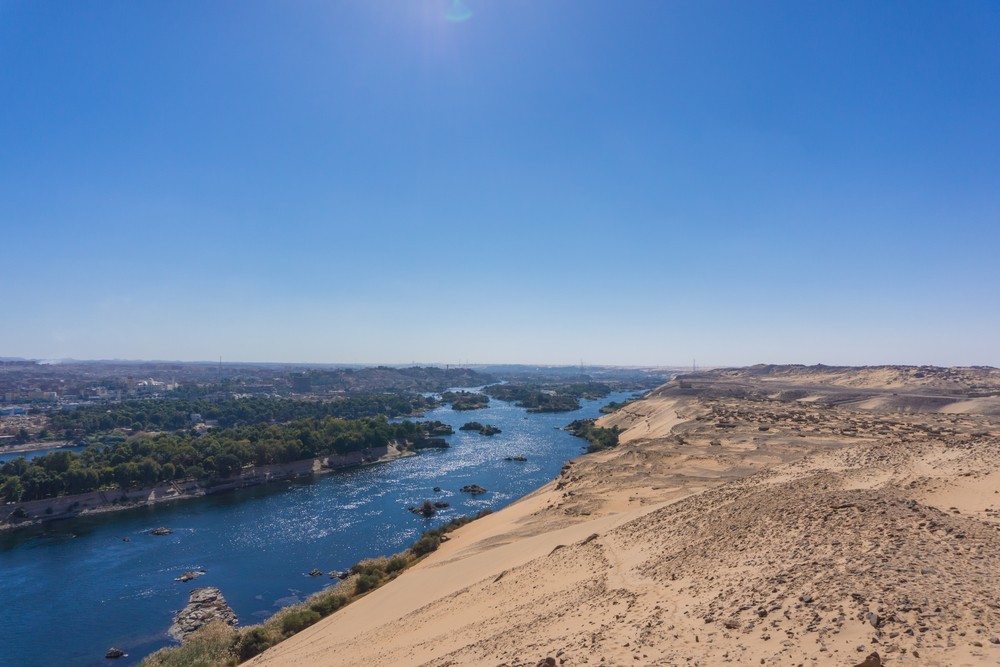 Rain-based Neolithic farming may hold vital clues to a technological leap that led to irrigation-based farming along the Nile (pictured). (Shutterstock/File)
Archaeologists in Egypt say they have found one of the oldest-known villages in the Nile Delta dating back to the Neolithic era.
A joint Egyptian and French mission discovered several storage silos containing large quantities of animal and plant remains, as well as pottery and stone tools, the antiquities ministry said in a statement on Sunday.
The ministry said the find indicates that humans inhabited the fertile Tell al-Samara, in the northern province of El-Dakahlia, as early as the fifth millennium BC, far predating Egypt’s oldest known pyramid.

Read also: Singapore risks destroying past in race to build: Top archaeologist
“Analyzing the biological material that has been discovered will present us with a clearer view of the first communities that settled in the Delta and the origins of agriculture and farming in Egypt,” said Nadia Khedr, a ministry official responsible for Egyptian, Greek and Roman antiquities on the Mediterranean.
Rain-based Neolithic farming may hold vital clues to a technological leap that led to irrigation-based farming along the Nile.