The Jakarta Post
Please Update your browser
Your browser is out of date, and may not be compatible with our website. A list of the most popular web browsers can be found below.
Just click on the icons to get to the download page.


Popular Reads
Top Results
No results found. Please check your search term and try again
Can't find what you're looking for?
View all search results
Popular Reads
Top Results
No results found. Please check your search term and try again
Can't find what you're looking for?
View all search resultsNontariff barriers disadvantage poor people
Indonesia has 433 nontariff measures related to food imports, which include quantitative restriction or quota, sanitary standards and inspection before shipment in the exporting country.
Change text size
Gift Premium Articles
to Anyone
Share the best of The Jakarta Post with friends, family, or colleagues. As a subscriber, you can gift 3 to 5 articles each month that anyone can read—no subscription needed!
 Set as preferred source
I
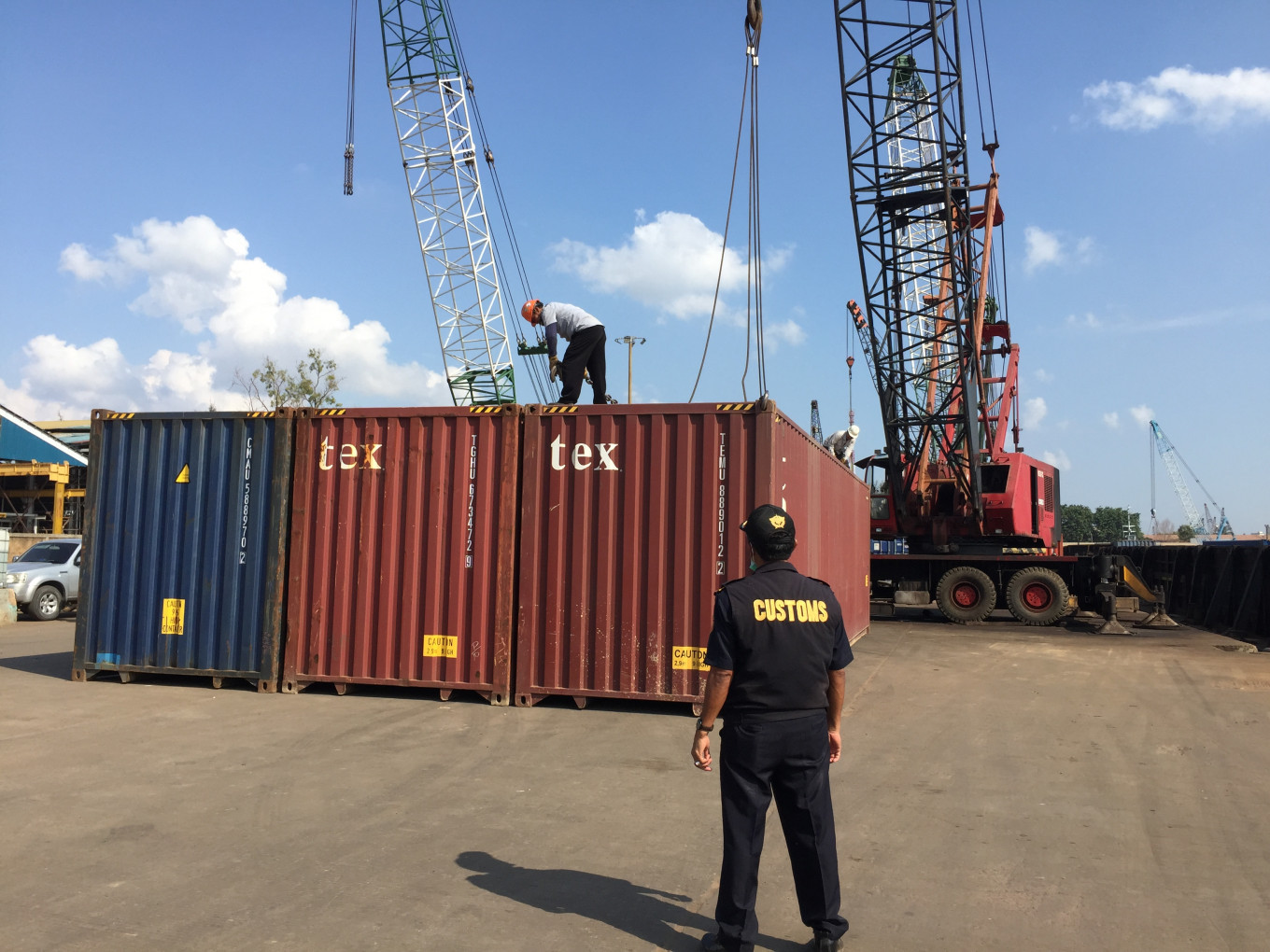
ndonesia’s nontariff barriers on food imports may limit the accessibility and affordability of nutritious foods, which have become increasingly important for poor communities amid the COVID-19 pandemic, a think tank has said.
Indonesia has 433 nontariff measures related to food imports, which include quantitative restriction or quota, sanitary standards and inspection before shipment in the exporting country, according to data compiled by the Center for Indonesian Policy Studies (CIPS).
Beef imports, for example, need 11 administrative requirements and four technical requirements just to get a recommendation from the Agriculture Ministry, the first of six steps in a long process.
“With this, now our beef prices are significantly higher than international prices, which makes it harder for people, especially those with lower incomes, to afford beef,” CIPS head of research Felippa Amanta said in a virtual discussion on Thursday.
While the government aims to reduce food imports, the average price of beef in Indonesia stood above Rp 100,000 (US$6.93) per kilogram in October 2019, while the global average was slightly lower than Rp 80,000 per kg, according to data compiled by CIPS.
The COVID-19 pandemic has upended the country’s economy this year, with the government expecting full-year growth to reach only 1 percent under a baseline scenario or contract by 0.4 percent under a worst-case scenario. On top of an estimated 3 million job loss as of May, the government predicts up to 5.5 million workers could lose their jobs, while 4 million could fall below the poverty line.
With the possibility of worsening poverty this year due to the health crisis, eliminating nontariff barriers to minimize price hikes may help Indonesians maintain a sufficient food intake, especially for import-dependent commodities, CIPS stated.