The Jakarta Post
Please Update your browser
Your browser is out of date, and may not be compatible with our website. A list of the most popular web browsers can be found below.
Just click on the icons to get to the download page.


Popular Reads
Top Results
No results found. Please check your search term and try again
Can't find what you're looking for?
View all search results
Popular Reads
Top Results
No results found. Please check your search term and try again
Can't find what you're looking for?
View all search resultsUlemas can save children if they prioritize saving lives
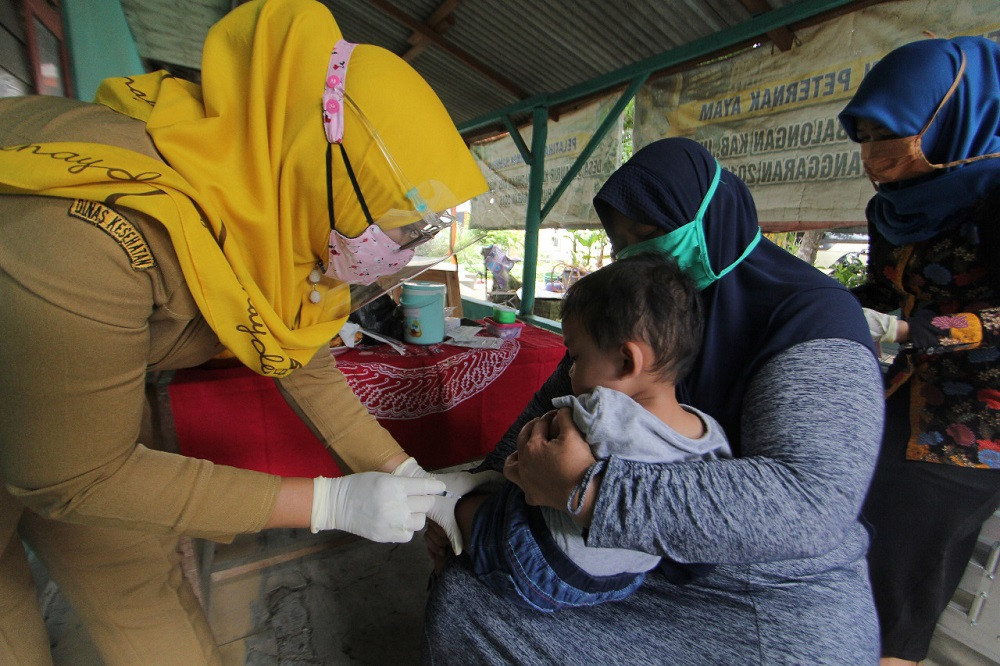
Health authorities have assured parents that vaccinating their children is safe, as protocols are in place to prevent the transmission of COVID-19.
Change text size
Gift Premium Articles
to Anyone
Share the best of The Jakarta Post with friends, family, or colleagues. As a subscriber, you can gift 3 to 5 articles each month that anyone can read—no subscription needed!
 Set as preferred source
T
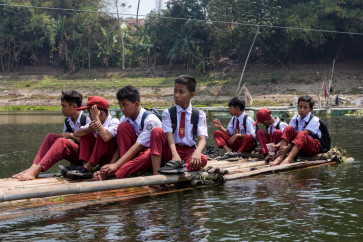
he new semester has begun amid a continuing controversy over reopening schools. While educators fret about the risks of a prolonged interruption of in-person studies, others worry about a worsening gap in access to education. Some teachers have been visiting students in their homes to assist those with limited access to the internet, but they are potentially exposing themselves and their students to COVID-19.
The pandemic has contributed to a rise in preventable diseases among infants because of a decline in immunization coverage. In the 1970s, mandatory vaccinations became routine at schools and health centers in the nation. Then, decentralization as a result of democratic reforms, a louder conservative movement and “anti-vaxers” were all blamed for lower coverage. Now, I worry about my grandkids’ exposure to vaccine-preventable diseases.
As World Health Organization director general Tedros Adhanom Ghebreyesus said, “The avoidable suffering and death caused by children missing out on routine immunizations could be far greater than COVID-19 itself.”
The long-term effects of measles, for instance, can include swelling of the brain, leading to convulsions and sometimes death. While the threshold of herd immunity for basic childhood vaccines is 95 percent coverage, the Health Ministry reported last year that 96 regencies and cities had coverage rates between 60 to 80 percent, and 40 others had coverage rates under 60 percent.
Health authorities have assured parents that vaccinating their children is safe, as protocols are in place to prevent the transmission of COVID-19. But as demonstrated by the family planning program, nationwide vaccination needs to be in sync with central and local bureaucracies, religious authorities and informal community organizations.
Nowadays even more intensive efforts are needed to stabilize disrupted vaccination programs as louder anti-vaccine groups raise dubious claims about harmful side-effects of vaccination and religious leaders seek to save the devout.
In 2018, Acehnese ulema council (MPU) officials requested that the measles and rubella (MR) vaccination program be delayed pending a fatwa from the Indonesian Ulema Council (MUI) to establish its halal status. Similar to the 2016 fatwa allowing vaccines with haram content in emergencies until a halal vaccine was discovered and made available, the MUI ruled that although the MR vaccine from India contained porcine enzyme, which is considered haram, it was permissible (mubah).