TheJakartaPost
Please Update your browser
Your browser is out of date, and may not be compatible with our website. A list of the most popular web browsers can be found below.
Just click on the icons to get to the download page.


Popular Reads
Top Results
No results found. Please check your search term and try again
Can't find what you're looking for?
View all search results
Popular Reads
Top Results
No results found. Please check your search term and try again
Can't find what you're looking for?
View all search resultsDemocracy’s slippery slope
There are big problems with direct regional head elections, but we need to fix them instead of dropping the elections altogether.
Change text size
Gift Premium Articles
to Anyone
Share the best of The Jakarta Post with friends, family, or colleagues. As a subscriber, you can gift 3 to 5 articles each month that anyone can read—no subscription needed!
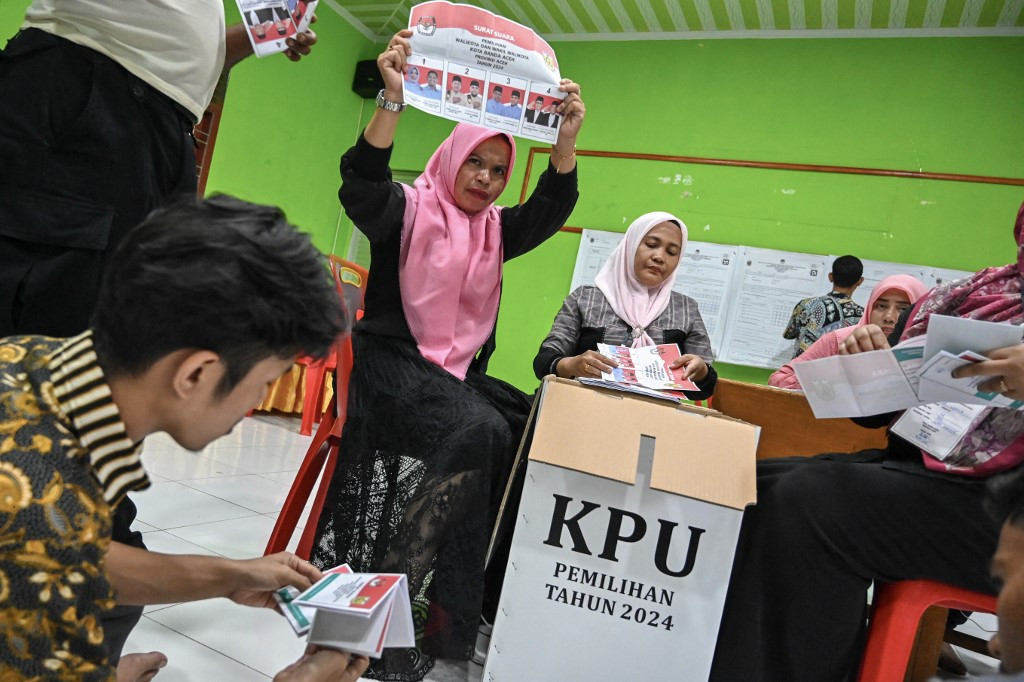 Poll workers count ballots at a polling station on Nov. 27, 2024, in Banda Aceh, Aceh, after voters cast their votes to pick local leaders in the country's biggest simultaneous regional election. More than 200 million people were eligible to vote to choose dozens of governors and mayors and 415 regents. (AFP/Chaideer Mahyuddin)
A
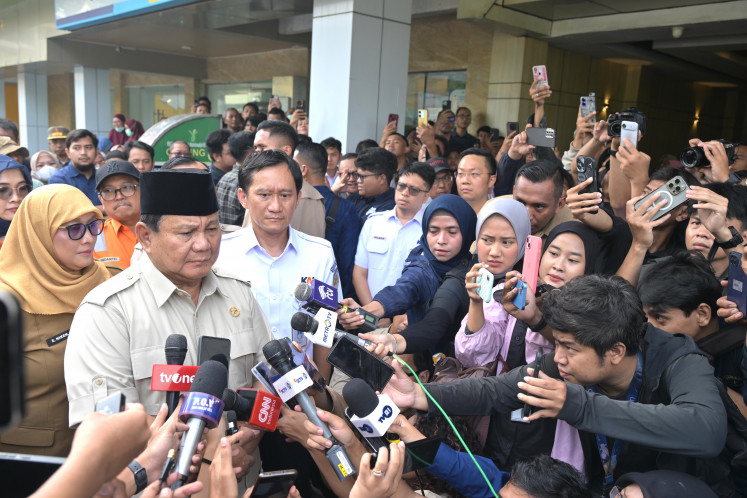
head of a planned sweeping revision to election rules at the legislature next year, President Prabowo Subianto and the Golkar Party have once again raised the controversial idea of scrapping direct regional head elections, a hard-won feature of the democratic process which emerged from the bloody reform movement of 1998.
They said letting regional legislatures (DPRDs) choose regional heads on behalf of the people might offer a more affordable approach while maintaining democratic principles. They were just rehashing the same arguments about how direct elections are costly for both candidates and the state and how they produce corrupt governors, mayors or regents.
These reasons are unconvincing. They do not justify robbing people of their right to choose their regional leaders when it is actually the political parties that tend to cause the high costs in elections because of transactional politics and unaccountable nomination process.
And while corruption is certainly detrimental to the economy and welfare of the people, it is not exclusive to regional heads. Corruption in fact remains endemic across all branches of government at the central and regional levels, and the private sector.
Regional heads are among the usual suspects who Corruption Eradication Commission (KPK) have investigated. From 2004 to 2025, the KPK arrested 201 regional heads, 485 businesspeople, 443 high-ranking civil servants and 364 politicians in the national and regional levels for embezzling state funds, accepting bribes and committing other white collar crimes.
Direct elections for regional heads have been in place since 2005 as part of the political reforms and decentralization process instituted after the fall of dictator Soeharto, former father-in-law of Prabowo, in 1998.

There is also a contentious idea floated by political parties to drop the prevailing open-list voting system for legislative elections, a proposal which essentially will also distance people from meaningful participation in the democratic process. The idea came despite a 2023 Constitutional Court ruling that previously upheld the open-list electoral system.