TheJakartaPost
Please Update your browser
Your browser is out of date, and may not be compatible with our website. A list of the most popular web browsers can be found below.
Just click on the icons to get to the download page.


Popular Reads
Top Results
No results found. Please check your search term and try again
Can't find what you're looking for?
View all search results
Popular Reads
Top Results
No results found. Please check your search term and try again
Can't find what you're looking for?
View all search resultsK-drama lessons I’ve applied to real-life relationships
Contrary to popular stereotypes, I don’t find K-drama shallow at all. Some dramas I’ve watched touch upon so many contemporary issues like domestic violence, crime and family conflicts while exploring the nature of human relationships through these issues.
Change text size
Gift Premium Articles
to Anyone
Share the best of The Jakarta Post with friends, family, or colleagues. As a subscriber, you can gift 3 to 5 articles each month that anyone can read—no subscription needed!

A
lot of people I’ve met underestimate South Korean drama (or K-drama). A colleague of mine said that these TV dramas were too shallow and focused on weak female characters trapped in a melancholic, melodramatic love life.
Someone else once said, “My friend is such a bucin [budak cinta, or slave to love] and she’s very delusional about her love object. Must be because she watched too much K-drama!”
Romantic issues aside, I’ve also heard other people say the following about K-drama: “Oh my, the actors and actresses look the same. I can’t remember who’s who.”
Contrary to popular stereotypes, I don’t find K-drama shallow at all. Some dramas I’ve watched touch upon so many contemporary issues like domestic violence, crime and family conflicts while exploring the nature of human relationships through these issues.
I have learned so many important life lessons from K-drama, especially about human relationships. Some of these are very applicable in real life, from individual family matters to living as a member of society.
These lessons are extremely timely now during the COVID-19 pandemic, when all of us are staying longer at home with our family members.
One such interpersonal lesson I’ve received is from Dear My Friends (2016).
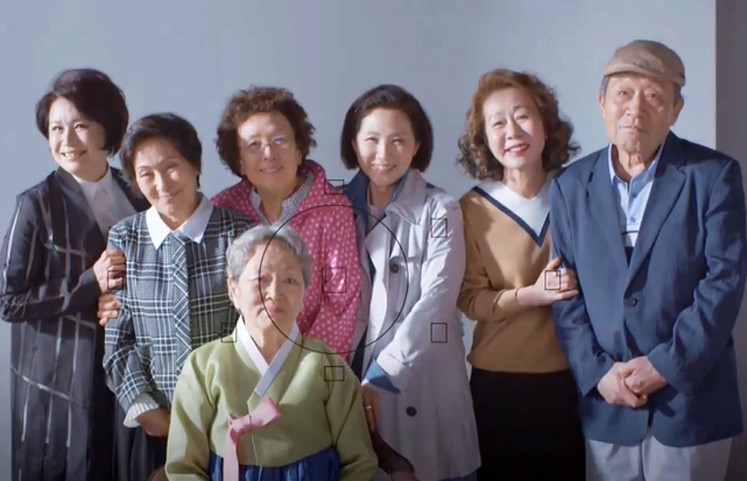
Park Wan is a woman in her 30s whose mother asks her to interview the mother’s friends and write a memoir. Park refuses, as she finds her mother’s friends unbearable: they are loud and simply difficult. Kim Seok-gyun is perhaps the most unbearable among these friends: The old man is grumpy, mean and even verbally abusive.
I really despised his character in the beginning for how horribly he treated his own family. Yet, as the story progressed, I began to empathize with Kim. It turns out that he had unknowingly sacrificed many things for his family and that he actually loves his family, although he might not necessarily know how to express this love in a tender way, as he is held hostage by his own bitterness. (No worries, no spoilers here!)
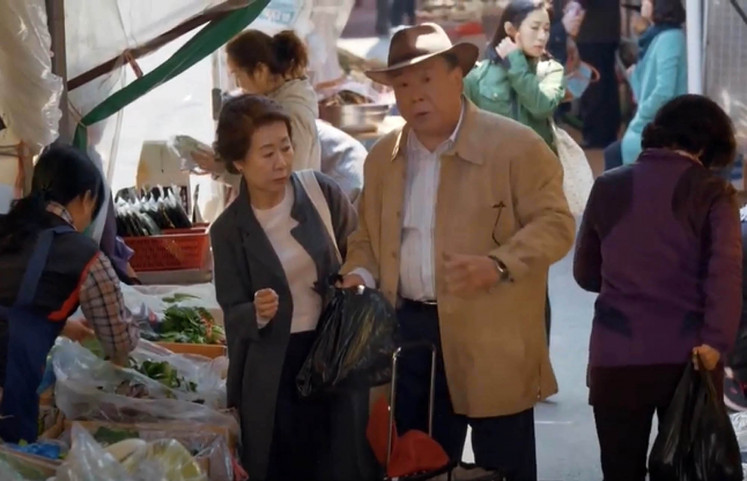
Nobody’s 100 percent good or evil. When people are mean, it’s usually because they have gone through suffering and pain that we’re unaware of, and they actually desire love and affection. So if you have a family member or coworker who seems mean and annoying, it might be worth finding out more about them and treating them more compassionately.
Then, I’ve also learned how we can actually soften people’s hearts through compassion and understanding from watching Prison Playbook (2017). The K-drama centers on baseball player Kim Je-hyeok, who is sent to prison for severely injuring a man who tried to rape his sister.
Warning: Spoiler alert!
I learned from this series that prison inmates are human, too. We can always find something to love about these convicts, including the scariest of them all: Ahn Chang-hwan. A bully who is physically strong, he hates Je-hyeok and wants to kill him.
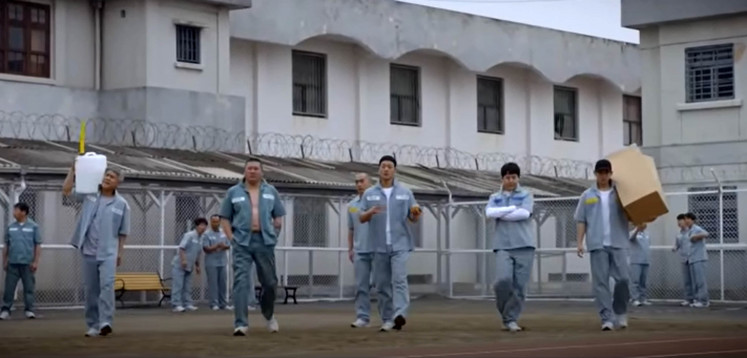
Yet, Je-hyeok manages to turn Chang-hwan around by recognizing that what he needs is simply approval and recognition from others. And he accomplishes this by respecting Chang-hwan’s physical strength and recruiting him as the catcher of the prison’s baseball team.
I have been able to apply all these relationship tips to my own life during the health crisis, first and foremost in how I relate to my mother. My mother and I used to be at odds with each other because as an introverted person, I typically prefer to spend time alone in my bedroom, reading books or watching films. Yet, my mother always objected when I spent too much time alone, thinking that I didn’t love her enough to spend time with her.
At first, it bugged me when she complained too much with her terse voice, and I thought that she was too needy. So what if I wanted to spend time enjoying my solitude in my bedroom after a hard day’s work? But now, I’ve found a way to accommodate her needs as well.
Just like how I came to understand the elders in Dear My Friends, I also grew to understand that beneath my mother’s strict façade and seemingly tough exterior, she is a caring and loving person.
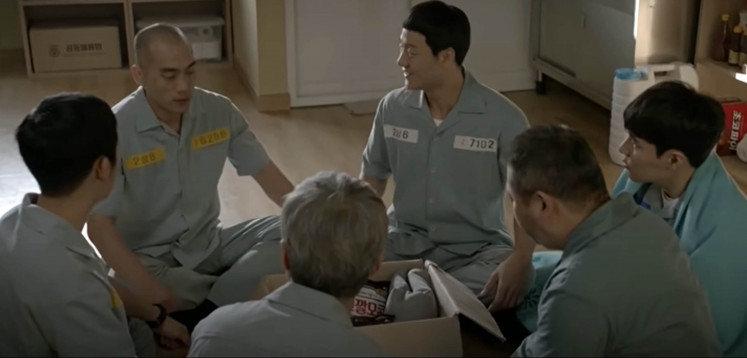
In the workplace, I’ve applied the lessons I learned from Prison Playbook. This has turned out to be especially useful amid the highly stressful WFH situation during COVID-19, when people tend to be short-tempered. If a coworker starts to annoy me, I try to keep my ego in check while trying to understand things from their point of view and what their needs might be. This approach has helped us work together more harmoniously.
So if people are being mean, respond compassionately and their hearts will soften. Oftentimes, it just isn’t about you. (Ogi/Mut)
The writer works at a private lender in Jakarta. She likes watching TV dramas, drawing and reading books in her free time, and was one of the original members of the Baca Rasa Dengar book club when it was founded in 2015.