The Jakarta Post
Please Update your browser
Your browser is out of date, and may not be compatible with our website. A list of the most popular web browsers can be found below.
Just click on the icons to get to the download page.


Popular Reads
Top Results
No results found. Please check your search term and try again
Can't find what you're looking for?
View all search results
Popular Reads
Top Results
No results found. Please check your search term and try again
Can't find what you're looking for?
View all search resultsPlanned bill on anti-disinformation, foreign propaganda draws criticism
The draft bill, which the government asserts is still in the planning stage, focuses on governing platforms and mitigating organized actors such as ‘influencers’, rather than targeting individuals, while carrying administrative and criminal punishments for any violators.
Change text size
Gift Premium Articles
to Anyone
Share the best of The Jakarta Post with friends, family, or colleagues. As a subscriber, you can gift 3 to 5 articles each month that anyone can read—no subscription needed!
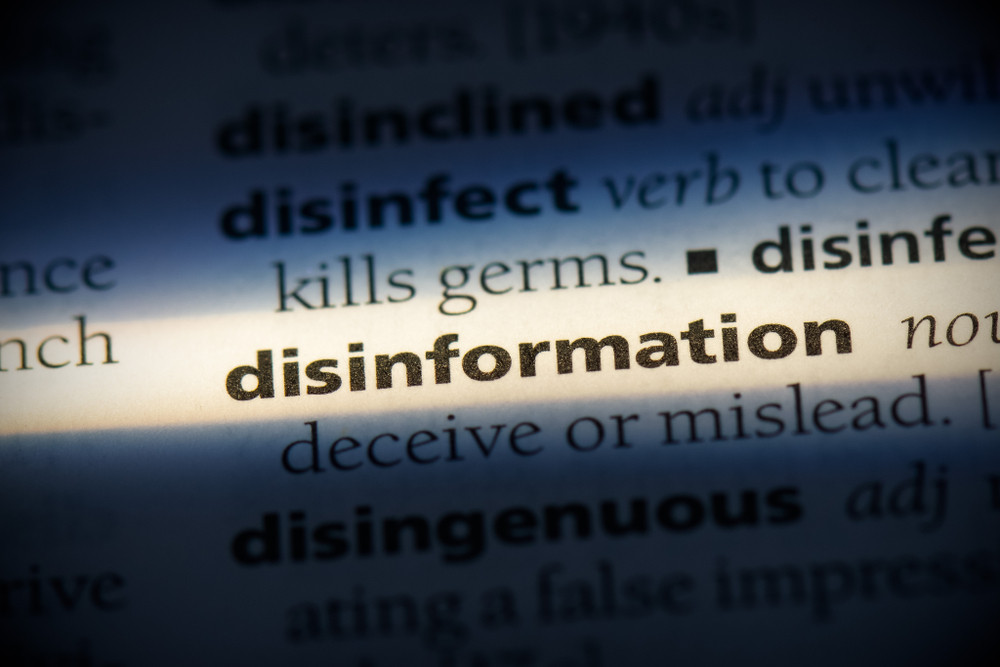 An illustration of a dictionary entry of “disinformation“ (Shutterstock/Casimiro PT)
T
he government is preparing new rules aimed at tackling disinformation and foreign propaganda, raising concerns among rights groups that such a move will narrow the space for public criticism and online freedom of expression.
The regulation is currently being studied by the Law Ministry following instructions from President Prabowo Subianto to start drafting the bill, said Coordinating Law, Human Rights, Immigration and Correctional Services Minister Yusril Ihza Mahendra last Thursday.
The senior minister did not reveal details of the planned regulation, but highlighted the need for strategies to combat disinformation and foreign propaganda by pointing out many countries already have similar legislation to protect their national interests.
“We have experienced this ourselves. There is a lot of disinformation and misunderstandings surrounding our national developments and interests that later become propaganda aimed at discrediting us,” Yusril said as quoted by Antara, adding false information tailored against the country not only affected the politics, but also the economy.
An academic manuscript serving as the basis for the draft bill, which has been circulating among journalists, explained the government’s rationale for an anti-disinformation and foreign propaganda law. It cited that existing regulations dealing with the matter fragmented and inadequate to address the issue systematically.
The manuscript warned disinformation poses a threat to democracy, public order and national security, arguing that it is an “organized and systemic phenomenon” involving “networks of fake accounts, bots, monetized misleading content and cross-border information operations”.

Rather than targeting individuals, the draft bill proposes focusing on governing the broader information ecosystem. It is expected to apply for digital and non-digital platforms, social media platforms, broadcasting institutions and organized actors such as paid “buzzers” or influencers, as well as systemic disinformation and cross-border operations.