TheJakartaPost
Please Update your browser
Your browser is out of date, and may not be compatible with our website. A list of the most popular web browsers can be found below.
Just click on the icons to get to the download page.


Popular Reads
Top Results
No results found. Please check your search term and try again
Can't find what you're looking for?
View all search results
Popular Reads
Top Results
No results found. Please check your search term and try again
Can't find what you're looking for?
View all search resultsASEAN ropes in human rights body ahead of Myanmar talks
Minister insists on upholding noninterference principle in holding junta accountable
Change text size
Gift Premium Articles
to Anyone
Share the best of The Jakarta Post with friends, family, or colleagues. As a subscriber, you can gift 3 to 5 articles each month that anyone can read—no subscription needed!
A
SEAN will continue encouraging the Myanmar junta to abide by a regional consensus to end the country’s political crisis but will do so without “interference in domestic affairs”, Foreign Minister Retno LP Marsudi said on Tuesday, after announcing that the bloc’s rights body would be involved in monitoring compliance.
Retno made the comments after the region’s top diplomats met with the ASEAN Intergovernmental Commission on Human Rights (AICHR).
Retno said that going forward, the AICHR would be involved in dealing with more regional human rights issues, after previously being omitted from the drafting of ASEAN’s five-point consensus on the Myanmar issue. The consensus calls for an immediate cessation of violence, dialogue among all parties, the dispatch of a special envoy and the delivery of humanitarian assistance.
However, she also noted that meetings on human rights were meant to increase cooperation among ASEAN countries.
“They are not finger-pointing exercises to address domestic problems but efforts to solidify two pillars [of the consensus...], which are the promotion of human rights and the increased protection of rights,” she told reporters at the venue in Phnom Penh.
“It should not be misinterpreted as interference in domestic affairs.”
ASEAN decision-making works by consensus and abides by a “non-interference principle”, which has been criticized for holding back progress on human rights.
The minister’s comments come just ahead of a special working lunch on Wednesday that she had suggested would specifically address the recent developments in Myanmar and the fact that, so far, there had been no talk of taking disciplinary action against the junta.
“We will see how the discussion goes. I do not want to issue any hypothetical statements,” she said in response to a question about whether ASEAN would punish the junta for its continued noncompliance with the five-point consensus.
Military-appointed junta officials have been barred from ASEAN meetings, and while “non-political” officials from the country are still allowed to attend meetings of the regional bloc, Naypyidaw did not send any representatives to the ASEAN ministerial meeting this week.
Yuyun Wahyuningrum, Indonesia’s representative to the AICHR, said no specific targets had been discussed at the meeting and that ASEAN, for now, could only “continue to persuade Myanmar” to take action in favor of the five-point consensus while collectively “brainstorming on possible new approaches” ASEAN could take to ensure the junta’s “meaningful implementation” of the consensus.
She noted concerns from other ASEAN countries that any additional pressure could prove unproductive.
“In the AICHR, every country is concerned with the executions recently performed by the military, but the responses are varied,” she told reporters after the meeting.
On Monday, Myanmar’s military chief Min Aung Hlaing said he would be implementing some aspects of the five-point consensus this year. He had previously agreed with the nine other ASEAN leaders in April of last year to honor the consensus.
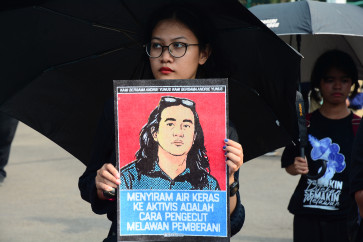
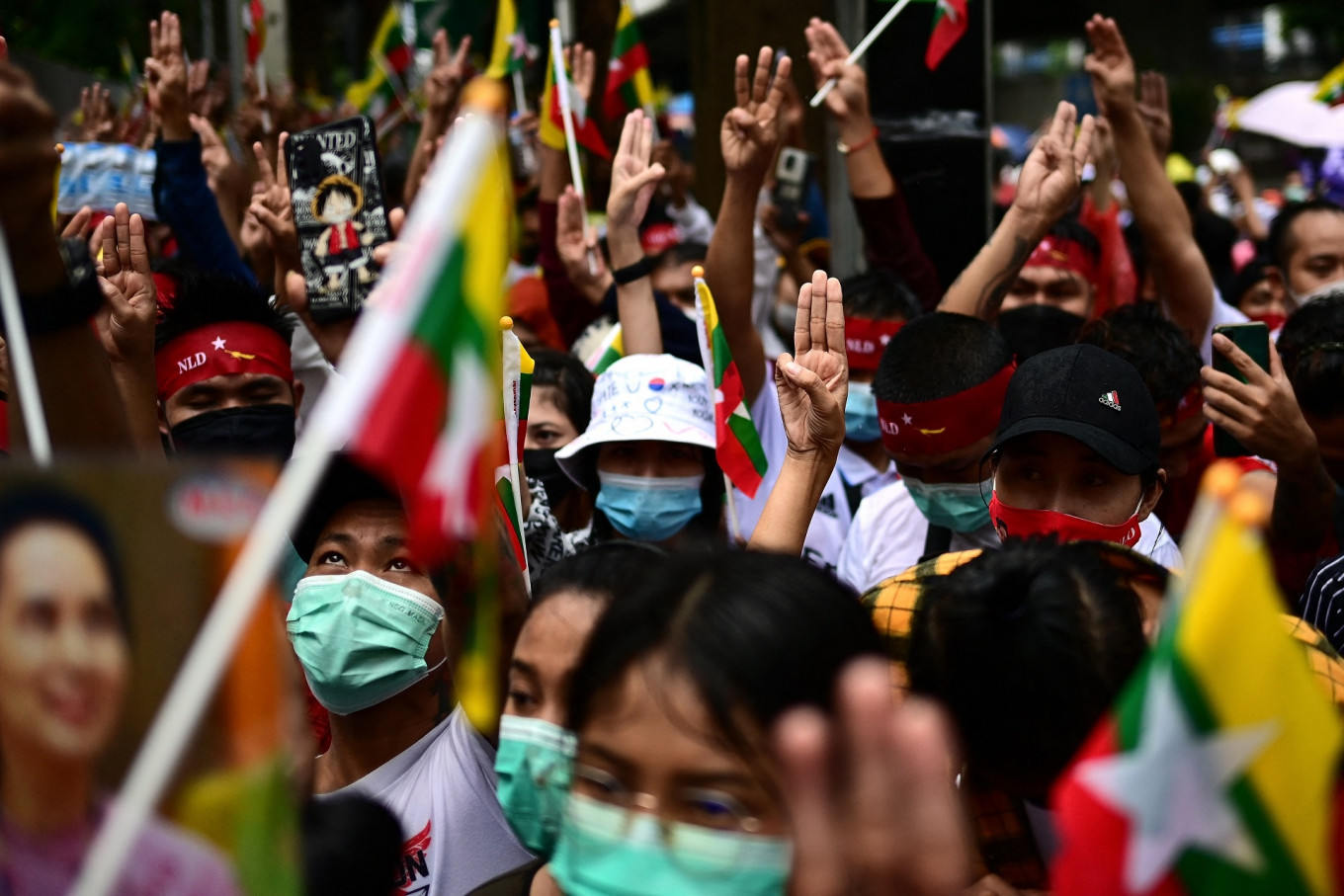
Despite the agreement, the junta has not stopped committing violence – with the recent execution of four democracy activists sparking a renewed global outcry and being taken as evidence of Myanmar’s disregard for ASEAN.
The special envoy, Prak Sokhonn, also reported difficulties in getting the military junta to participate in multi-party dialogues and was refused a meeting with ousted leader Aung San Suu Kyi, as well as other detained elected leaders in recent visits to Myanmar.
Coup leader Min Aung Hlaing claimed Myanmar’s military had been unable to implement the points of the consensus due to a “lack of stability” caused by COVID-19 and “internal riots and violence”. And while he conveyed his willingness to cooperate, he made no promises to honor all of his regime’s commitments.
“The most possible points of the five-point ASEAN consensus will be implemented under the ASEAN framework,” he said in a televised speech on state broadcasters on Monday, Japan’s Kyodo news agency reported.
He also announced an extension of the state of emergency effective until February 2023.
The army has sought to justify its power grab by alleging massive fraud during the 2020 elections, in which Suu Kyi’s National League for Democracy (NLD) soundly defeated a military-backed party. Election observers said the voting was largely free and fair.
According to data from the United Nations, as of late June, more than 2,000 civilians had been killed by junta forces since last year’s coup and more than 14,000 had been arrested. Additionally, more than 700,000 people are now internally displaced in the country.
Yuyun said any decisions relating to Myanmar would still require full consensus – minus Naypyidaw – and would be conveyed to the junta through the ASEAN special envoy.
“It is the loss of the Myanmar military government that it has no say on what the ASEAN foreign ministers decide,” Yuyun told reporters after the meeting.