Can't find what you're looking for?
View all search resultsCan't find what you're looking for?

View all search resultsThere should be a clear mechanism to strengthen regional and multilateral cooperation and solidarity in the battle against future pandemics.
The Group of 20 Leaders’ Summit in Bali this week will be a very big moment for Indonesia and for the group itself. Indonesia has chosen "Recover Together, Recover Stronger" as the theme of its presidency.
Within the scope of this theme, which takes into account the impact of the COVID-19 pandemic on the international community and the challenges encountered in combating the pandemic, the activities for this year have been classified under three main headlines: global health architecture, transition to sustainable energy and digital transformation.
With these pillars, Indonesia aims to continue leading on ensuring equitable access to COVID-19 vaccines, promoting sustainable and inclusive economic development via participation of micro-, small and medium-sized enterprises (MSMEs), and digital economy, among other prominent topics.
The theme of 2022 was determined within the scope of these topics with the aim of accelerating recovery in the fields of global economy and public health following the pandemic, and it guided the G20 program.
Another goal of the efforts on the aforementioned topics is to ensure that the G20 has a structure that can more easily adapt to the global crises that may occur in the future, as well as to identify new ways and tools to this end.
The Bali Summit will be the pinnacle of the G20 process and intense work carried out within the ministerial meetings, working groups and engagement groups throughout the year.
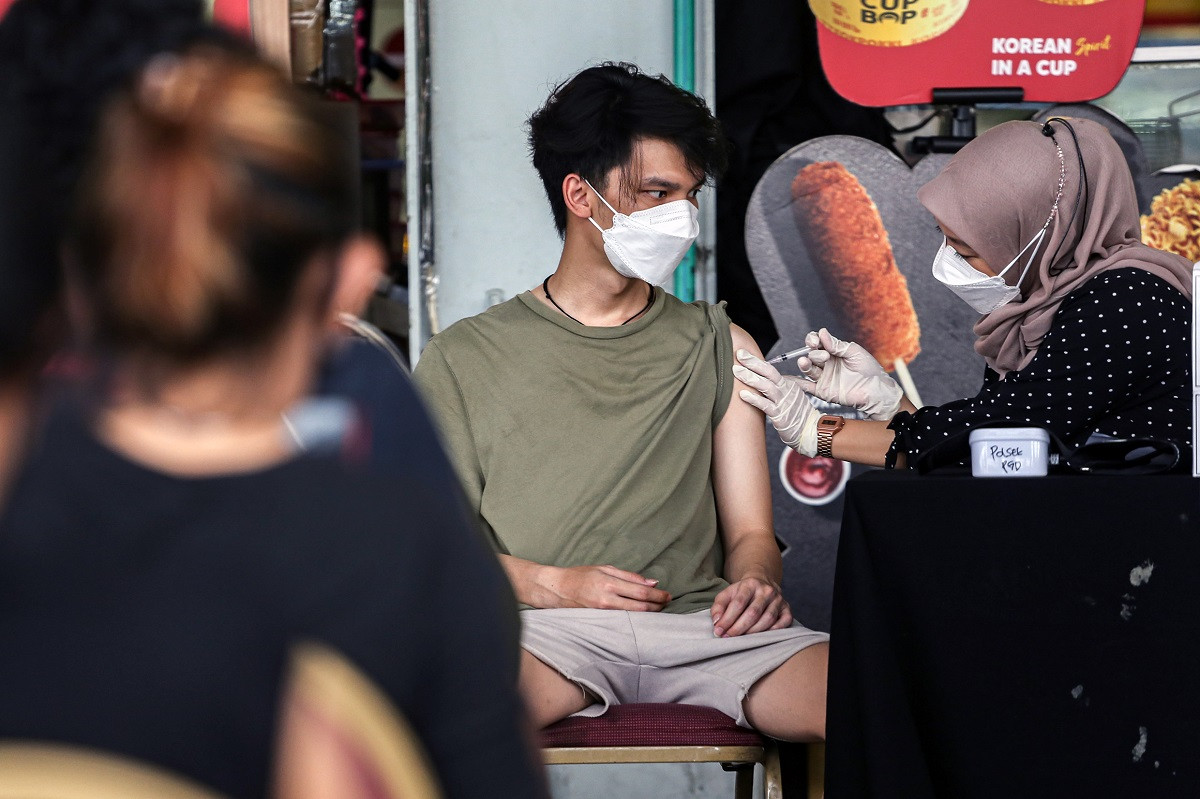
The COVID-19 outbreak, which turned into a global crisis, is responsible for the death of more than 5.5 million people so far, and has caused significant economic and commercial losses. Education has also been adversely affected, with millions of students suffering learning loss.
The COVID-19 pandemic is a turning point that reveals the significance of health security that poses both national and international challenges. During the global epidemic that has claimed millions lives across the world, many countries lacked medical supplies and equipment, while many affluent ones refused to lend a hand.
In the context of the fight against the global pandemic, not only is humanitarian support needed, but also innovative solutions. International community should be aware that new tools are needed to improve the efficiency of international mechanisms to ensure access to health for all.
The pandemic has shown the negative aspects of globalization, indicating the necessity to alter the levels of interdependence and cooperation between countries. In this regard, there should be a clear mechanism to strengthen regional and multilateral cooperation and solidarity in the battle against future pandemics.
Addressing the pandemic will not only depend on international collaboration. Everybody agrees that there is a need to strengthen capabilities and coordination at a global level. Research and development should accelerate to produce more scientific weapons to fight future infectious pathogens.
Yet unless we can prevent, detect, contain and respond at a local level, we will always be on the back foot. Strengthening preparedness at the national level will reinforce the first line of defense against the threat of pandemics.
Countries whose health care is organized under the principles of primary health care will produce a higher level of health for their citizens. This approach to health is people-centered, in which prevention is considered as important as cure. As part of this preventive approach, primary-health care tackles the root causes of ill health, including non-health elements.
Enabling global-health security by strengthening the health system will include developing primary care, adequately training health workers, leveraging technology, supporting regulatory capacity and improving good governance. Investment in health systems and services is investment in human capital.
Healthy human capital is the foundation for the productivity and prosperity of a nation. Equitable distribution of health care and equity in the health status of populations is the foundation for social cohesion, which is our best protection against social unrest.
The country’s focus on revitalizing primary-health care as the cornerstone of a stronger and resilient public-health system will give a boost to national- and global-health security.
We do hope that Indonesia’s G20 presidency will address the global as well as the national primary-health care for a safer, healthier world.
***
The writer is director of Post-Graduate School YARSI University, professor at the University of Indonesia’s School of Medicine, former director general of diseases control at the Health Ministry, and former director of communicable disease at WHO South-East Asia Regional Office.
Share your experiences, suggestions, and any issues you've encountered on The Jakarta Post. We're here to listen.
Thank you for sharing your thoughts. We appreciate your feedback.
Quickly share this news with your network—keep everyone informed with just a single click!
Share the best of The Jakarta Post with friends, family, or colleagues. As a subscriber, you can gift 3 to 5 articles each month that anyone can read—no subscription needed!
Get the best experience—faster access, exclusive features, and a seamless way to stay updated.