TheJakartaPost
Please Update your browser
Your browser is out of date, and may not be compatible with our website. A list of the most popular web browsers can be found below.
Just click on the icons to get to the download page.

Please Update your browser
Your browser is out of date, and may not be compatible with our website. A list of the most popular web browsers can be found below.
Just click on the icons to get to the download page.
Can't find what you're looking for?
View all search resultsCan't find what you're looking for?
View all search results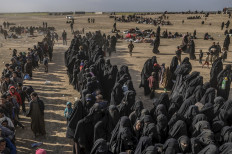
The repatriation of ex-Islamic State (IS) group members is a challenge several countries are facing. Programs led by governments and NGOs do not show evidence of their effectiveness to lower the threats of extremism.
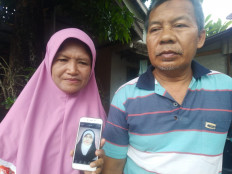
As a nation that bears a dark, unresolved chapter in our history through the purge of alleged communists in the aftermath of the failed Sept. 30, 1965 coup, blamed on the now-defunct Indonesian Communist Party (PKI), we should not repeat the same mistake of making the arbitrary decisions to execute people, like alleged or suspected communists, without due process of law.

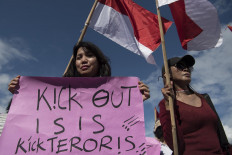
Terrorism emanating from the global extremist group Islamic State (IS) and the state of the world economy are the two biggest concerns among Indonesians, according to survey data on threat assessment released by Pew Research Center last year.

Authorities in the region have said it will be a long battle to thwart the jihadist group's ideology, even after Islamic State leader Abu Bakr al-Baghdadi killed himself by detonating a suicide vest during a raid by U.S. special forces in northwest Syria in October.

Indonesia has an imminent returning foreign terrorist fighter (FTF) challenge. The latest data from Indonesia’s Countering Foreign Terrorist Fighters Task Force showed that the state has received more than 600 deportees and returnees, while still needing to deal with around 630 Indonesian citizens still in Syria and Iraq.