TheJakartaPost
Please Update your browser
Your browser is out of date, and may not be compatible with our website. A list of the most popular web browsers can be found below.
Just click on the icons to get to the download page.

Please Update your browser
Your browser is out of date, and may not be compatible with our website. A list of the most popular web browsers can be found below.
Just click on the icons to get to the download page.
Can't find what you're looking for?
View all search resultsCan't find what you're looking for?
View all search results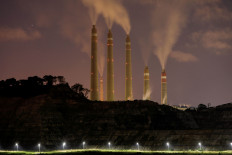
The government has begun questioning the need for Indonesia’s commitment to the 2015 Paris Climate Accords amid sluggish global progress and United States disruption, raising concerns ahead of a crucial moment when the country must choose to double down on its contributions or empower its dirty energy interests.

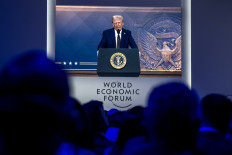
The Republican leader also declared a "national energy emergency" to expand drilling in the world's top oil and gas producer, said he would scrap vehicle emissions standards that amount to an "electric vehicle mandate," and vowed to halt offshore wind farms, a frequent target of his scorn.

The focus of this year's UN Climate Change Conference is financing; specifically, setting an annual amount and devising an integrated sourcing scheme to ensure that the burden of addressing climate vulnerabilities does not fall on countries in the Global South, which contribute just one-tenth of global emissions.

As the world's nations gear up for this year's climate conference next month in the Azerbaijani capital, the COP29 president-designate sees that Indonesia has a prominent place at the table to present not just its voice, but also the voices of the most vulnerable countries, particularly those of the Global South, and strengthen its role in global climate action.
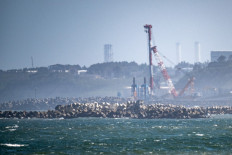
In view of the potential sidelining of nuclear power as a priority in Indonesia's energy strategy and the resulting unemployment of the country's nuclear resources, especially its highly skilled nuclear workforce, the government could retailor its strategy to focus on alternative solutions, such as building small reactors to power remote cities and AI data center.
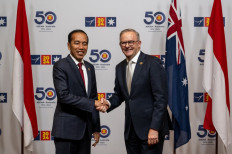
Experts have encouraged Indonesia and Australia to alter their trade policies to promote the more open exchange of goods and services to help scale up climate action, as both countries continue to be among the world’s largest carbon emitters.