The Jakarta Post
Please Update your browser
Your browser is out of date, and may not be compatible with our website. A list of the most popular web browsers can be found below.
Just click on the icons to get to the download page.


Popular Reads
Top Results
No results found. Please check your search term and try again
Can't find what you're looking for?
View all search results
Popular Reads
Top Results
No results found. Please check your search term and try again
Can't find what you're looking for?
View all search resultsbiodiesel

Academia 2 months ago
PREMIUM
The hidden costs of Indonesia's B50 biodiesel revolution
Indonesia’s ambitious B50 biodiesel mandate promises total energy independence, but a volatile mix of surging food costs, environmental degradation, and fiscal strain could turn this historic experiment into a costly economic gamble.
Regulations 2 months ago
PREMIUM
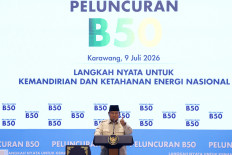
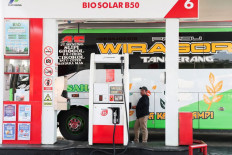
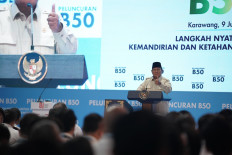
Indonesia rolls out B50 biodiesel mandate, lifting palm oil demand
Indonesia officially launched its latest biodiesel blending mandate on Thursday, requiring a fuel blend of half palm-based diesel and conventional diesel known as B50, as President Prabowo Subianto pushes to cut fuel imports and achieve energy self-sufficiency. The rollout of the new blend will raise domestic palm oil demand.

Editor's Picks
Popular
- Recentralization concerns in fiscal, education heighten
- Twenty years on, BRICS faces a defining choice
- Indonesia calls for more representative UN amid changing world order
- Court decision tightens House oversight on free meals funding
- Safeguarding Indonesia's AI future
- Indian arrested for smuggling gold bars to Thailand via N. Sumatra airport
- Agrarian reform bill gets mixed reaction
- Singapore’s BDx launches 640MW data center project in West Java
- ASEAN warms to BRICS without sacrificing centrality
- Japanese automakers raise concern over local content rules


