The Jakarta Post
Please Update your browser
Your browser is out of date, and may not be compatible with our website. A list of the most popular web browsers can be found below.
Just click on the icons to get to the download page.


Popular Reads
Top Results
No results found. Please check your search term and try again
Can't find what you're looking for?
View all search results
Popular Reads
Top Results
No results found. Please check your search term and try again
Can't find what you're looking for?
View all search resultscity
City 6 years ago
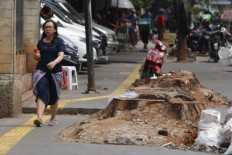
Stop cutting down trees, City Council speaker tells Jakarta administration
Photos of tree stumps on Jl. Cikini Raya have previously made the rounds and gone viral on social media, with netizens lamented the fellings, which the Jakarta Forestry Agency said were part of the sidewalk renovation project in the area.

Art & Culture 6 years ago
More than 60 new members inaugurated in UNESCO's Creative Cities network
To mark World Cities Day on October 31, UNESCO has admitted a total of 66 new members to its Creative Cities network for demonstrating a rich heritage in gastronomy, music, literature, cinema, folk art and design.



Opinion 6 years ago
Too dense: An excuse for Jakarta's inaction!
Ironically, an estimated 60 percent of Jakarta's civil servants are unable to afford to live in the city they serve. They cannot even vote for the governor for which they work. They are pushed, as with countless others, by market forces to live on the fringes: Bogor, Depok and Bekasi in West Java and Tangerang in Banten. This results in a disastrous urban sprawl that gobbles up otherwise productive agricultural land and energy-draining commutes.
Opinion 7 years ago
PREMIUM
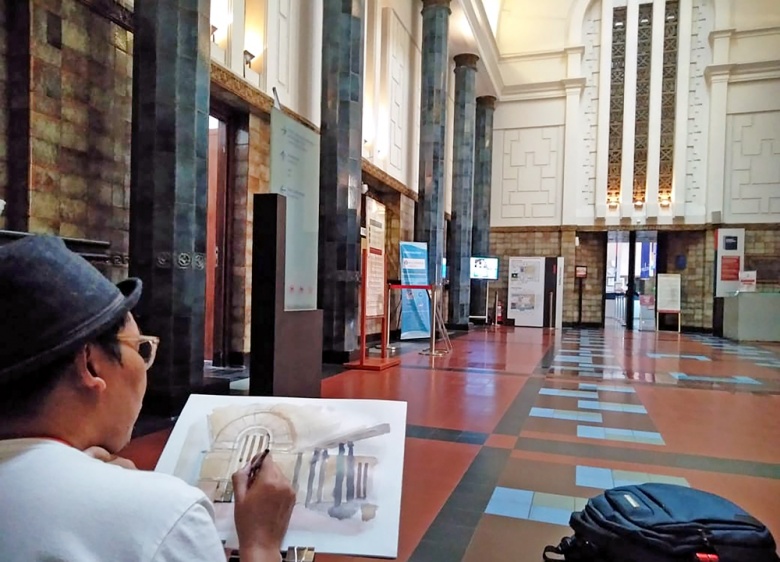
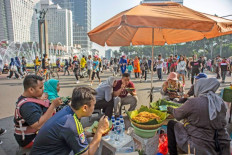
Pedestrians, vendors: Unite for more, wider sidewalks!
When I reflect on how to make a good city, the contestation between street vendors and pedestrians is puzzling. Instead of fighting, they should be forming a coalition, because pedestrians and street vendors have a common goal.

City 7 years ago
PREMIUM
‘Religious harmony’ versus ‘religious city’ draft bylaws in Depok
Neither the draft bylaw on religious harmony nor the one on a religious city, proposed by the Indonesian Democratic Party of Struggle (PDI-P) faction at the city council and Depok Mayor Muhammad Idris, respectively, has been included in the bylaw legislation program (Propemrda) for 2020.
Editor's Picks
Popular
- Much ado about asset forfeiture
- Mass poisonings cast doubt on free meals reforms
- Prabowo sacks Purbaya, turns to familiar hand at Finance Ministry
- Indonesia, China eye cooperation to boost 3 million homes program
- The benefit of the doubt has expired
- Children are no longer the priority, were they ever?
- Australian woman dies after falling from cliff at Bali’s Kelingking Beach
- Wildfire breaks out again at Mount Bromo
- Purbaya says he was 'upset', but half expected removal
- Ferry disaster renews scrutiny of vessel safety checks


