The Jakarta Post
Please Update your browser
Your browser is out of date, and may not be compatible with our website. A list of the most popular web browsers can be found below.
Just click on the icons to get to the download page.


Popular Reads
Top Results
No results found. Please check your search term and try again
Can't find what you're looking for?
View all search results
Popular Reads
Top Results
No results found. Please check your search term and try again
Can't find what you're looking for?
View all search resultsextreme-weather
Americas 7 months ago
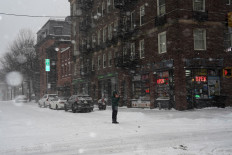
Historic winter storm kills at least 10 across US
As the storm dumped snow, sleet and freezing rain across the wide expanse, officials cautioned that an Arctic air mass behind the system would see temperatures fall dangerously low for days, prolonging disruptions to daily life.
Archipelago 8 months ago
PREMIUM
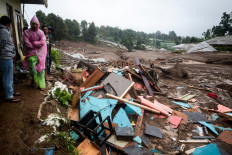
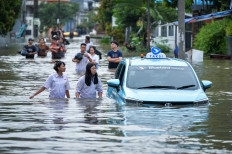
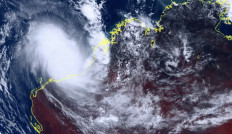
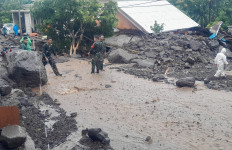
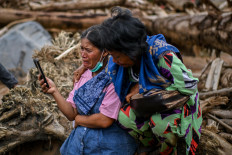
Heavy rain, coastal erosion compound flooding threats in Java
Persistent heavy rainfall across West and Central Java has triggered flooding and landslides with coastal areas bearing the greatest impact due to ongoing erosion. The situation is expected to continue in the coming days.
Archipelago 8 months ago
PREMIUM
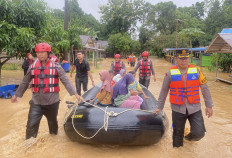
Extreme weather, fresh floodings haunt survivors of Sumatra disaster
Authorities added that the recurring floods carried large amounts of mud, rocks and other debris, making rivers shallower and more prone to overflowing. They also warned that the fresh flooding has complicated search efforts for people still missing, who are believed to be trapped beneath thick debris.

Society 9 months ago
PREMIUM
Extreme weather looms as millions head into year-end travel season
Authorities have warned of more potential extreme weather as the nation headed into another busy year-end holiday travel season over the weekend, with millions pouring in and out of Jakarta and other big cities nationwide amid muted celebrations in respect for those still reeling from the disaster in Sumatra.
Society 9 months ago
PREMIUM
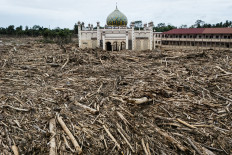
Yearender: Climate extremes expose Indonesia’s disaster vulnerabilities
Weak disaster preparedness and mitigation efforts as well as environmental degradation mainly caused by business activities have exposed Indonesia to hazards of extreme climate events, including tropical cyclones that are not usually forming in areas close to the equator.
Editor's Picks
Popular
- Recentralization concerns in fiscal, education heighten
- Safeguarding Indonesia's AI future
- Twenty years on, BRICS faces a defining choice
- Indonesia calls for more representative UN amid changing world order
- Court decision tightens House oversight on free meals funding
- Indian arrested for smuggling gold bars to Thailand via N. Sumatra airport
- Agrarian reform bill gets mixed reaction
- Singapore’s BDx launches 640MW data center project in West Java
- ASEAN warms to BRICS without sacrificing centrality
- Crew member from missing Anak Krakatau boat identified


