The Jakarta Post
Please Update your browser
Your browser is out of date, and may not be compatible with our website. A list of the most popular web browsers can be found below.
Just click on the icons to get to the download page.


Popular Reads
Top Results
No results found. Please check your search term and try again
Can't find what you're looking for?
View all search results
Popular Reads
Top Results
No results found. Please check your search term and try again
Can't find what you're looking for?
View all search resultspeat-land
Front Row 1 year ago
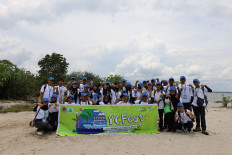
BRGM’s #YCTrip engages GLI youths to learn about Riau’s peatlands, mangroves
As one of the most important ecosystems on Earth, peatlands are critical in preventing and mitigating the effects of climate change, preserving biodiversity and tackling pollution by absorbing and storing carbon dioxide.


Business 10 years ago
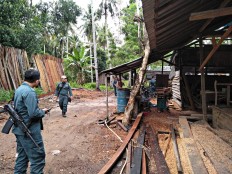
Malaysia challenges the world over palm oil on peatland
Malaysia is a “lone ranger” in Southeast Asia as it fights more or less solo against the majority of environmentalists’ views that palm oil trees should not be planted on tropical peatland as it is believed to severely affect the local environment and exacerbate global warming.

Business 10 years ago
Congress may change views on cultivation of peatland: IPS
The International Peat Society (IPS) has said that the 15th International Peat Congress in Kuching, Sarawak, Malaysia at which many results of new research were presented, may change the perception of environmentalists about the negative impact of cultivation on peatland areas.

National 10 years ago
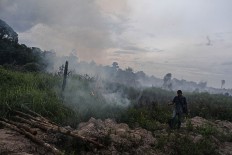
Indonesia must go all out to prevent forest fires: Expert
The Indonesian government, plantation companies and communities need to take immediate action to prevent forest fires as hot spots have started to emerge in a number of forested areas in Kalimantan and Sumatra, an expert has warned.
Opinion 10 years ago
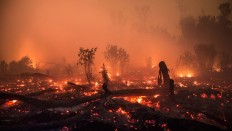
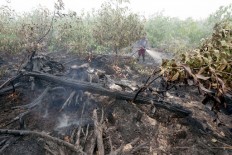
Politics slows fight against peatland fires
Understanding the nature of peatlands is crucial to resolving Indonesia’s forest fires crisis. Indonesia’s coastal peatlands have formed over the past several thousand years in tidal mangrove swamps, building up new, low-lying land comprising peat up to 15 meters deep.
Editor's Picks
Popular
- PISA gains belie Indonesia’s persistent education crisis
- Not the Ministry of Magic
- Suahasil seen to prioritize fiscal discipline, continuity
- The benefit of the doubt has expired
- Osama the gamer: A list of Bin Laden’s video games from his hard drive
- Ed Sheeran struggles against Gaza tide
- Another company flees Batam, abandons 1,025 workers
- Indonesian Navy welcomes former Italian warship as its first aircraft carrier
- Is Indonesia returning to fiscal orthodoxy?
- Saudi civil defense sends all-clear after alerts issued for capital Riyadh


