The Jakarta Post
Please Update your browser
Your browser is out of date, and may not be compatible with our website. A list of the most popular web browsers can be found below.
Just click on the icons to get to the download page.


Popular Reads
Top Results
No results found. Please check your search term and try again
Can't find what you're looking for?
View all search results
Popular Reads
Top Results
No results found. Please check your search term and try again
Can't find what you're looking for?
View all search resultsraja-ampat

Archipelago 1 year ago
PREMIUM
Raja Ampat's nickel mining may threaten endangered Papuan Blue orchid
Agus Hikmat, a plant conservation expert at IPB, warned that although there is no nickel mining occurring directly on Waigeo Island, the environmental impacts from mining activities elsewhere in Raja Ampat could eventually reach the island, posing a threat to the already vulnerable blue orchid.
Companies 1 year ago
PREMIUM
Govt to sanction Morowali industrial park for environmental violations
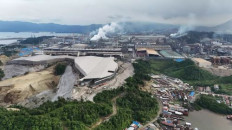
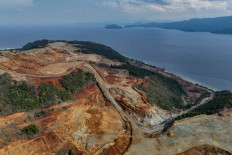
The Environment Ministry is coming down hard on IMIP over multiple violations at its nickel hub in Central Sulawesi, following public outrage over exploitative activities in Papua's famed marine tourist hot spot Raja Ampat.

Opinion 1 year ago
PREMIUM
Analysis: Raja Ampat controversy, between nickel mining or sustainable tourism
The Indonesian government is facing a critical dilemma as it seeks to advance its strategic nickel downstreaming agenda while managing mounting public pressure to preserve the ecological and tourism-rich region of Raja Ampat in Southwest Papua. The controversy over nickel mining in the area has spotlighted tensions between Indonesia’s ambition to lead in the global green supply chain through its nickel downstream industry development and the need to protect one of its most biodiverse and scenic marine ecosystems.

Academia 1 year ago
PREMIUM
Breaking the cycle of extractive exploitation in Papua
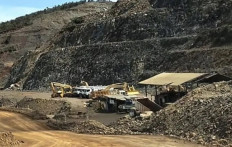
The public have jumped to the defense of Raja Ampat in a modern-day case of David versus Goliath, where collective resistance must be mounted as the Papuan people wield everyday environmentalism to sling against the greenwashed extractive narrative of mining oligarchs.
Academia 1 year ago
PREMIUM
Recentralizing mining license should not sacrifice regional justice
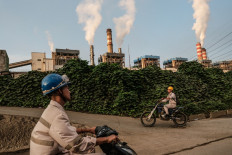
Raja Ampat is a litmus test for our mineral nationalism, which requires both reforming and restructuring into a social contract rooted in justice, inclusion and shared stewardship so the nation as a whole can prosper, even as it leads the globe in green minerals.
Companies 1 year ago
PREMIUM
Govt stops short of halting all nickel mining in Raja Ampat
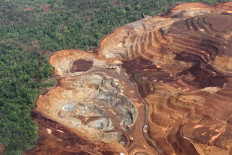
The government has revoked four licenses for nickel mining operations in Southwest Papua’s Raja Ampat regency, but not the one for the most advanced project on Gag Island, despite mounting pressure from environmental groups and the wider public.
Editor's Picks
Popular
- Govt’s MSME credit push overlooks deeper structural problem
- Jakarta fines waste firms over illegal dumping
- Sarawak eyes cloud seeding as haze worsens
- Indonesia probes citizens alleged to have fought for Russia in Ukraine
- Transparency matters
- Housing expo falls short, subsidized loans slow
- Australian man arrested for alleged public sex act in Bali
- NU clerics elect Gus Kikin as chair in first indirect polls
- Bank Jakarta aims to go public in 2027
- Indonesia presses Muslim world to move beyond condemnation on Gaza


