TheJakartaPost
Please Update your browser
Your browser is out of date, and may not be compatible with our website. A list of the most popular web browsers can be found below.
Just click on the icons to get to the download page.


Popular Reads
Top Results
No results found. Please check your search term and try again
Can't find what you're looking for?
View all search results
Popular Reads
Top Results
No results found. Please check your search term and try again
Can't find what you're looking for?
View all search resultsASEAN forecasts lower GDP growth
ASEAN finance ministers have estimated the surge in the price of crude oil would hurt economic growth in the region this year
Change text size
Gift Premium Articles
to Anyone
Share the best of The Jakarta Post with friends, family, or colleagues. As a subscriber, you can gift 3 to 5 articles each month that anyone can read—no subscription needed!

A
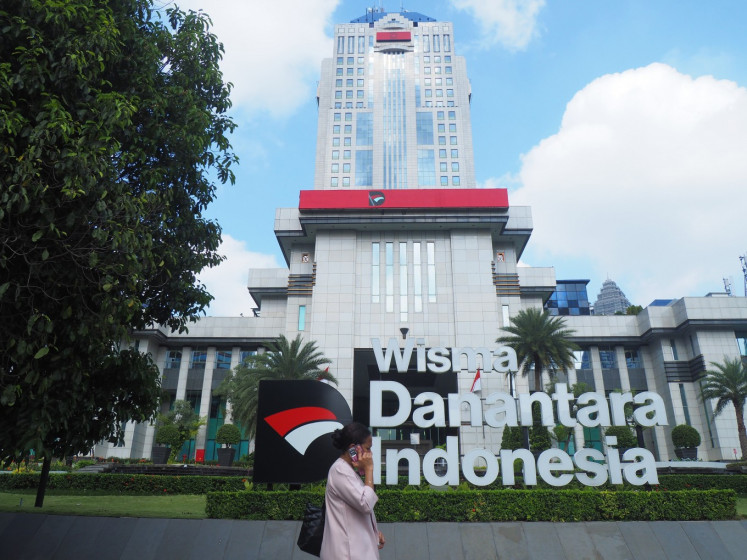
SEAN finance ministers have estimated the surge in the price of crude oil would hurt economic growth in the region this year.
In a joint media statement following the 15th annual ASEAN Finance Ministers’ Meeting in Nusa Dua, Bali, on Friday, ministers said they estimated average economic growth in the region would decline to between 5.7 and 6.4 percent this year from 7.6 percent in 2010.
However, they said that despite the projected lower growth, economic expansion in the association’s 10 member states would still be higher than in the rest of the world.
The ministers said economic activity in the region remained buoyant despite a slow recovery in the global economy. “Most ASEAN countries have returned to, or even surpassed, their pre-crisis growth rates,” ministers said in the statement, in reference to the 1997 Asian financial crisis and the 2008 US-led global economic slowdown.
The “high level” growth rate projected by ASEAN finance ministers was mainly due to sustainable growth in domestic demand, in addition to the surge in investment in the private sector, which has emerged as a key driver of the region’s economic growth.
Thai Finance Minister Korn Chatikavanij attributed the slower growth estimate mainly to the impact of the surge in oil prices rather than due to other factors such as decline in domestic demand and investments.
“Higher-than-expected oil prices will affect economic growth because most of the association’s members are net oil importers,” Chatikavanij said at a news conference following the meeting.
Despite the positive outlook, ASEAN finance ministers agreed that risks remained, especially around surging global commodity prices, both in food and oil.
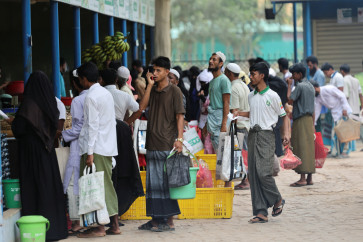
Social and political turmoils in the Middle East have caused oil prices to rise above the psychological US$100 per barrel level, while extreme weather has undermined productivity in the agricultural sector. Because of the unprecedented weather patterns, Indonesia has seen a disruption in its rice self-sufficiency program this year, and has been forced to import rice to meet demand.
“Given the high interdependence among our economies, coordinated responses are crucial. We reiterate our call to enhance economic integration as a strategy for sustained recovery,” the ministers said.
Indonesian Finance Minister Agus Martowardojo mulled the establishment of a fund by the 10 member states to counter food price increases through speculation and for food-related research to ensure food sufficiency and stability — the same recommendation Indonesia issued at a G20 forum earlier this year.
“We spoke about the possibilities of pooling funds to help each other if there are threats to food security. ASEAN countries will strengthen cooperation and see if they can avoid worst-case scenarios around food or other commodity prices,” Agus said.