The Jakarta Post
Please Update your browser
Your browser is out of date, and may not be compatible with our website. A list of the most popular web browsers can be found below.
Just click on the icons to get to the download page.


Popular Reads
Top Results
No results found. Please check your search term and try again
Can't find what you're looking for?
View all search results
Popular Reads
Top Results
No results found. Please check your search term and try again
Can't find what you're looking for?
View all search resultsAcademic colonialism concerns haunt rare rafflesia sighting
Anger at the University of Oxford regarding the lack of credit on social media for Indonesian researchers and collaborators in research about world’s largest flower rafflesia was caused by decades of unfair practices by Global North researchers to their Global South counterparts, experts have said.
Change text size
Gift Premium Articles
to Anyone
Share the best of The Jakarta Post with friends, family, or colleagues. As a subscriber, you can gift 3 to 5 articles each month that anyone can read—no subscription needed!
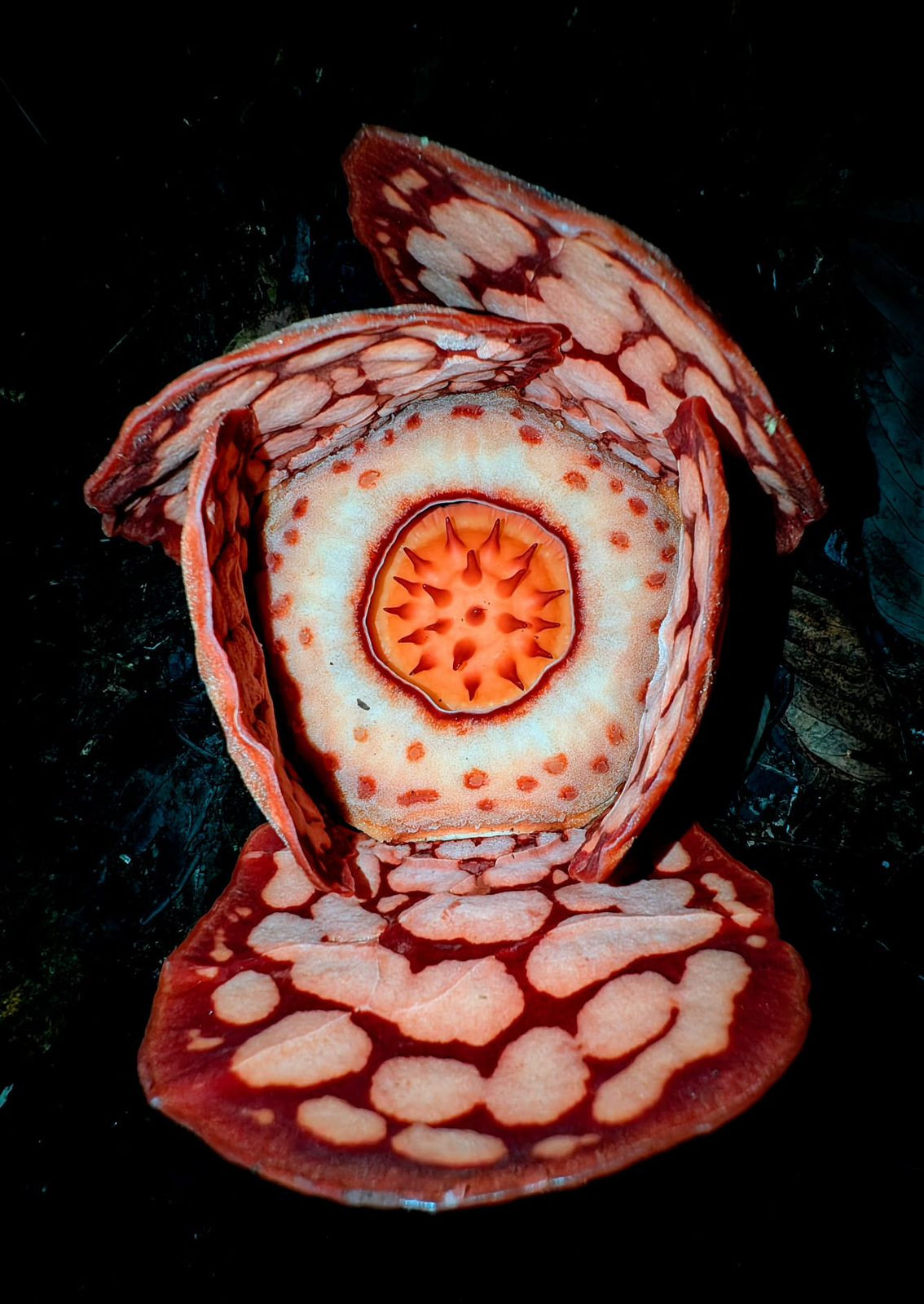 The flower of a Rafflesia hasseltii is seen blossoming on Nov. 19, 2025 in Sumpur Kudus district, Sijunjung regency, West Sumatra. The flower was observed during a field observation jointly conducted by local conservationists as well as researchers from National Research and Innovation Agency (BRIN) and Oxford University. (Handout/Courtesy of Septian Andriki)
T
he celebratory atmosphere around the rediscovery of a rare species of rafflesia parasitic plant in the past week has been eclipsed by a public relations disaster that raised concerns about lingering academic colonialism by Western institutions that often put researchers from places like Indonesia in the back seat of the scientific process.
The debacle on social media revolved around a University of Oxford post on social media, which celebrated the rediscovery of Rafflesia hasseltii, locally known as cendawan muka rimau, at the Sumpur Kudus community forest in Sijunjung regency, West Sumatra on Nov. 19.
The plant was rediscovered in an expedition by Bengkulu-based conservationist Septian Andriki, Oxford Botanic Garden and Arboretum deputy director Chris Thorogood and National Research and Innovation Agency (BRIN) botanist Joko Ridho Witono. They were guided by Sumpur Kudus forest ranger Iswandi.
The expedition was part of the Community for the Conservation and Research of Rafflesia (CCRR), an international partnership made up of academic biologists, foresters, researchers and community practitioners from across the world working on rafflesia. Among the project’s participants is University of Bengkulu botanist Agus Susatya, who did not participate in the Nov. 19 expedition.
Oxford reposted footage of the rediscovery, initially uploaded by Septian and Thorogood on their respective accounts, on the university’s official social media handle, accompanied by a caption that did not mention any Indonesian researchers despite him appearing in the video. Netizens responded to the post negatively, saying that the university was erasing the roles of local researchers in their publications.
Read also: Rare rafflesia rediscovery boosts hope for more research

Thorogood and Septian only found out about the backlash hours after the post was uploaded, as they were on their way back to Bengkulu and had no cell phone service along the way. The Oxford researcher than asked the university to add Septian’s name to the post, which it did.