The Jakarta Post
Please Update your browser
Your browser is out of date, and may not be compatible with our website. A list of the most popular web browsers can be found below.
Just click on the icons to get to the download page.


Popular Reads
Top Results
No results found. Please check your search term and try again
Can't find what you're looking for?
View all search results
Popular Reads
Top Results
No results found. Please check your search term and try again
Can't find what you're looking for?
View all search resultsOur doctors are dying
Last month, three intern doctors died within just 11 days from complications linked to dengue fever, anemia, and measles. While official reforms promise to protect medical interns, the tragic deaths reveal a system where "safety limits" exist only on paper.
Change text size
Gift Premium Articles
to Anyone
Share the best of The Jakarta Post with friends, family, or colleagues. As a subscriber, you can gift 3 to 5 articles each month that anyone can read—no subscription needed!
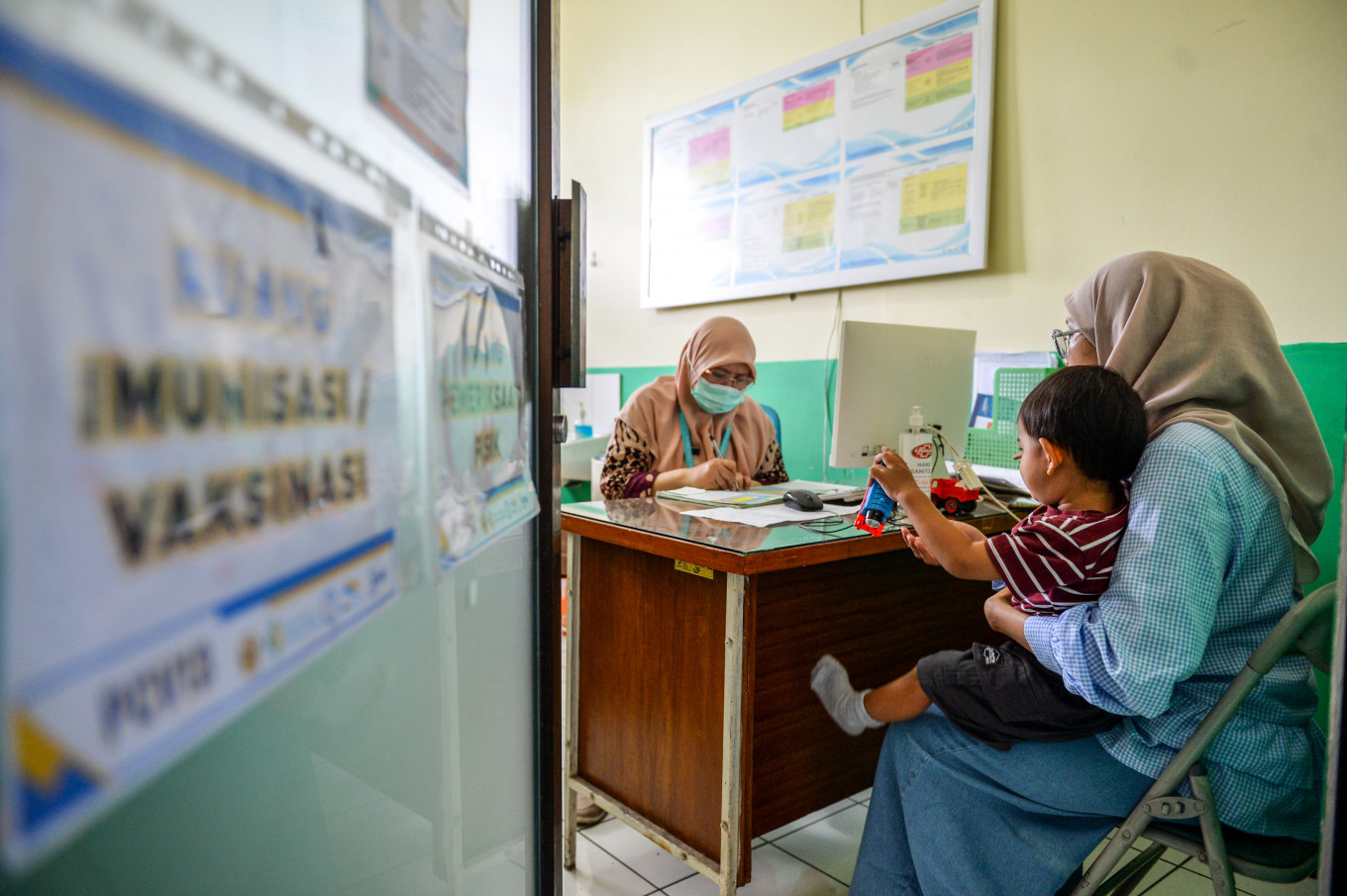 Protect young lives: A doctor (left) attends to a toddler receiving a measles vaccine on March 27, 2026, at the Ibrahim Adjie community health center (Puskesmas) in Bandung, West Java. (Antara/Raisan Al Farisi)
I
n recent years, the Health Ministry has pledged to better protect doctors and dismantle the deeply entrenched systems that have long overworked and made them vulnerable.
These promises have been formalized through a series of reforms. The passage of the Omnibus Health Law in 2023 introduced limits on working hours and broader reforms to a system many have criticized for decades. Authorities have also introduced a bullying-report hotline for doctors and expanded access to mental health support.
Yet, recent events cast doubt on how far these commitments extend beyond paper. Last month, three intern doctors died within just 11 days from complications linked to dengue fever, anemia and measles. This string of fatalities has sparked public concern and a pressing question: Are these merely isolated cases, or signs of a system that still pushes its doctors beyond safe limits?
The Health Ministry quickly dismissed speculation about overwork, stating that the deceased intern doctors did not exceed 48 working hours per week and were already in advanced stages of illness when brought to the hospital. However, while the circumstances surrounding two of the deaths remain unclear, one case directly contradicts these claims.
According to Health Ministry officials, one doctor continued treating patients for several days after developing symptoms consistent with measles. The 25-year-old doctor, identified only as AMW, had been treating measles patients between March 8 and 16. On March 18, he developed a fever, cough and flu-like symptoms and requested leave. Despite this, he reportedly remained on duty for three consecutive morning shifts.
On March 21, he developed a rash but continued treating patients in the ICU. He was only admitted to the hospital on March 25 after losing consciousness; he died a day later. Laboratory results released on March 28 confirmed a measles infection with severe complications affecting his heart and brain.

The fact that a doctor exhibiting symptoms of measles, one of the most contagious vaccine-preventable diseases, continued working in clinical settings raises urgent questions about infection control, workplace pressure and whether rest provisions truly protect doctors in practice or remain only on paper.