TheJakartaPost
Please Update your browser
Your browser is out of date, and may not be compatible with our website. A list of the most popular web browsers can be found below.
Just click on the icons to get to the download page.


Popular Reads
Top Results
No results found. Please check your search term and try again
Can't find what you're looking for?
View all search results
Popular Reads
Top Results
No results found. Please check your search term and try again
Can't find what you're looking for?
View all search resultsHow to think about foreign policy in the new geoeconomic era
Middle powers need to tread skillfully around the biggest blocs in navxigating the new era of geoeconomics.
Change text size
Gift Premium Articles
to Anyone
Share the best of The Jakarta Post with friends, family, or colleagues. As a subscriber, you can gift 3 to 5 articles each month that anyone can read—no subscription needed!
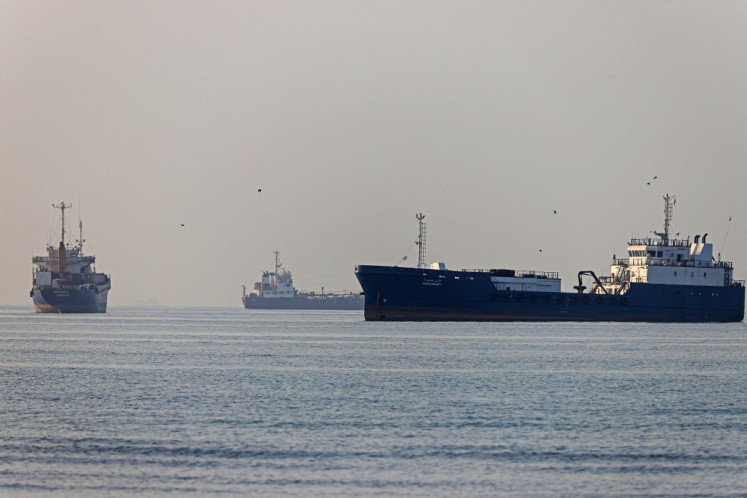
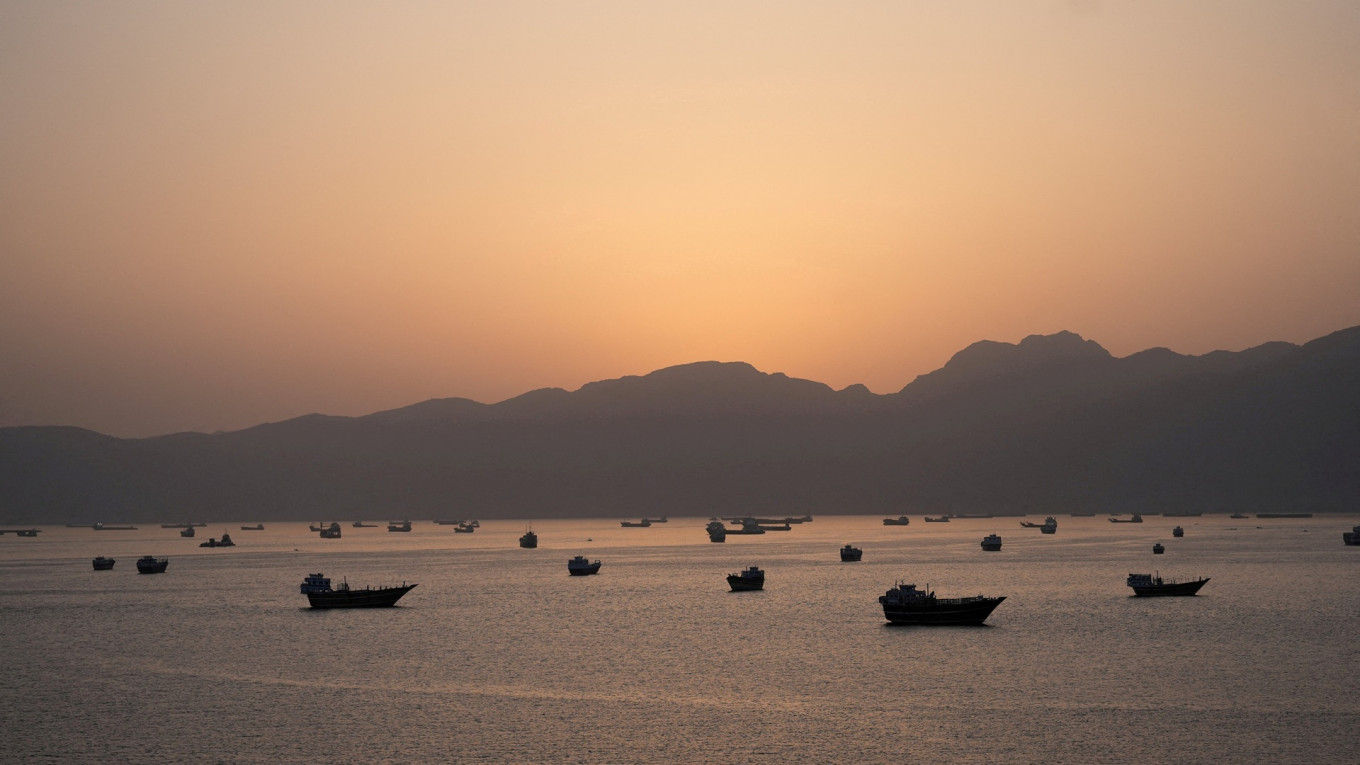 Ships sail across the Strait of Hormuz at sunset on May 1, 2026, in Musandam, Oman. (Reuters/Stringer)
W
ith every day of disruption in the Strait of Hormuz, the economic damage mounts. Iran’s willingness to weaponize a waterway is an attempt to hold the global economy hostage. It also lays bare once more the strategic vulnerabilities at the heart of global trade and reminds us that, in this new era of geoeconomics, we urgently need to reinforce our economic security.
By hitting fuel, food and fertilizer, the Hormuz crisis is hurting families and businesses across the globe. While oil prices shift day by day, the agricultural fallout will compound over weeks and months, playing out through planting seasons and future crop yields. The World Food Program has warned that 45 million people in the poorest countries could be pushed into acute hunger if the conflict is not resolved by mid-year.
As Britain’s foreign secretary, I have spent this month working to build international pressure for a full and swift reopening of the Strait, restoring freedom of navigation, with no restrictions, conditions or tolls. Plans by Iran to bring in tolls would fundamentally undermine the law of the sea and set damaging precedents for maritime trade across the world.
The Hormuz crisis is no outlier. This is the third time in six years that international events have sent economic tremors around the world. The COVID-19 pandemic, Russia’s invasion of Ukraine, and now the Iran conflict. Instability and volatility are the new normal and countries across the world are increasingly reaching for economic tools to exert global leverage, whether to coerce or constrain.
Supply chains once purely commercial are now eyed as strategic vulnerabilities. Competition is intensifying for control of the critical minerals essential for future vehicles, defense systems and the energy transition, with China determined to maintain and exploit its current production advantage, and challenges from export restrictions and controls. In addition, tariffs are rising, with United States duties at levels not seen since the 1930s.
These are generation-defining shifts. For much of the past few decades the democratic world operated on assumptions that economic globalization and free trade would widen opportunity, lower barriers and spread prosperity more broadly. A shared framework of rules and standards would give economies the stability they needed to grow.

These assumptions were always inadequate. Too many people did not experience the benefits of globalization and concluded that promises made in its name were not kept. But now those assumptions are being overturned as part of a wider and more fundamental challenge to open economies and the rules-based order.