The Jakarta Post
Please Update your browser
Your browser is out of date, and may not be compatible with our website. A list of the most popular web browsers can be found below.
Just click on the icons to get to the download page.


Popular Reads
Top Results
No results found. Please check your search term and try again
Can't find what you're looking for?
View all search results
Popular Reads
Top Results
No results found. Please check your search term and try again
Can't find what you're looking for?
View all search resultsPurbaya’s aggressive fiscal shift: Growth at what cost?
Finance Minister Purbaya has pivoted toward an aggressive, pro-growth fiscal strategy that breaks from years of cautious discipline. However, using reserve cash and central bank surpluses to fund this vision may jeopardize Indonesia’s long-term institutional stability and debt credibility.
Change text size
Gift Premium Articles
to Anyone
Share the best of The Jakarta Post with friends, family, or colleagues. As a subscriber, you can gift 3 to 5 articles each month that anyone can read—no subscription needed!
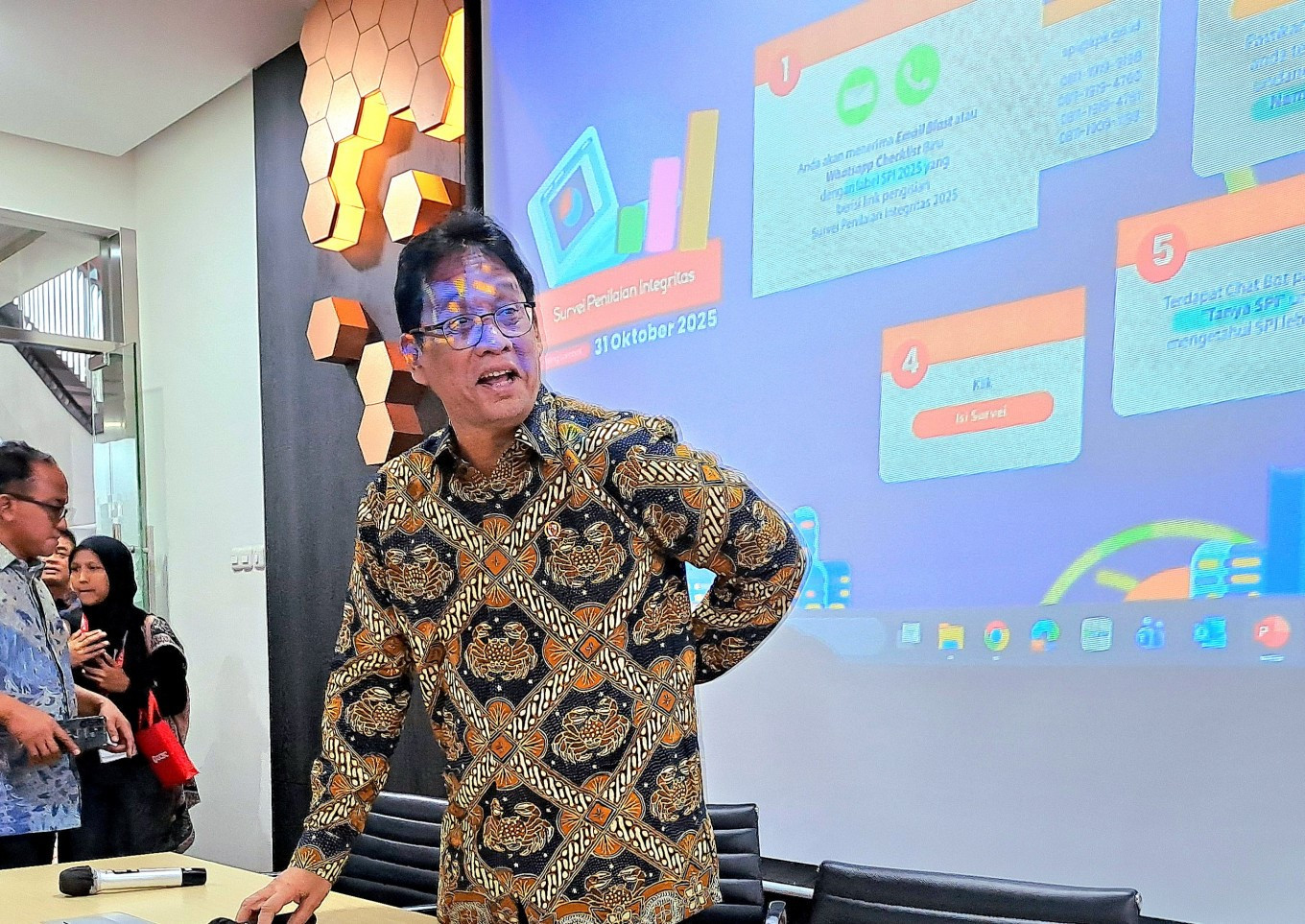 Finance Minister Purbaya Yudhi Sadewa stands at the front of the press room before he provides a briefing to the press on Oct. 24, 2025, at the Finance Ministry in Central Jakarta. (JP/Deni Ghifari)
S
ince being inaugurated as Finance Minister on Sept. 8, 2025, Purbaya Yudhi Sadewa has pursued a more aggressive, open and pro-growth fiscal policy, a marked contrast to the cautious, discipline-first approach of his predecessor. This transition signaled a new era of Indonesian economic management, one prioritizing immediate stimulus over long-term buffer preservation.
However, after six months of implementation, these policies have not been met with the positive market response the administration anticipated. This article examines the nuanced impacts of several key fiscal shifts during Purbaya’s tenure and the risks they pose to Indonesia’s institutional credibility.
The surplus budget balance (SAL) represents the hard-won accumulation of the annual surplus budget financing balance (SiLPA). These reserves were built painstakingly and carefully over many years, serving as a strategic defense mechanism. The trauma of the 1998 Asian financial crisis taught a vital lesson: Cash adequacy is paramount. A government can lose its international credibility almost overnight if it lacks the sufficient liquidity to meet its immediate obligations.
Historically, the SAL was funded by state revenues exceeding targets, rigorous spending efficiencies, and the maintenance of optimal debt levels. While keeping a large SAL, currently Rp 420 trillion (US$24 billion) carries an undeniable opportunity cost, as these funds could otherwise be used to pay down high-interest debt, previous administrations chose to maintain this buffer to safeguard public confidence. Traditionally, the SAL was held in the treasury single account (TSA) at Bank Indonesia (BI), earning interest close to the BI rate.
The current challenge arises because Purbaya views the SAL essentially as "idle cash" that is being wasted by sitting in the central bank. He has opted to reallocate Rp 300 trillion into himbara (state-owned) banks, intended to stimulate private credit and jumpstart domestic economic movement.
However, market indicators suggest that himbara banks are not currently facing liquidity shortages; their lending capacity is limited by demand and risk appetite, not a lack of capital. Consequently, this policy is viewed skeptically by analysts. It places an undue liquidity management burden on the banks, weakens the government’s perceived emergency cash availability, and complicates monetary policy by forcing BI to absorb the resulting excess liquidity to keep inflation and exchange rates stable.

Indonesia has long earned international praise for its unwavering fiscal discipline, characterized by a legal deficit cap of 3 percent of gross domestic product, a limit rarely breached, even during global downturns, except for the COVID-19 pandemic. By the end of February 2026, the budget deficit has already reached 0.53 percent of GDP. While the government’s proactive front-loading of expenditures is commendable, serious questions remain regarding the revenue side of the ledger. In 2025, state revenue reached only 91.7 percent of its target, and new, sustainable revenue streams remain elusive.