The Jakarta Post
Please Update your browser
Your browser is out of date, and may not be compatible with our website. A list of the most popular web browsers can be found below.
Just click on the icons to get to the download page.


Popular Reads
Top Results
No results found. Please check your search term and try again
Can't find what you're looking for?
View all search results
Popular Reads
Top Results
No results found. Please check your search term and try again
Can't find what you're looking for?
View all search resultsThe unraveling order - and Indonesia’s strategic opening
For Indonesia, the question is not whether the world is becoming more uncertain; it is whether Jakarta is prepared to convert that uncertainty into influence.
Change text size
Gift Premium Articles
to Anyone
Share the best of The Jakarta Post with friends, family, or colleagues. As a subscriber, you can gift 3 to 5 articles each month that anyone can read—no subscription needed!
 Set as preferred source
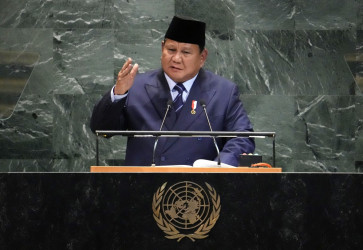
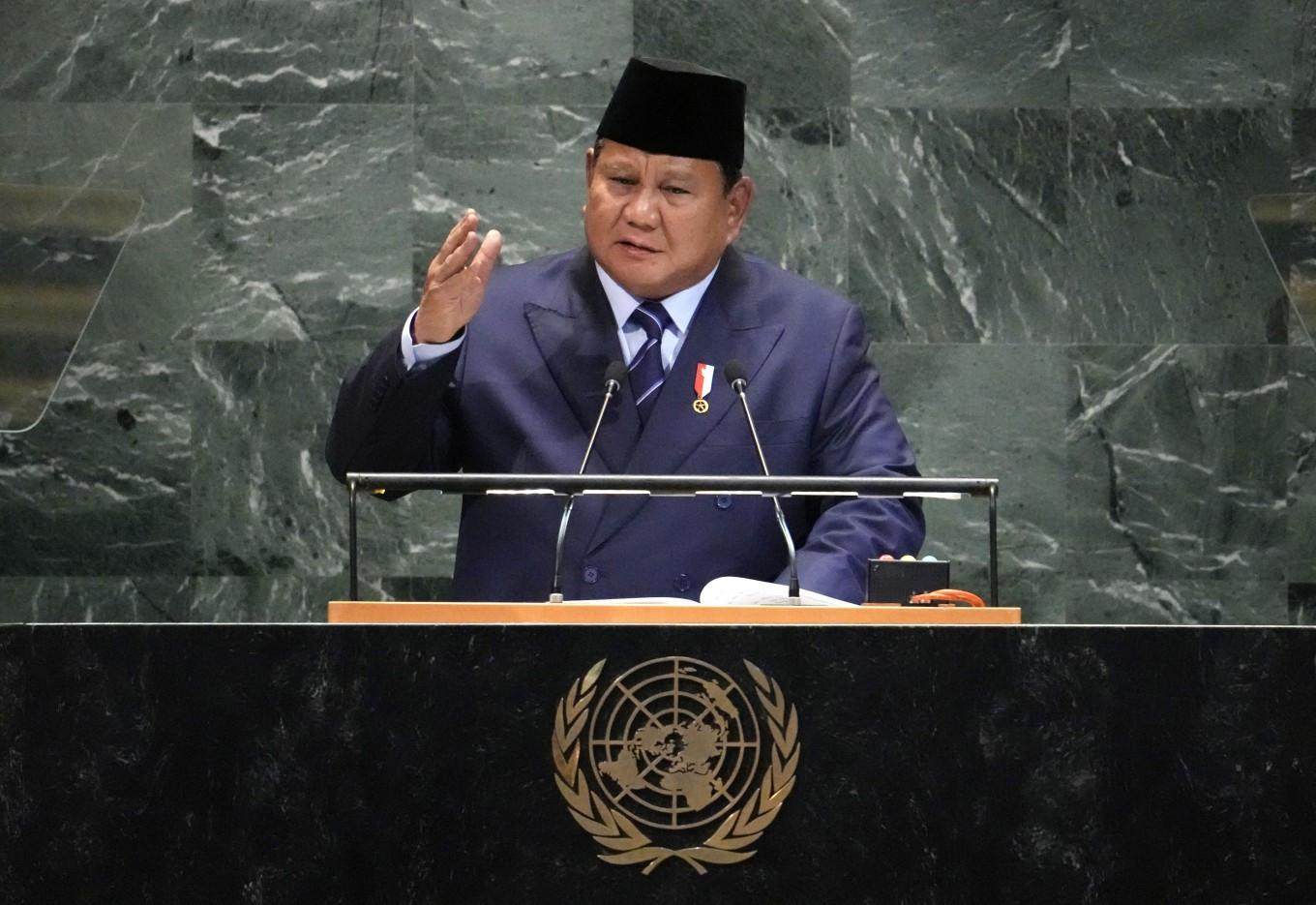 President Prabowo Subianto speaks on Sept. 23, 2025, during the General Debate of the United Nations General Assembly at the UN headquarters in New York City, the United States. (AFP/Timothy A. Clary)
F
or decades, the post-Cold War international system rested on a familiar architecture: United States leadership, multilateral institutions and a web of alliances that - however imperfectly -anchored global trade, security and diplomacy. That architecture is now under visible strain.
Washington’s growing skepticism toward multilateral institutions, its periodic hostility toward the United Nations, wavering commitment to NATO and increasingly unilateral posture in the Middle East signal not simply policy shifts, but something deeper: a recalibration of the US’ role in the world.
This recalibration carries unintended consequences. It weakens the very norms and institutions that once amplified American influence. It complicates relationships with long-standing partners - particularly in the Muslim-majority world - where US alignment with Israel has made political cooperation more costly for allied governments. And it creates uncertainty in global markets, where predictability has long been underwritten by US-led institutions.
But systemic loosening is not just destabilizing - it is generative. As great-power coherence erodes, strategic space opens for middle powers to maneuver, hedge and shape outcomes in ways that were previously constrained. Indonesia is uniquely positioned to take advantage of this moment.
Since independence, Jakarta has adhered - at least rhetorically - to the doctrine of bebas dan aktif (independent and active), nonaligned foreign policy. In practice, however, structural realities, most notably the Cold War, limited the extent of that independence. The gravitational pull of US leadership, the rigidity of Cold War alignments and later the dominance of Western-led financial and security institutions constrained the scope of Indonesian agency. That constraint is loosening.
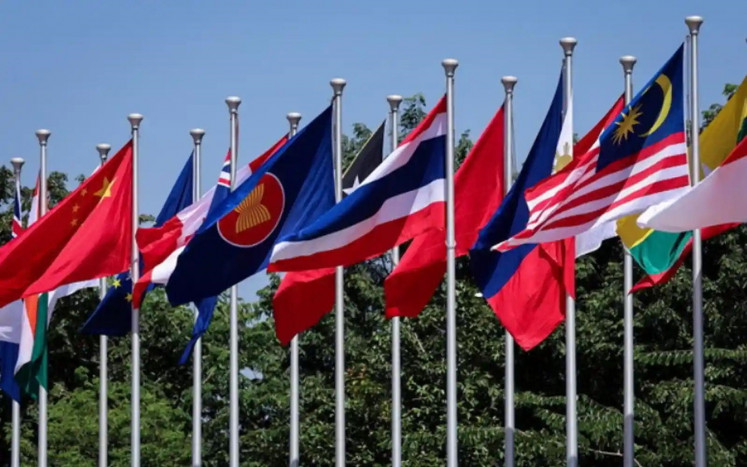
Today’s emerging order is less hierarchical, more transactional and increasingly regionalized. This favors states like Indonesia that possess demographic weight, economic potential and diplomatic credibility across multiple blocs. Indonesia is not merely “nonaligned”; it is multi-aligned - able to engage China economically, cooperate with the US on security, participate in Global South coalitions and maintain leadership within ASEAN.

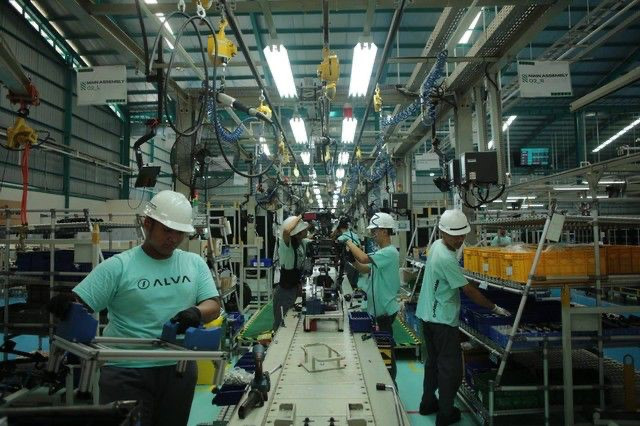
The opportunity here is not abstract. Economically, Indonesia can deepen its role as a node in diversified supply chains, particularly as firms seek to derisk from overdependence on China. Politically, Jakarta can leverage its credibility in both Islamic and non-aligned contexts to mediate conflicts and shape consensus where traditional Western leadership is either unwelcome or ineffective.