TheJakartaPost

Please Update your browser

Your browser is out of date, and may not be compatible with our website. A list of the most popular web browsers can be found below.
Just click on the icons to get to the download page.


Jakarta Post

Counter-pandemic jazz festival: Romanticizing history

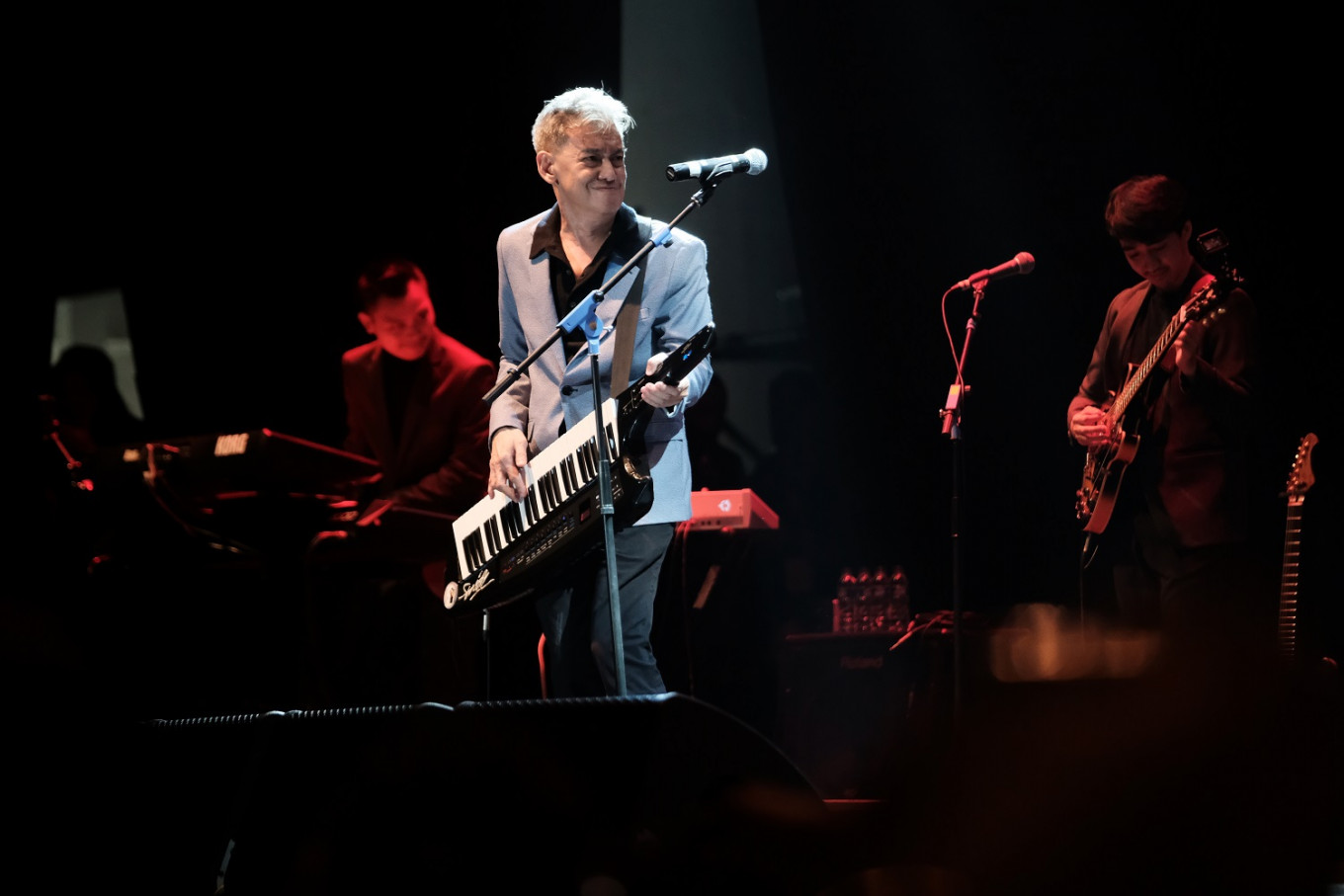
Jazz Gunung Ijen signaled that the jazz ecosystem could survive. It was expected to mark a turning point for the recovery of the creative economy and tourism sector.

Luki Safriana (The Jakarta Post)
Jakarta
Sat, May 22, 2021 Published on May. 21, 2021 Published on 2021-05-21T23:45:35+07:00

Change text size

Gift Premium Articles
to Anyone

Share the best of The Jakarta Post with friends, family, or colleagues. As a subscriber, you can gift 3 to 5 articles each month that anyone can read—no subscription needed!

“We have to remain optimistic, and I’m certain things will get better. The ongoing vaccination and the slow but steady decline of the infection rate are very strong signs. The government has worked hard in terms of infrastructure, the internet is more evenly available, and I’m proving it today, right now, in this jazz forum. In 2022, I hope that jazz festivals in Indonesia will return to normal,” said Peter F. Gontha during the Indonesian Jazz Forum webinar on April 9.

The statement is an important message of struggle that should be amplified. Featuring other speakers Triawan Munaf and Sigit Pramono of Jazz Gunung, the webinar discussed the prospects for Indonesian jazz festivals after the pandemic.

According to Candra Darusman, chairman of the Indonesian Musician Federation, as of June 2020 some 200 music festivals throughout the country had to be cancelled because of the pandemic. Jazz Gunung should be applauded for its decision to continue hosting the Jazz Gunung Ijen event in late 2020. Under normal circumstances, the amphitheater for Jazz Gunung Ijen can accommodate 1,000 people, but during the pandemic the occupancy was reduced to 300 people.

The organizers implemented mandatory swab tests, mandatory mask wearing and mandatory physical distancing to comply with health protocols.

This music festival had its own challenges, especially from the event management viewpoint, which had to adjust to health protocols and optimize the audience’s experience. The organizers wanted to present a festival that rivaled normal ones.

Jazz Gunung Ijen signaled that the jazz ecosystem could survive. It was expected to mark a turning point for the recovery of the creative economy and tourism sector. After Jazz Gunung, Prambanan Jazz was held virtually with a hybrid concept from Oct. 31 to Nov. 1, 2020, right at Prambanan Temple. The festival spirit flowed to Yogyakarta with the presence of Ngayogjazz later, from Nov. 19 to 21, with a provocative theme, “Ngejazz Tak Gentar” (Jazz no fear).

Along with International Jazz Day, Batam Jazz was held with the theme “Rising Riau Island” from March 27 to 28. It was the sixth jazz festival ever held by the Batam Jazz Society. The Java Jazz Festival was fortunate enough to be held prior to the pandemic, from Feb. 28 to March 1, 2020, at JIExpo Kemayaron. On the other hand, the Ubud Jazz Festival had to be postponed.

The origin of the word “jazz” is one of the most sought after in modern American English. Jazz started as a slang term on the United States’ West Coast around 1912. The meaning of the word varied, but it did not initially refer to music. Jazz only came to be associated with jazz music in Chicago around 1915.

Jazz came to Indonesia in 1919 through European musicians. The genre experienced a peak of popularity in the country in the 1950s. From the 1980s to the 1990s, jazz climbed back in popularity because of a series of famous musicians who claimed to be bringing back jazz, the music associated with the older generation. Ireng Maulana, Elfa Secoria and Benny Likumahuwa presented jazz that the younger generation could enjoy and suited the dance floor.

In the 2000s, the development of jazz seemed to focus on how to ensure that the genre could be accepted by all ages. Televisions also started airing jazz music. Musicians like Andien, Maliq & D’Essentials, Raisa and Dewa Budjana, as well as the presence of music festivals further boosted its popularity.

The Java Jazz Festival played quite a significant role in popularizing jazz in Indonesia. Peter Gontha, who initiated the festival more than 15 years ago, said he was inspired by the North Sea Jazz Festival in Den Haag, the Netherlands.

After that, a number of jazz festivals emerged in Indonesia, such as the International Jazz Festival (Jakjazz), which was initiated by Ireng Maulana, Ngayogjazz, which is held in villages around Yogyakarta, and Jazz Gunung, which was initiated by the late Djaduk Ferianto. Those festivals helped the spread of jazz music in the 2000s to a bigger market. As cultural tourism events, Ngayogjazz and Jazz Gunung have a certain down-to-earth, classy and iconic impression.

Around 30 major jazz festivals are all facing the same pandemic. A strong synergy will be needed to hold quality jazz festivals that comply with health protocols. Perhaps until the end of 2021, jazz festivals will continue to fight for survival.

The options of going online or going hybrid are just as complicated, but the jazz community is left with no other choice. The government is also required to support the festivals by providing subsidies in the form of free swab tests for audience members and performers.

Digitalization and data collection in the jazz ecosystem is becoming very important, especially regarding the mapping of jazz festivals and local jazz artists. This is a task for the Tourism and Creative Economy Ministry.

It is not impossible that jazz festivals will become one of main drivers of the music industry in the future. Aside from being part of “world music”, jazz’s unique and charming market segment helps boost the number of visitors.

Unique, adaptive, professional and collaborative festival management is the key to the festivals’ success. The effort to increase the number of jazz festival organizers throughout Indonesia also need continuous support to achieve an even distribution.

Finally, there needs to be more space for music festivals and less fixation on meetings, incentives, conferences and exhibitions (MICE). Just like jazz musician Indra Lesmana’s popular song, “Aku Ingin” (I wish), may the pandemic pass soon, so we can go back to singing jazz in fun festivals.

 ***

The writer is a part-time lecturer for the Event Program at the University of Prasetiya Mulya.

Your Opinion Matters

Share your experiences, suggestions, and any issues you've encountered on The Jakarta Post. We're here to listen.

Enter at least 30 characters
0 / 30

Thank You

Thank you for sharing your thoughts. We appreciate your feedback.

Share options

Quickly share this news with your network—keep everyone informed with just a single click!

Change text size options

Customize your reading experience by adjusting the text size to small, medium, or large—find what’s most comfortable for you.

Gift Premium Articles
to Anyone

Share the best of The Jakarta Post with friends, family, or colleagues. As a subscriber, you can gift 3 to 5 articles each month that anyone can read—no subscription needed!

Continue in the app

Get the best experience—faster access, exclusive features, and a seamless way to stay updated.