TheJakartaPost
Please Update your browser
Your browser is out of date, and may not be compatible with our website. A list of the most popular web browsers can be found below.
Just click on the icons to get to the download page.


Popular Reads
Top Results
No results found. Please check your search term and try again
Can't find what you're looking for?
View all search results
Popular Reads
Top Results
No results found. Please check your search term and try again
Can't find what you're looking for?
View all search resultsE-commerce boom drives demand for sustainable supply chains
As retailers benefit from the significant increase in e-commerce orders – Southeast Asia saw more than 60 percent increase in gross merchandise value (GMV) to US$62 billion in just one year in 2020 – more needs to be done to ensure the sustainability of supply chains.
Change text size
Gift Premium Articles
to Anyone
Share the best of The Jakarta Post with friends, family, or colleagues. As a subscriber, you can gift 3 to 5 articles each month that anyone can read—no subscription needed!
T
he COVID-19 pandemic has triggered a dramatic e-commerce boom, altering the way companies do business. It has also changed consumer buying experiences, shifting the retail landscape.
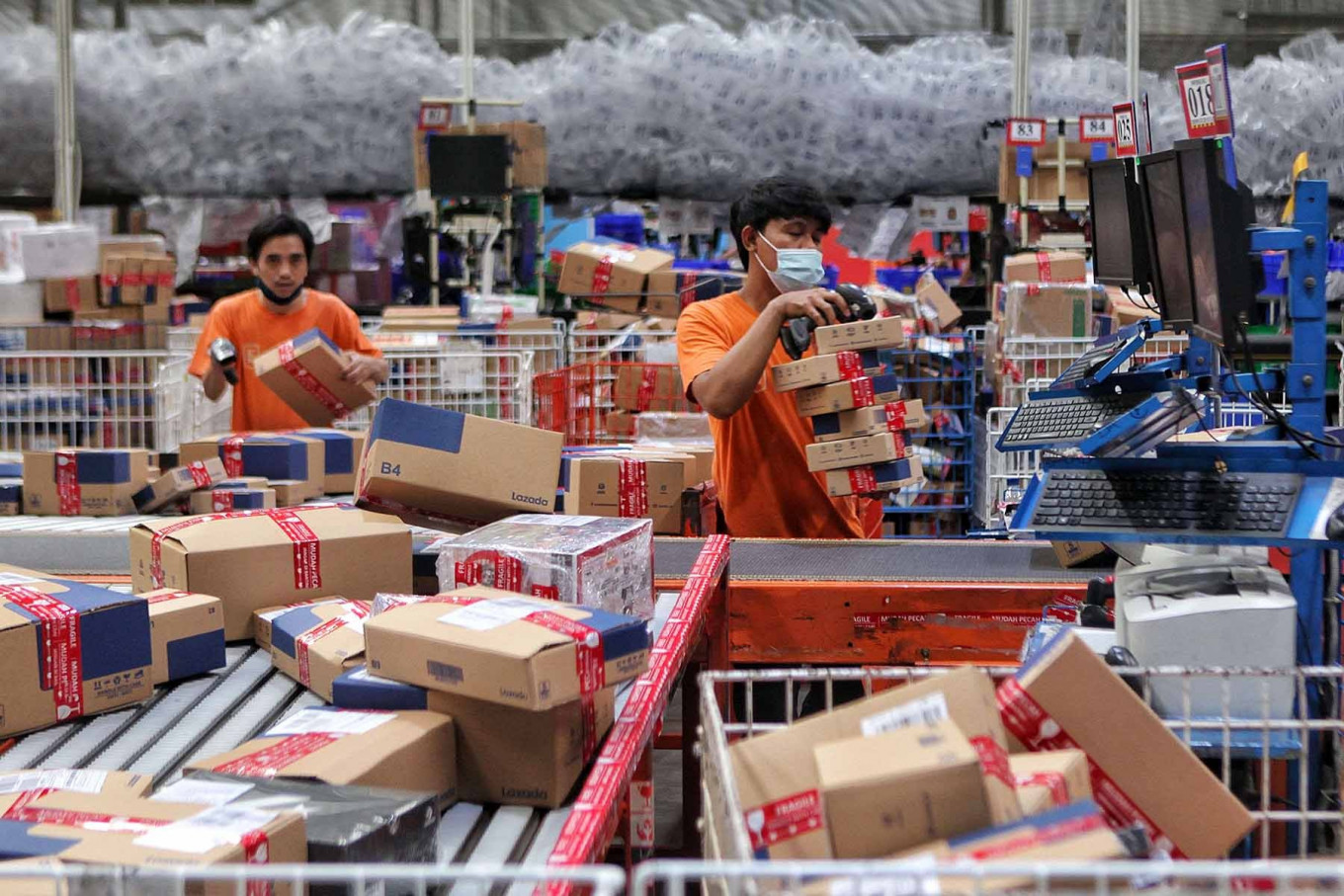
As retailers benefit from the significant increase in e-commerce orders – Southeast Asia saw more than 60 percent increase in gross merchandise value (GMV) to US$62 billion in just one year in 2020 – more needs to be done to ensure the sustainability of supply chains.
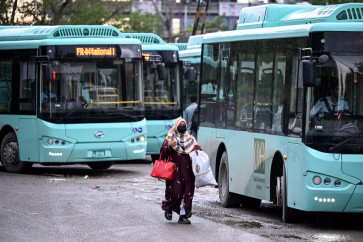
Increased growth of deliveries is driving up the use of last-mile delivery vehicles. The result is a rise in emissions from last-mile services, which are only set to increase by more than 30 percent in 100 cities globally. Unfortunately, as companies focus on getting goods to consumers quickly, inefficiencies mean that some of these vehicles are not running at capacity via indirect routes.
In today’s world where consumers are becoming increasingly environmentally and socially conscious, the transport and logistics sector needs to focus on operating sustainably. This is not just for corporate governance and operational savings, but to establish their social license to operate and become more environmentally conscious.
Consumer focus on the environmental and social impact of the companies and businesses they buy from has been around for some time, but more people are becoming aware. Today, almost half of Southeast Asia consumers expect retailers to eliminate plastic bags and plastic wrapping for perishable items, while slightly over half expect businesses to be accountable for their environmental impact.
Meanwhile, research has found that companies that successfully match customers’ sustainability expectations are rewarded with customer loyalty and an increase in revenue growth. This means that businesses must have visibility in their supply chains to trace raw material inputs to last-mile delivery, further underscoring the need for sustainable supply chains.
Those who have adapted their business and operating models, and created more agile supply chains to meet the boom in e-commerce, have found themselves ahead of the race during these unsettling times.
The role of technology in transport and logistics has evolved significantly over the past decade but never so quickly or dramatically as in response to COVID-19.
Many operators have taken up route optimization to improve customer experience and reduce carbon footprint. Others have considered the type of fuel they use.
E-commerce has put an immense pressure on last-mile logistics with customers placed as top priority. But what happens when customers don’t quite understand the difference between cheap and fast deliveries to sustainable supply chains?
As operators have raced to deliver order volumes over various online shopping festivals, the question remains whether cost to service is being covered. Those who can optimize their costs are more likely to reduce their carbon footprint.
But if you’re over servicing, which is what we’re seeing as a logistics and supply chain consultancy, then a levy such as road user charge or carbon charge, such as Singapore and Vietnam’s respective carbon tax and carbon pricing policy, might be necessary.
Senior supply chain executives face sustainability issues daily as they look to ensure the organization’s activities are aligned to the expectation of shareholders, including internal and external stakeholders. Having the capability and metrics in place to identify and communicate social, environmental, and economic achievements is paramount to embedding sustainability thinking within an organization.
Supply chain strategies should enable businesses to exceed sustainability ambitions across logistics functions. Some organizations have also the added importance of complying with legislative requirements. Setting the right targets is crucial, including making emissions a critical key performance indicator for companies.
As businesses have been forced to adopt new ways of working – from just surviving the pandemic to truly thriving – a learning curve might just become the springboard for sustainability.
It is unlikely that the explosion in online shopping and business-to-consumer (B2C) is going away any time soon. Leading companies need to find ways to become more efficient and adapt to the new normal; whether it be understanding the cost to service or their logistics profile by expanding from a large warehouse into multiple smaller ones in order to deliver on time, like Amazon in the United States has done.
Industrial occupiers across Southeast Asia have been incorporating sustainable practices in their facilities for a while now. Many have also been investing in solar panels and water recycling plants among other environmental-friendly initiatives in industrial property, which is ultimately reducing carbon emissions.
Tenants are also now seeking sites that are minimally Leadership in Energy and Environmental Design (LEED) Gold or Platinum standard certified or Green Mark Platinum rated, along with a requirement for LED lighting and efficient ventilation system. This demand is set to continue driving green initiatives in the industrial property market.
As the pandemic has pushed the industry ahead by around five years, turbocharging the growth of online retail, now’s the time to take charge of sustainable supply chains.