The Jakarta Post
Please Update your browser
Your browser is out of date, and may not be compatible with our website. A list of the most popular web browsers can be found below.
Just click on the icons to get to the download page.


Popular Reads
Top Results
No results found. Please check your search term and try again
Can't find what you're looking for?
View all search results
Popular Reads
Top Results
No results found. Please check your search term and try again
Can't find what you're looking for?
View all search resultsLet’s talk about teachers’ mental health
There is a gap in the protection of teachers, as mental health is not covered despite reports of mental burdens and chronic stress facing the educators.
Change text size
Gift Premium Articles
to Anyone
Share the best of The Jakarta Post with friends, family, or colleagues. As a subscriber, you can gift 3 to 5 articles each month that anyone can read—no subscription needed!
 Set as preferred source
E
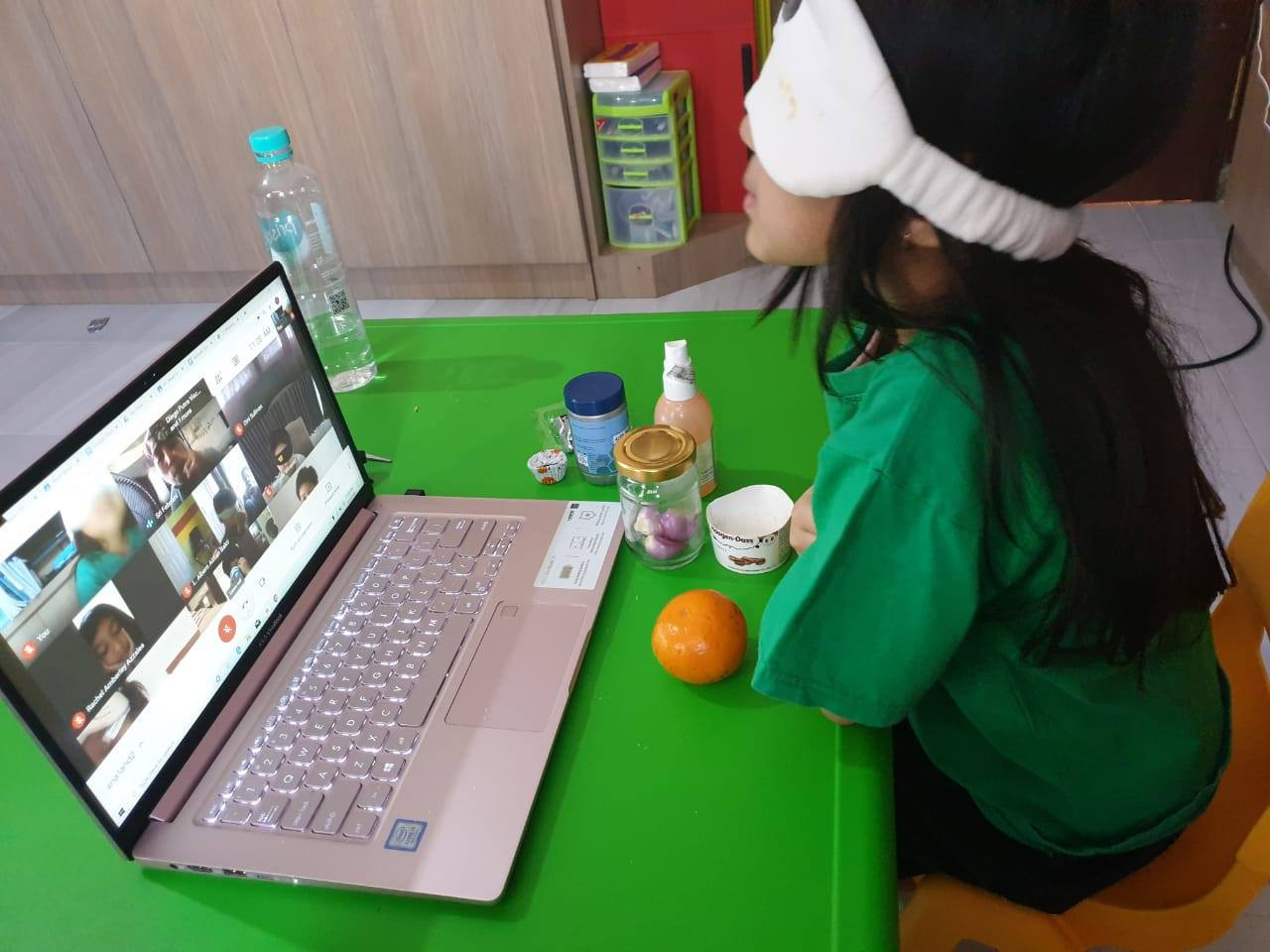
ver since schools were closed, ibu Tersih has to spend five more extra hours every day teaching online and preparing teaching materials. She had been really looking forward to seeing some of her students in person again in the new school year, but the emergency public activity restrictions (PPKM Darurat) mean things are not really going to return to normal anytime soon.
She closed her laptop and sighed, “When will this end?”
Even in normal times, Indonesian teachers have reported extreme stress as a result of work overload, poor working conditions and having to keep up with policy changes. The pandemic only exacerbates the situation.
For teachers, the transition to online teaching has increased mental pressures as they are expected to adapt, plan and instruct while having to deal with the constraints of distance learning, such as miscommunication, student discipline, screen fatigue and more.
While it is true that mental health has already been a topic of discussion even before the COVID-19 outbreak, teachers have remained left out. Studies have shown a significant relationship between teachers’ mental health, their efficacy and the quality of their student’s overall education experience. Child, adolescent and family psychologist Rosdiana Setyaningrum believes that the impact of home-based learning on students’ mental health is affected by their teacher’s methods and motivation.
Article 39 of Law No. 15/2005 on teachers and lecturers stipulates that teachers are entitled to protection against occupational safety and health hazards, but the definition of health risks in the “work environment” remains vague. The understanding of the term “health” under this law suggests that it only pertains to physical health. There is a gap in the protection of teachers, as mental health is not covered despite reports of mental burdens and chronic stress faced by educators.
We talk — if not complain — a lot about the “low quality of education” in Indonesia, yet we have, perhaps unintentionally, overlooked the implication of teachers’ mental health on the overall performance and learning experience of the students. So, how can we support and protect our teachers, especially in times of crisis?