TheJakartaPost
Please Update your browser
Your browser is out of date, and may not be compatible with our website. A list of the most popular web browsers can be found below.
Just click on the icons to get to the download page.


Popular Reads
Top Results
No results found. Please check your search term and try again
Can't find what you're looking for?
View all search results
Popular Reads
Top Results
No results found. Please check your search term and try again
Can't find what you're looking for?
View all search resultsHealth Ministry aims to integrate mental health care services
Change text size
Gift Premium Articles
to Anyone
Share the best of The Jakarta Post with friends, family, or colleagues. As a subscriber, you can gift 3 to 5 articles each month that anyone can read—no subscription needed!
T
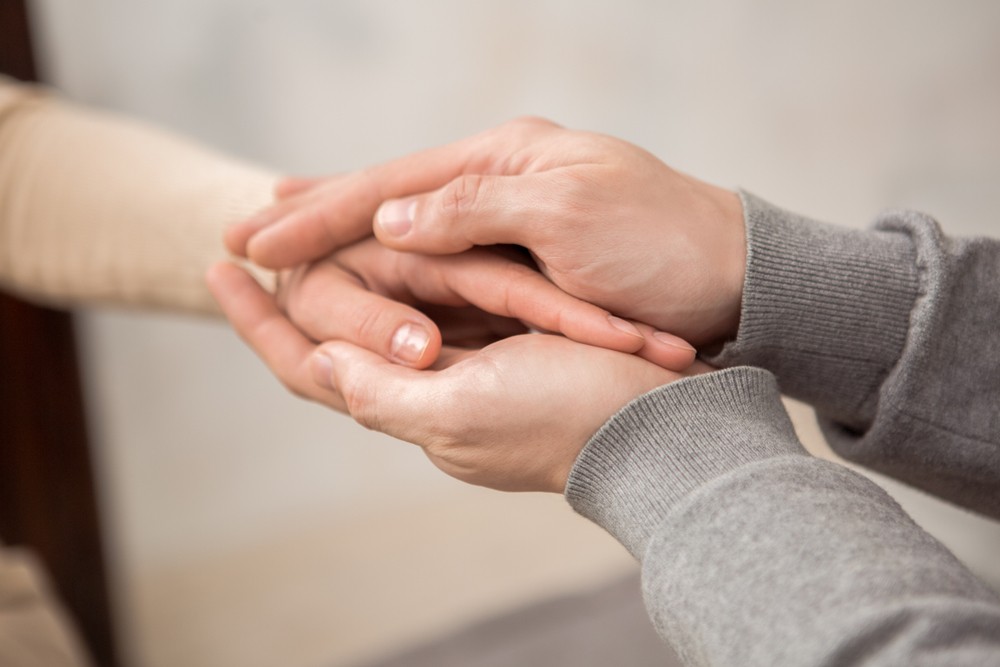
he Health Ministry has said it planned to integrate healthcare services for mental health patients between psychiatric hospitals and community health centers (Puskesmas) in a bid to make psychiatric treatment available to more Indonesians in the future.
Health Ministry director of prevention and control for mental health problems and drugs Celestinus Eigya Munthe said expanding the capacity of Indonesia’s healthcare system to cater to mental health issues in the population was crucial, given the increase in the prevalence of mental health problems during the pandemic.
According to ministry data, around 20 percent of the population, or about 54 million people, are at risk of developing mental health issues. Meanwhile, there were only 1,053 psychologists across the country, Celestinus added, pointing to the huge burden that could be shouldered by healthcare workers in treating mental health issues.
In the planned integrated response, Celestinus said psychiatrists from mental hospitals would be involved in giving care recommendations to patients from community care centers, as well as educating the healthcare workers in Puskesmas on caring for mental health patients.
“We hope that these [psychiatric] hospitals can act as supervisors to optimize the treatment for mental health patients in the Puskesmas around the hospitals,” Celestinus said in a webinar on Wednesday.
“From this integration, we hope that Puskesmas can give quality [mental health] care, the people can receive preventive care for their mental health and be referred to a hospital should further care be needed.”
Along with the integration, the ministry also aimed to upgrade the capability of healthcare workers in the Puskesmas. Currently, there are 6,000 Puskesmas, out of 10,000 total, that provide services to treat mental health issues.
“We aim to make mental healthcare [services] available in all Puskesmas, by improving the capability of health workers in these centers to care for mental health patients, as well as ensuring that the drugs needed to treat patients are available,” Celestinus said.
Read also: Reaching out, resilience, key to tackling mental health problems during the pandemic
The government’s focus on expanding mental health care to more Puskesmas is in line with that of the World Health Organization, which has also focused their campaign for World Mental Health Day – celebrated every Oct. 10 – on scaling up access to quality mental health care.
According to a recent report by the organization, only 25 percent of its members reported that they had integrated mental health care into primary care. The report also took note of the low level of public expenditure on mental health, at 2.1 percent on average globally.
Indonesian Psychiatrists Association (PDSKJI) head Diah Setia Utami welcomed the government’s initiative. She said, in reference to WHO’s mental health pyramid, care for mental health patients was often carried out by family members and primary healthcare facilities.
“It is a welcome innovation by the Health Ministry to increase accessibility to mental health care,” said Diah. “Naturally, [the government] needs to prepare human resources and care facilities, particularly medicines to treat mental health conditions, so it could be better than before.”