TheJakartaPost
Please Update your browser
Your browser is out of date, and may not be compatible with our website. A list of the most popular web browsers can be found below.
Just click on the icons to get to the download page.


Popular Reads
No popular reads data found
Top Results
No results found. Please check your search term and try again
Can't find what you're looking for?
View all search results
Popular Reads
No popular reads data found
Top Results
No results found. Please check your search term and try again
Can't find what you're looking for?
View all search resultsBeirut-blast
Lifestyle 4 years ago
Grief and wrath as Lebanon marks year since deadly blast
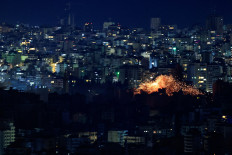
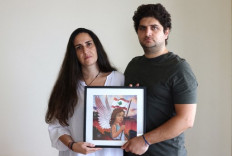
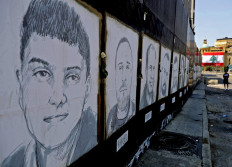
Lebanon on Wednesday marked a year since a cataclysmic explosion ravaged Beirut, with a mix of grief over lost lives and rage at the impunity for its worst peacetime disaster at a time when its economy was already in tatters.
World 5 years ago
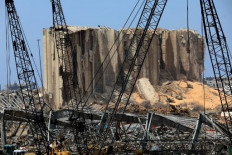
FBI found Beirut port blast caused by 500 tonnes of fertilizer: PM
The prime minister, who resigned in the wake of the blast that killed more than 200 people, had previously said that more than 2,700 tonnes of ammonium nitrate fertilizer had been stored haphazardly at a port warehouse for years.

Art & Culture 5 years ago
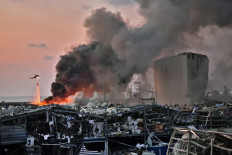
'Rise from the rubble': Lebanese artist turns blast debris into symbol of hope
She stands nearly three meters tall with her arm raised, the wind whipping the hair away from her scarred face, and a broken clock at her feet with the hands showing 6.08, the time that a blast ripped through Beirut port on the evening of Aug. 4.
World 5 years ago
Hundreds of disillusioned doctors leave Lebanon, in blow to healthcare
In the past year, Lebanon has been through a popular uprising against its political leaders, the bankruptcy of the state and banking system, a COVID-19 pandemic and, in August, a huge explosion at the port that destroyed swathes of Beirut.
Art & Culture 5 years ago
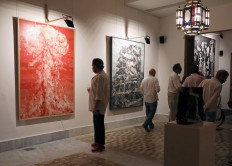
Channeling 'anger into art', artists in Beirut process blast
With the debris cleared, the halls of a heritage building are now open to visitors to view more than 100 works of art by mostly Lebanese and Arab artists, reflecting on the explosion itself and also the turmoil and wars of past decade.