The Jakarta Post
Please Update your browser
Your browser is out of date, and may not be compatible with our website. A list of the most popular web browsers can be found below.
Just click on the icons to get to the download page.


Popular Reads
Top Results
No results found. Please check your search term and try again
Can't find what you're looking for?
View all search results
Popular Reads
Top Results
No results found. Please check your search term and try again
Can't find what you're looking for?
View all search resultschina-indonesia

Opinion 6 years ago
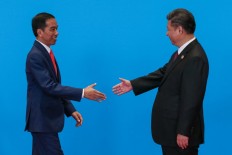
‘Gong xi fa cai’ from President Jokowi to President Xi Jinping
The two countries will mark 70 years of their relationship (actually 45 years because of the 25-year hiatus), which has become more intimate over the last five years. As true friends, they should be able to put differences behind much broader common interests.
Opinion 6 years ago
PREMIUM
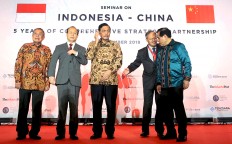
Insight: Indonesia needs new strategy to deal with China
The latest encroachment on Indonesian waters by Chinese fishing vessels and the Chinese coast guard several days ago highlights a fundamental reality: China could ignore Indonesia’s interests and concerns because it can.

Opinion 6 years ago
Keeping Chinese fishing vessels from Natuna, defending people’s welfare
The latest incidents in the North Natuna Sea should serve as another wake-up call for the government to immediately and expediently improve the country’s naval and other related capabilities to safeguard the sovereign rights of the nation, particularly on the southern fringe of South China Sea.



Opinion 6 years ago
PREMIUM
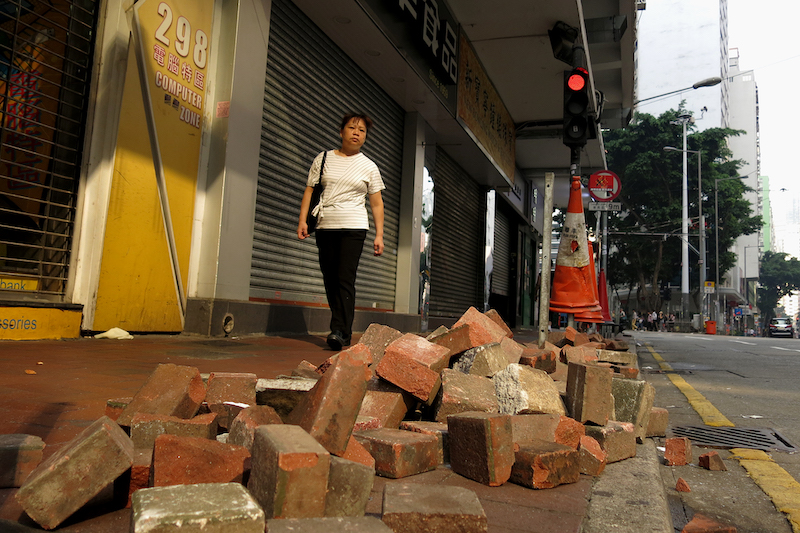
Indonesia must speak out for citizens' protection in Hong Kong
As the world’s third-largest democracy, Indonesia should now speak out about the crisis in Hong Kong — and the even more chronic human rights violations in China. When its own citizens are attacked, detained, expelled or mistreated in Hong Kong, Indonesia has a responsibility to make its voice heard.
Editorial 6 years ago
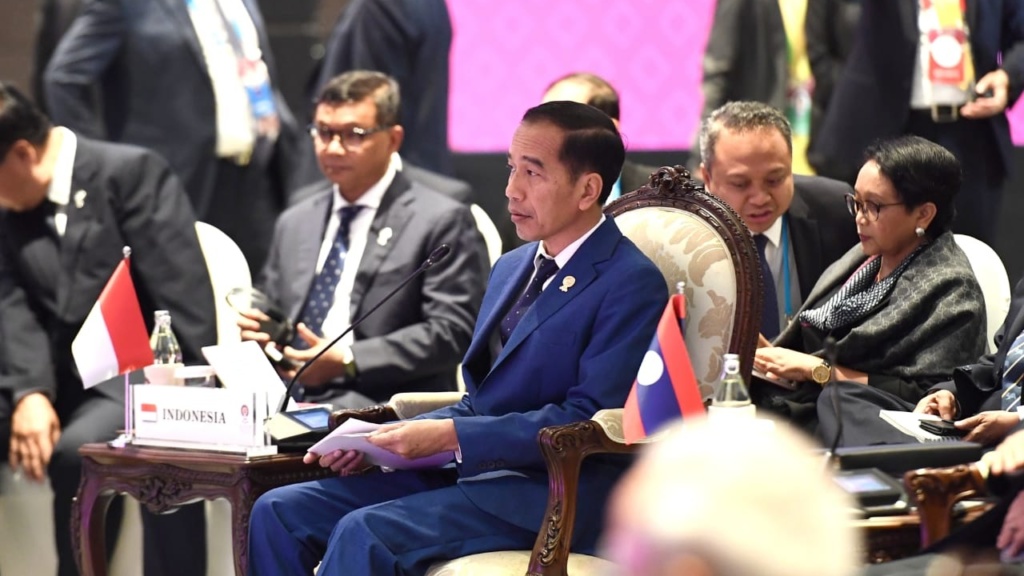
The weight of a giant
President Joko “Jokowi” Widodo’s acknowledgment on the weekend of Southeast Asia’s need for closer cooperation with China may very well be motivated by overarching domestic concerns, but the gesture might have far bigger consequences than we can readily discern.

Opinion 6 years ago
PREMIUM
(Anti) Corruption in China’s Belt and Road Initiative
According to the Chinese Communist Party’s Central Commission for Discipline Inspection (CCDI), by 2017, the anticorruption drive had investigated more than 2.7 million officials, penalized more than 1.5 million people and criminally convicted 58,000, including more than 120 “tigers” (high-ranking civilian and military officials).
Editor's Picks
Popular
- Not the Ministry of Magic
- PISA gains belie Indonesia’s persistent education crisis
- Safeguarding Indonesia's AI future
- Suahasil seen to prioritize fiscal discipline, continuity
- Hundreds of flights cancelled as Typhoon Dujuan nears Japan
- Twenty years on, BRICS faces a defining choice
- Recentralization concerns in fiscal, education heighten
- Indonesia doing 'everything' but struggling to curb fires
- Indonesia prepares for new era of naval power
- Jakarta water shortages worsen as dry season drags on


