The Jakarta Post
Please Update your browser
Your browser is out of date, and may not be compatible with our website. A list of the most popular web browsers can be found below.
Just click on the icons to get to the download page.


Popular Reads
Top Results
No results found. Please check your search term and try again
Can't find what you're looking for?
View all search results
Popular Reads
Top Results
No results found. Please check your search term and try again
Can't find what you're looking for?
View all search resultsdonald-trump
Markets 2 days ago
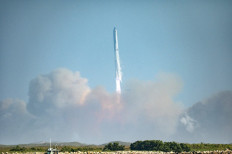
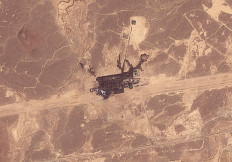
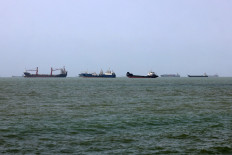
Oil prices jump more than 2 percent after new strikes on Saudi, Strait of Hormuz
Oil prices had been expected to rise on Monday amid growing concerns about risks to supply from Saudi Arabia, the world's largest oil exporter, whose East-West oil pipeline was shut on Friday by a drone strike that originated in Iraq.






Editor's Picks
Popular
- Much ado about asset forfeiture
- Mass poisonings cast doubt on free meals reforms
- Indonesia, China eye cooperation to boost 3 million homes program
- Prabowo sacks Purbaya, turns to familiar hand at Finance Ministry
- Children are no longer the priority, were they ever?
- The benefit of the doubt has expired
- Australian woman dies after falling from cliff at Bali’s Kelingking Beach
- Wildfire breaks out again at Mount Bromo
- Purbaya says he was 'upset', but half expected removal
- Suahasil seen to prioritize fiscal discipline, continuity


