TheJakartaPost
Please Update your browser
Your browser is out of date, and may not be compatible with our website. A list of the most popular web browsers can be found below.
Just click on the icons to get to the download page.


Popular Reads
No popular reads data found
Top Results
No results found. Please check your search term and try again
Can't find what you're looking for?
View all search results
Popular Reads
No popular reads data found
Top Results
No results found. Please check your search term and try again
Can't find what you're looking for?
View all search resultsHong-Kong-autonomy
World 5 years ago
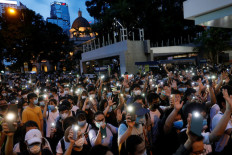
Hong Kong security law will not be retroactive: Chinese official
Hong Kong's national security legislation will not punish people retroactively, a senior Chinese official said on Monday, touching on a key question raised by local residents, diplomats and foreign investors over the controversial law.
World 5 years ago
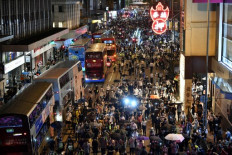
Anniversary protests as Hong Kong democracy movement faces triple threat
Several thousand demonstrators marched in Hong Kong on Tuesday evening -- defying authorities a year after huge pro-democracy protests erupted -- as the movement struggles in the face of arrests, coronavirus bans on crowds and a looming national security law.
World 5 years ago
Hong Kong police arrest 53 during fresh pro-democracy protests
Hong Kong police arrested 53 people during protests on Tuesday evening that saw hundreds of activists take to the streets, at times blocking roads in the heart of the global financial hub, before police fired pepper spray to disperse crowds.

World 5 years ago
A year on, Hong Kong democracy protesters torn between hope and fear
The protests succeeded in forcing a backdown by the Hong Kong government on proposed legislation that would have allowed extradition to mainland China. But a year later, authorities in Beijing are drafting national security laws that activists fear would further curb freedoms.


World 5 years ago
China faces mounting pressure over Hong Kong security law
China faced growing international pressure Friday over its move to impose a security law on Hong Kong that critics say will destroy the city's autonomy, with the United States and Britain placing the issue before the UN Security Council.
World 5 years ago
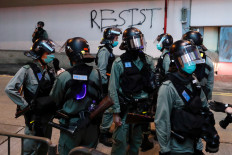
Hong Kong govt warns removing US special status is "double-edged sword"
Hong Kong's government warned Washington that withdrawing its special US status, which has underpinned the city as a global financial hub, could be a "double-edged sword" and urged the United States to stop interfering in internal affairs.
World 5 years ago
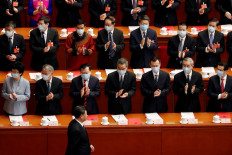
China parliament advances Hong Kong security law as US tensions rise
China's parliament on Thursday approved a decision to go forward with national security legislation for Hong Kong that democracy activists and Western countries fear could erode the city's freedoms and jeopardize its role as a global financial hub.