The Jakarta Post
Please Update your browser
Your browser is out of date, and may not be compatible with our website. A list of the most popular web browsers can be found below.
Just click on the icons to get to the download page.


Popular Reads
Top Results
No results found. Please check your search term and try again
Can't find what you're looking for?
View all search results
Popular Reads
Top Results
No results found. Please check your search term and try again
Can't find what you're looking for?
View all search resultsmarawi
Opinion 6 years ago
PREMIUM
Possible IS base in southern Philippines: New flashpoint?
Although the Islamic State (IS) group based in Marawi City, southern Philippines, was able to be destroyed by the Philippine military, the southern Philippines is providing a new center of conflict that could become a stepping stone for IS jihadists and militia groups to consolidate and continue to spread their ideology and develop the group’s global influence, as noted by researchers Zachary Abuza and Colin P. Clarke.

Opinion 6 years ago
Marawi: Liberation or occupation?
Oct. 17, 2017, was the day all aerial and ground bombings in 24 barangays of the Islamic City of Marawi came to a halt. For many Meranaos, that day may have put out the fires of the five-month war. But the battle for regaining their integrity and distinctive identity as Meranaos or the proud “people of the lake” — also started that day.
SE Asia 8 years ago
Teary-eyed, hundreds search through rubble in devastated Philippines city
Surrounded by the ruins of homes they fled nearly a year ago, many residents of war-torn Marawi City in the Philippines were in tears when they briefly returned this week and sifted through rubble to salvage any possessions they could find.

National 8 years ago
Densus 88 to coordinate with Philippines on arrested Indonesian terrorists
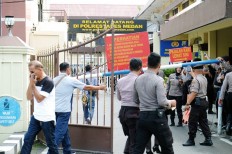
Representatives of the National Police’s Densus 88 counterterrorism squad are set to depart for the Philippines on Tuesday to coordinate with their counterparts at the Philippine National Police over Indonesians arrested for their alleged involvement with a Maute terrorist group in Marawi.

World 8 years ago
Marawi is now clear of terrorists: Authority
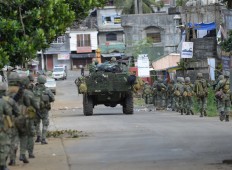
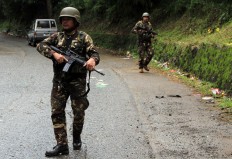
After months of clashes between IS foreign fighters and the Philippines military that had destroyed the last part of Marawi, the Southern Philippines area has reportedly been liberated from terrorism, as an official from the country said the last terrorist in the area had been killed.
Editor's Picks
Popular
- Not the Ministry of Magic
- PISA gains belie Indonesia’s persistent education crisis
- Safeguarding Indonesia's AI future
- Suahasil seen to prioritize fiscal discipline, continuity
- Recentralization concerns in fiscal, education heighten
- Hundreds of flights cancelled as Typhoon Dujuan nears Japan
- Twenty years on, BRICS faces a defining choice
- Jakarta water shortages worsen as dry season drags on
- Court decision tightens House oversight on free meals funding
- Indonesia doing 'everything' but struggling to curb fires


