The Jakarta Post
Please Update your browser
Your browser is out of date, and may not be compatible with our website. A list of the most popular web browsers can be found below.
Just click on the icons to get to the download page.


Popular Reads
Top Results
No results found. Please check your search term and try again
Can't find what you're looking for?
View all search results
Popular Reads
Top Results
No results found. Please check your search term and try again
Can't find what you're looking for?
View all search resultscontraceptives

Society 2 years ago
PREMIUM
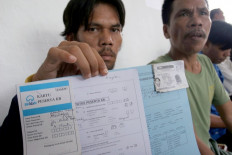
Government’s plan to distribute contraceptives to students draws mixed reactions
Some believe that the new regulation will help prevent teenage pregnancies, which bear serious health consequences for the mothers and baby. However, many have expressed concerns that it will instead promote extra-marital sex among students in the country.


National 5 years ago
PREMIUM
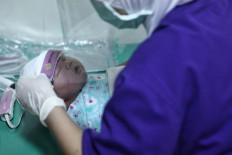
COVID-19 drives people away from contraceptives
Fewer people are using, or continuing to use contraceptives as health facilities have suspended some of their services and as people avoid them over fear of contracting the virus. The most widely used contraceptive methods -- pills and injections -- require acceptors to visit health facilities once every one or three months.



Opinion 6 years ago
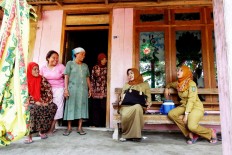
‘Negative COVID-19 but positive pregnancy’: Best to delay new baby
According to the National Population and Family Planning Board’s (BKKBN) latest figures, 28 million Indonesian couples receive contraception services. However, the board noticed a 20 to 30 percent decline in recipients from February to March, with variations among provinces.
Editor's Picks
Popular
- Much ado about asset forfeiture
- Mass poisonings cast doubt on free meals reforms
- Prabowo sacks Purbaya, turns to familiar hand at Finance Ministry
- Indonesia, China eye cooperation to boost 3 million homes program
- The benefit of the doubt has expired
- Children are no longer the priority, were they ever?
- Australian woman dies after falling from cliff at Bali’s Kelingking Beach
- Wildfire breaks out again at Mount Bromo
- Purbaya says he was 'upset', but half expected removal
- Ferry disaster renews scrutiny of vessel safety checks


