The Jakarta Post
Please Update your browser
Your browser is out of date, and may not be compatible with our website. A list of the most popular web browsers can be found below.
Just click on the icons to get to the download page.


Popular Reads
Top Results
No results found. Please check your search term and try again
Can't find what you're looking for?
View all search results
Popular Reads
Top Results
No results found. Please check your search term and try again
Can't find what you're looking for?
View all search resultsdiaspora

Academia 3 weeks ago
PREMIUM
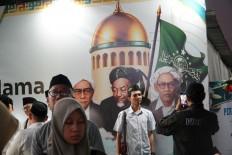
Watching the 35th NU congress from the diaspora
As Nahdlatul Ulama gathers for its 35th Muktamar, a former diaspora leader argues that safeguarding the organization’s future demands uncompromising independence from power, global literacy at the helm and a real voice for cadres abroad.



Academia 1 month ago
PREMIUM
Patriotism needs no permission
Amid the ongoing commotion regarding the draft law on citizenship, perhaps it is time to hearken back to the wisdom of Ibu Pertiwi, our national personification, in revising our policies so they welcome back all who claim Indonesian roots with open arms.

Academia 3 months ago
PREMIUM
Harnessing diaspora potential for sharia economy advancement
Indonesia is sitting on a trillion-dollar opportunity to turn its global diaspora into a powerhouse for the domestic sharia economy. By strategically leveraging knowledge, networks and Islamic financial instruments, the nation can transform this untapped potential into a definitive engine for long-term growth.

Society 4 months ago
PREMIUM
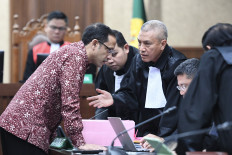
Nadiem case deters young Indonesians overseas from returning
The prosecution of former education minister Nadiem Makarim, an Ivy League graduate who left Indonesia’s first unicorn start-up Gojek, which he cofounded, to serve in government, is fueling unease among young Indonesians overseas who now question whether returning home is worth the risk.

Academia 5 months ago
PREMIUM
After 20 years, it is time to amend the Citizenship Law
Though the 2006 Citizenship Law was hailed as a landmark in its day, it needs amending to reflect the modern-day realities of 2026 so Indonesians of diaspora communities and mixed marriages can contribute to and serve their homeland, if they choose.
Editor's Picks
Popular
- Recentralization concerns in fiscal, education heighten
- Batam residents protest data centers amid water crisis
- Safeguarding Indonesia's AI future
- Twenty years on, BRICS faces a defining choice
- Crew member from missing Anak Krakatau boat identified
- Court decision tightens House oversight on free meals funding
- Popular discontent is justified. Authoritarianism is not the answer
- Gibran faces fresh challenge over eligibility as VP
- Indonesia puts peace, UN reform, Global South at center of UNGA agenda
- Govt under pressure as 3 million home drive hits cracks


