The Jakarta Post
Please Update your browser
Your browser is out of date, and may not be compatible with our website. A list of the most popular web browsers can be found below.
Just click on the icons to get to the download page.


Popular Reads
Top Results
No results found. Please check your search term and try again
Can't find what you're looking for?
View all search results
Popular Reads
Top Results
No results found. Please check your search term and try again
Can't find what you're looking for?
View all search resultsfishing-industry

Opinion 6 years ago
PREMIUM
Real-life tragedies of modern slavery at sea
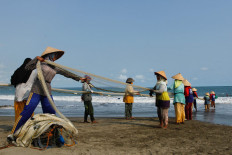
To celebrate International Human Rights Day, Greenpeace Southeast Asia is releasing a new report that sheds light on the different facets of deception and exploitation as told by migrant fishers from Indonesia and the Philippines — stories of backbreaking work in harsh working conditions that may very-well be called "modern slavery".
Opinion 6 years ago
PREMIUM
How satellites help foster sustainable fishing in Indonesia
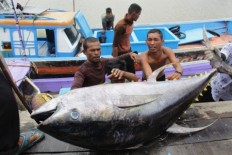
The Maritime Affairs and Fisheries Ministry recently concluded a three-year fisheries innovation project to support fishing communities in Indonesia. The project was a public-private partnership, which included Inmarsat, a key player in global, mobile satellite communications, and the United Kingdom Space Agency.
Opinion 7 years ago
PREMIUM
Fighting IUU to promote fish exports
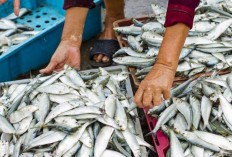
The international fish trade has been rapidly expanding over recent decades. This development plays a crucial role in supplying fish for human consumption, generating revenues and providing employment in the fisheries sector, particularly for developing countries.
Opinion 8 years ago
PREMIUM
Fish, feminists, fishy business and religious bias
At the bureaucratic level, women are not recognized as fisherwomen. On their identity cards (KTP), their occupation is stated as ibu rumah tangga (housewife), despite the fact that they contribute equally, if not more, to household income.

Business 9 years ago
Indonesia expects relocation of Japanese fish firms from Thailand
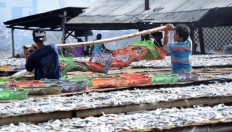
As a result of Indonesia's tough measures against illegal fishing, a number of Japanese fish-processing firms have expressed their commitment to relocating their factories from Thailand to Indonesia, Maritime Affairs and Fisheries Minister Susi Pudjiastuti said on Friday.
City 9 years ago
‘New industries’ to be built in Muara Angke
The Jakarta administration is planning to rejuvenate Muara Angke fishing village in North Jakarta by building a new port, fish-processing center and floating restaurant complex, as well as low-cost apartments soon after the port management is taken over from the Transportation Ministry.
Editor's Picks
Popular
- New islands appear after Anak Krakatau volcano erupts
- A ministry restored
- Prabowo resurrects advisory board
- Reshuffle shores up coalition support for 2029
- Whisky, big-screen TV seized from prison 'villas' in West Java
- Philippines arrests 244 foreign workers in online scam crackdown
- Sugarcane farmers query House over sugar imports
- Gibran’s fall, Prabowo’s power reconfiguration?
- Can young Indonesians still afford home?
- Indonesia pushes cooperation to outpace global scam networks


