The Jakarta Post
Please Update your browser
Your browser is out of date, and may not be compatible with our website. A list of the most popular web browsers can be found below.
Just click on the icons to get to the download page.


Popular Reads
Top Results
No results found. Please check your search term and try again
Can't find what you're looking for?
View all search results
Popular Reads
Top Results
No results found. Please check your search term and try again
Can't find what you're looking for?
View all search resultsfuel-subsidy


Companies 1 year ago
PREMIUM
Consumers flee to rival brands, fueled by Pertamina scandal
Customers are up in arms over the massive corruption scandal implicating Pertamina, with some turning to more expensive but quality-assured rival brands and others deliberately purchasing potentially doctored nonsubsidized fuel to ensure that taxpayer-funded subsidies reached their intended recipients.



Tech 1 year ago
PREMIUM
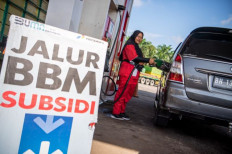
Planned fuel subsidy scheme faces backlash from ‘ojol’ drivers
Energy and Mineral Resources Minister Bahlil Lahadalia said on Nov. 27 that the government would only provide subsidized fuel to vehicles with yellow license plates, the plates used for public transportation and trucks.


Regulations 2 years ago
PREMIUM
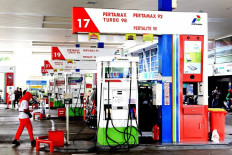
‘Cleaner’ fuel program to start on Sept. 1, but no restrictions yet
The government aims to bring down the sulfur content in fuels sold in the country to no more than 50 parts per million (ppm), from the current approximately 500 ppm for gasoline and up to 3,500 ppm for the lowest grade of diesel.
Editor's Picks
Popular
- Indonesia calls for more representative UN amid changing world order
- Safeguarding Indonesia's AI future
- Jakarta water shortages worsen as dry season drags on
- Recentralization concerns in fiscal, education heighten
- Twenty years on, BRICS faces a defining choice
- Indian arrested for smuggling gold bars to Thailand via N. Sumatra airport
- Court decision tightens House oversight on free meals funding
- Govt under pressure as 3 million home drive hits cracks
- Gontor leader’s blunt remarks highlight ‘pesantren’ political independence
- Popular discontent is justified. Authoritarianism is not the answer


