TheJakartaPost
Please Update your browser
Your browser is out of date, and may not be compatible with our website. A list of the most popular web browsers can be found below.
Just click on the icons to get to the download page.


Popular Reads
No popular reads data found
Top Results
No results found. Please check your search term and try again
Can't find what you're looking for?
View all search results
Popular Reads
No popular reads data found
Top Results
No results found. Please check your search term and try again
Can't find what you're looking for?
View all search resultshandwashing
National 5 years ago
PREMIUM
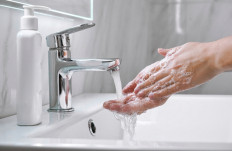
Handwashing saves lives but remains neglected
Washing hands with soap for at least 20 seconds is touted as one of the simplest everyday measures people can take to prevent COVID-19 infection. But nine months into the pandemic, many people are still reluctant to wash their hands in public.
Opinion 5 years ago
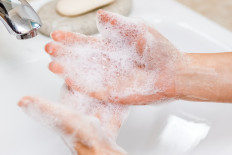
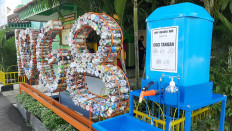
No one left behind: Handwashing saves lives
An elderly woman in Sumbawa regency said that, without the health worker who came to her house to explain about COVID-19 and teach her how to wash her hands correctly during critical times, she would not know that this behavior was important for her survival.
Health 5 years ago
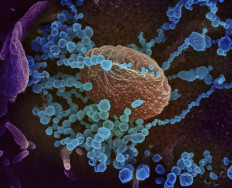
Novel coronavirus survives 28 days on glass, currency, Australian researchers find
The virus that causes COVID-19 can survive on banknotes, glass and stainless steel for up to 28 days, much longer than the flu virus, Australian researchers said on Monday, highlighting the need for cleaning and handwashing to combat the virus.
Opinion 5 years ago
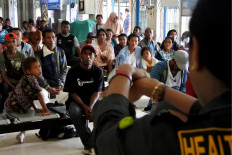
Handwashing and improved hygiene a silver lining in the dark cloud of COVID-19
While it’s still too soon to declare victory, public health experts and policy makers should look to capitalize on the significant shift in handwashing habits, from the most densely populated cities to remote villages.

Health 6 years ago
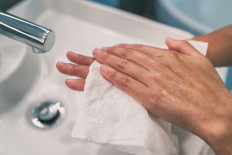
Paper towels may remove virus missed by poor hand washing: Study
People should dry their hands with paper towels to avoid spreading the new coronavirus, according to the authors of a study published on Friday that finds disposable tissues are better than jet dryers at removing pathogens missed by ineffective washing.