The Jakarta Post
Please Update your browser
Your browser is out of date, and may not be compatible with our website. A list of the most popular web browsers can be found below.
Just click on the icons to get to the download page.


Popular Reads
Top Results
No results found. Please check your search term and try again
Can't find what you're looking for?
View all search results
Popular Reads
Top Results
No results found. Please check your search term and try again
Can't find what you're looking for?
View all search resultsindustry




Companies 1 month ago
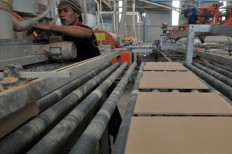
GIFA Indonesia and METEC Indonesia return to strengthen downstream industry development
As Indonesia expands its metal and aluminum capacity, GIFA and METEC Indonesia are positioning themselves as platforms to accelerate downstream processing, improve efficiency and strengthen the country’s industrial value chain.


Editor's Picks
Popular
- Pressure intensifies on Indonesia as regional haze worsens
- Flawed candidacy, untouchable office
- Govt to classify online ride-hailing services as public transportation under new bill
- Fires and cross-border haze: What can still be done
- Beyond bribery: Rethinking how Indonesia understands corruption
- Bezzecchi wins Indonesian MotoGP
- Consumer sentiment, retail sales weaken amid cautious spending
- Student assaulted at Prabowo’s People’s School in C. Java
- Free meals causes food poisoning in Medan with 6 pupils hospitalized
- Frequent turnover of govt spokespersons reflects uncertainty over direction


