The Jakarta Post
Please Update your browser
Your browser is out of date, and may not be compatible with our website. A list of the most popular web browsers can be found below.
Just click on the icons to get to the download page.


Popular Reads
Top Results
No results found. Please check your search term and try again
Can't find what you're looking for?
View all search results
Popular Reads
Top Results
No results found. Please check your search term and try again
Can't find what you're looking for?
View all search resultsmangrove

Archipelago 11 months ago
PREMIUM
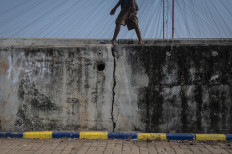
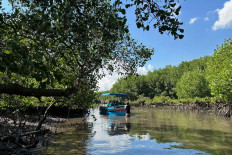
Bali shuts down Russian-owned factory built on protected mangrove land
Supartha said the inspection was carried out by the special task force on Wednesday in response to the deadly flash floods that struck Bali last week, claiming at least 18 lives and leaving four people missing.


Jakarta 1 year ago
PREMIUM
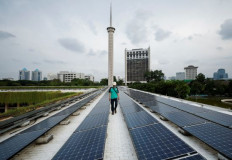
Jakarta backs Prabowo’s seawall project despite environmental concerns
Despite criticism from environmentalists and apparent conflict with Governor Pramono Anung’s conservation pledge, the Jakarta administration has committed to supporting President Prabowo’s ambitious seawall megaproject along the city’s northern coast following the President’s request last week.
Editor's Picks
Popular
- Much ado about asset forfeiture
- Mass poisonings cast doubt on free meals reforms
- Purbaya ousted after clash with Prabowo's ex-army colleague, sources say
- Children are no longer the priority, were they ever?
- Indonesia, China eye cooperation to boost 3 million homes program
- El Niño chokes Indonesia’s coal exports as rivers run shallow
- Suahasil seen to prioritize fiscal discipline, continuity
- Not the Ministry of Magic
- Feeding, not poisoning
- Sumatran elephants run out of room as fires spread


