TheJakartaPost
Please Update your browser
Your browser is out of date, and may not be compatible with our website. A list of the most popular web browsers can be found below.
Just click on the icons to get to the download page.


Popular Reads
No popular reads data found
Top Results
No results found. Please check your search term and try again
Can't find what you're looking for?
View all search results
Popular Reads
No popular reads data found
Top Results
No results found. Please check your search term and try again
Can't find what you're looking for?
View all search resultsnickel
Academia 11 months ago
PREMIUM
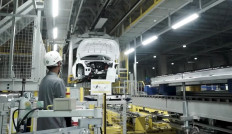
The nickel dilemma: A false binary between geopolitical power and a just transition
To promote the nickel-based EV battery industry Indonesia needs to cut bureaucratic layers and channel commitment into action, investing in innovation, building capacity and ensuring readiness for the future.

Academia 1 year ago
PREMIUM
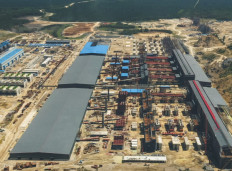
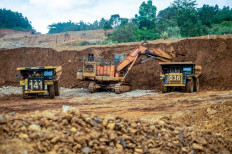
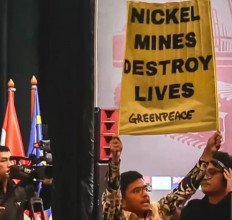
Sodium batteries: The second chance we shouldn’t miss
The government's tunnel vision as regards our vast nickel reserves vis-à-vis the country's EV ecosystem development is blinding it to an equally efficient, effective and more eco-friendly energy alternative that is beginning to gain global ground: sodium-ion batteries.


Society 1 year ago
PREMIUM
The long, suspenseful journey to Indonesia's nickel 'paradise'
The Jakarta Post's recent trip to Raja Ampat late last month revealed the complex currents rippling and colliding beneath the mining versus tourism issue, conflated by environmental and indigenous concerns surrounding the global marine haven in the country's far-flung, easternmost region.