TheJakartaPost
Please Update your browser
Your browser is out of date, and may not be compatible with our website. A list of the most popular web browsers can be found below.
Just click on the icons to get to the download page.


Popular Reads
No popular reads data found
Top Results
No results found. Please check your search term and try again
Can't find what you're looking for?
View all search results
Popular Reads
No popular reads data found
Top Results
No results found. Please check your search term and try again
Can't find what you're looking for?
View all search resultsnickel
Regulations 9 months ago
PREMIUM
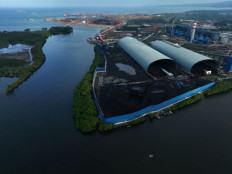
Govt hails WTO ruling for Indonesia in steel dispute with EU
In its ruling published on Oct. 2, the WTO has ruled in favor of Indonesia in its stainless steel dispute with the EU after finding that Brussels's countervailing measures were inconsistent with the trade body's SCM Agreement.
Archipelago 9 months ago
PREMIUM
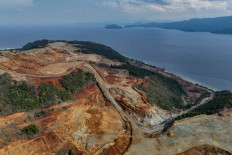
Unchecked nickel mining fuels environmental, social crises
A new report has once again highlighted the heavy toll of Indonesia’s nickel industry, where decades of poorly regulated extraction have scarred landscapes, choked coral reefs and eroded local livelihoods, while companies face little accountability.
Archipelago 9 months ago
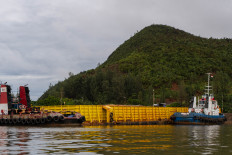
Nickel mining continues to damage Raja Ampat, NGOs warn
Analysis of recent and historic mining in the region showed a "domino effect of destruction," ranging from deforestation on land to sediment run-off smothering coral reefs, the report by NGOs Auriga Nusantara and Earth Insight said.
Archipelago 9 months ago
Nickel mining threatens Indonesia coral haven, NGOs warn
Analysis of recent and historic mining in the region showed a "domino effect of destruction," ranging from deforestation on land to sediment run-off smothering coral reefs, the report by NGOs Auriga Nusantara and Earth Insight said.
Archipelago 10 months ago
PREMIUM
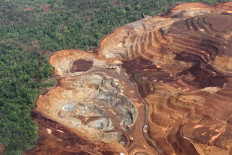
Govt vows stricter oversight as Gag Nikel restarts Raja Ampat mine
The company at the center of the controversial mining activities in Raja Ampat had resumed operations on Sept. 3, the environment minister revealed on Sunday, promising to increase the frequency of assessments from six months to two months to accommodate any necessary mitigation measures.
Companies 10 months ago
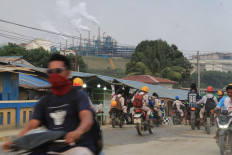
Norway sovereign wealth fund drops Eramet over environmental fears in Indonesia
Managed by the country's central bank Norges Bank and fueled by its vast energy revenues, the fund is the world's biggest, with a value of nearly $2 trillion and investments in more than 8,600 companies across the globe.
Academia 10 months ago
PREMIUM
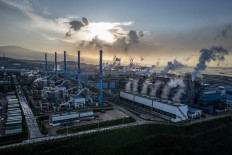
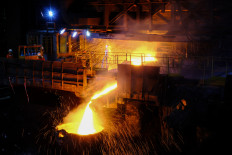
Global securitization of rare earths: A descent into geopolitical turmoil
The global race for critical minerals like rare earth elements has descended into a geopolitical struggle, where these once-obscure resources now loom as existential threats to national survival.
Regulations 10 months ago
PREMIUM
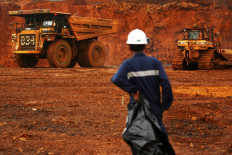
New pricing rule offers miners little relief from profit pinch
Industry experts have bemoaned the latest rule on coal and mineral sales, which maintains the government-set benchmark prices for calculating royalties and taxes despite allowing more pricing flexibility, burdening miners with a widening gap between sales prices and royalties as global rates fall.