The Jakarta Post
Please Update your browser
Your browser is out of date, and may not be compatible with our website. A list of the most popular web browsers can be found below.
Just click on the icons to get to the download page.


Popular Reads
Top Results
No results found. Please check your search term and try again
Can't find what you're looking for?
View all search results
Popular Reads
Top Results
No results found. Please check your search term and try again
Can't find what you're looking for?
View all search resultsquarantine



Academia 2 years ago
PREMIUM
From COVID-19 to mpox: Southeast Asia shows resilience amid health threats
Southeast Asia’s key economies — Singapore, Malaysia, and Indonesia — can draw valuable lessons from the COVID-19 pandemic to enhance Southeast Asia's strategies for managing mpox and ensuring socioeconomic resilience through robust cooperation.
Asia & Pacific 3 years ago
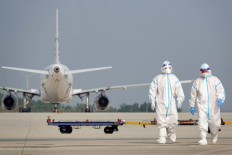
Chinese jubilant, plan trips abroad as inbound Covid quarantine set to end
In a snap move late Monday, China said from January 8 inbound travellers would no longer be required to quarantine upon arrival, in a further unwinding of hardline COVID-19 controls that had torpedoed its economy and sparked nationwide protests.

Asia & Pacific 3 years ago
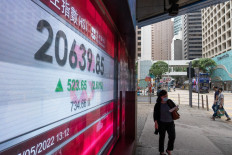
Hong Kong prepares for surge in travel after COVID curbs ease
The curbs were lifted for the first time in more than 2-1/2 years after the city's leader, John Lee, said last week that such arrivals could return home or seek accommodation of their choice, but had to self-monitor for three days on entry.

Asia & Pacific 3 years ago
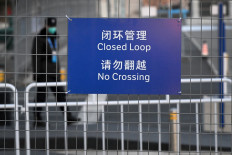
China plans easier border entry rules for some foreign tourists
Travel groups organised by tour agencies in border areas in China can choose their port of entry and exit "flexibly", the Ministry of Culture and Tourism said in a statement on Monday, without giving specifics on locations and dates.

Asia & Pacific 4 years ago
Japan to shorten COVID-19 isolation to 7 from 10 days
By shortening the recuperating period, counted from the day the person developed symptoms of the disease, the country seeks to allow people to return to work more quickly to mitigate the impact on socioeconomic activities from the coronavirus pandemic.
Editor's Picks
Popular
- Much ado about asset forfeiture
- Mass poisonings cast doubt on free meals reforms
- New data rules could unlock cross-border data flows
- The benefit of the doubt has expired
- Children are no longer the priority, were they ever?
- Rescuers searching for 140 people from passenger ship in Java Sea
- SOE dividend grab tests Danantara’s mandate
- Three more volcanoes erupt following Sinabung, Anak Krakatau
- BRICS nations call for 'maximum restraint' in Middle East war
- Six killed, 129 missing after ferry capsizes off Java


