The Jakarta Post
Please Update your browser
Your browser is out of date, and may not be compatible with our website. A list of the most popular web browsers can be found below.
Just click on the icons to get to the download page.


Popular Reads
Top Results
No results found. Please check your search term and try again
Can't find what you're looking for?
View all search results
Popular Reads
Top Results
No results found. Please check your search term and try again
Can't find what you're looking for?
View all search resultsracism-in-indonesia
Opinion 6 years ago
PREMIUM
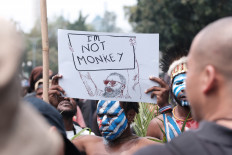
Racism: My experience as doctor in Papua
Many people do not know and do not care about the lives of people in eastern Indonesia. All they know is that dark-skinned people who are also part of the Unitary State of the Republic of Indonesia (NKRI) live there. How they live is not relevant.
World 6 years ago
Indonesian pastor speaks out against racism in US, experiences backlash at home
An Indonesian pastor based in the United States has caused a stir on social media because of a speech he made during a recent Black Lives Matter protest that referenced Indonesia’s history of discrimination.
National 6 years ago
UI disavows #PapuanLivesMatter discussion organized by student body
Held on Saturday and titled #PapuanLivesMatter: Racism in the Legal System in Papua, the discussion largely revolved around the prosecution of seven Papuan activists charged with treason for their involvement in antiracism protests in Jayapura, Papua, in August 2019.
National 6 years ago
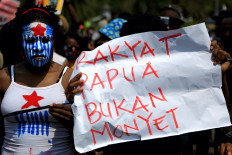
‘#PapuanLivesMatter’: George Floyd’s death hits close to home in Indonesia
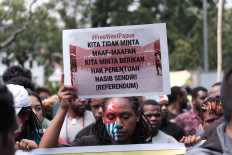
The hashtag #BlackLivesMatter has been adapted into #PapuanLivesMatter, with many turning to social media to urge Indonesians to also speak up against the racial discrimination and violence that Papuans have long endured.
National 6 years ago
Internet ban during Papua antiracist unrest ruled unlawful
The Jakarta State Administrative Court (PTUN) ruled on Wednesday that it was unlawful for the government to shut down the internet in Papua and West Papua during heightened security tensions caused by antiracism protests in the two provinces last year.

Opinion 6 years ago
Elites must learn from soccer fans about racism
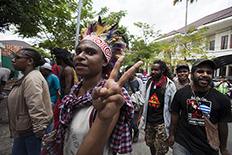
Why are Indonesian soccer supporters not known for racism? The answer is simply because they respect Papuan players big time. Soccer-wise, Indonesia has always depended on extraordinary talents from Papua. The fans never dare to despise or belittle their abilities and roles in the national team all these years. They will never doubt the huge contribution Boaz has ever given to this country. During international events, having Papuans in the team has always brought both pride and relief.
Opinion 6 years ago
PREMIUM
Beauty standards show racism runs deep
As riots and protests against racism toward “black” university students in Surabaya raged across the country from August to September, it was difficult to ignore the fact that racism in general has had a comfortable place in Indonesian society. The issue of racism in the country is more deep-rooted than one might think.
Editorial 6 years ago
We’re all migrants
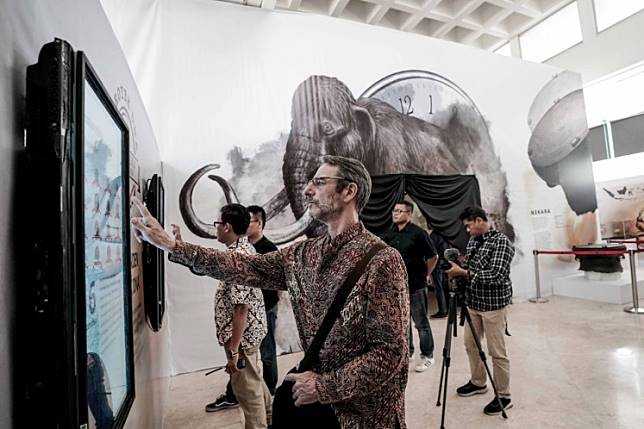
The research, made more popular by the exhibition, of course, confirms that our prejudices, and worse racism, against those who look “different”, is downright stupid, toxic and even fatal as reflected by too many assaults on minorities. No one is pribumi (native) as we are all clearly migrants to a greater or lesser extent.
Editor's Picks
Popular
- Not the Ministry of Magic
- PISA gains belie Indonesia’s persistent education crisis
- Safeguarding Indonesia's AI future
- Suahasil seen to prioritize fiscal discipline, continuity
- Hundreds of flights cancelled as Typhoon Dujuan nears Japan
- Twenty years on, BRICS faces a defining choice
- Recentralization concerns in fiscal, education heighten
- Indonesia doing 'everything' but struggling to curb fires
- Indonesia prepares for new era of naval power
- Prabowo’s latest swipe at experts draws backlash


