Can't find what you're looking for?
View all search resultsCan't find what you're looking for?
View all search resultsPerpadi and expert observers point out that many rice millers have been unable to sustain operations as their margins narrowed due to delayed interventions and sweeping crackdownsm compounded by the State Logistics Agency (Bulog) continuing to stockpile grain at higher prices.

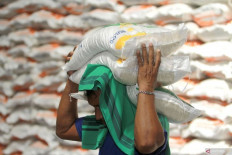
Record-high yields in the first four months of the year has helped expand the national rice reserve from 1.7 million to 3.5 million tonnes, inadvertently leading to a shortage of storage facilities but also creating an export opportunity.
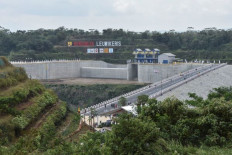
Budget cuts led to a reduction in new irrigation networks planned to be built this year, from 10,000 hectares to 450 ha, as well as cuts in irrigation network rehabilitation from 45,000 ha to 16,000 ha and dam constructions from 16 new dams to only one dam this year.
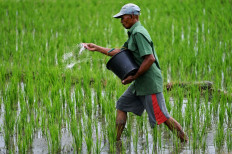
According to the World Bank's projection, the country's rice production could fall 0.72 percent in the next 10 years due to warming temperatures, pointing to a greater need for targeted measures to keep the staple food affordable.
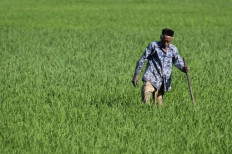
Indonesians are eating too much rice to the point that nationwide production keeps falling short of demand. Many have proposed a diversification of local dietary habits, but rice consumption is deeply rooted in Indonesian culture, and switching to alternatives alone would not address structural problems in domestic farming.
Share your experiences, suggestions, and any issues you've encountered on The Jakarta Post. We're here to listen.
Thank you for sharing your thoughts. We appreciate your feedback.